US Considers Arming Iranian Kurds, Raising Stakes in Escalating Iran Conflict
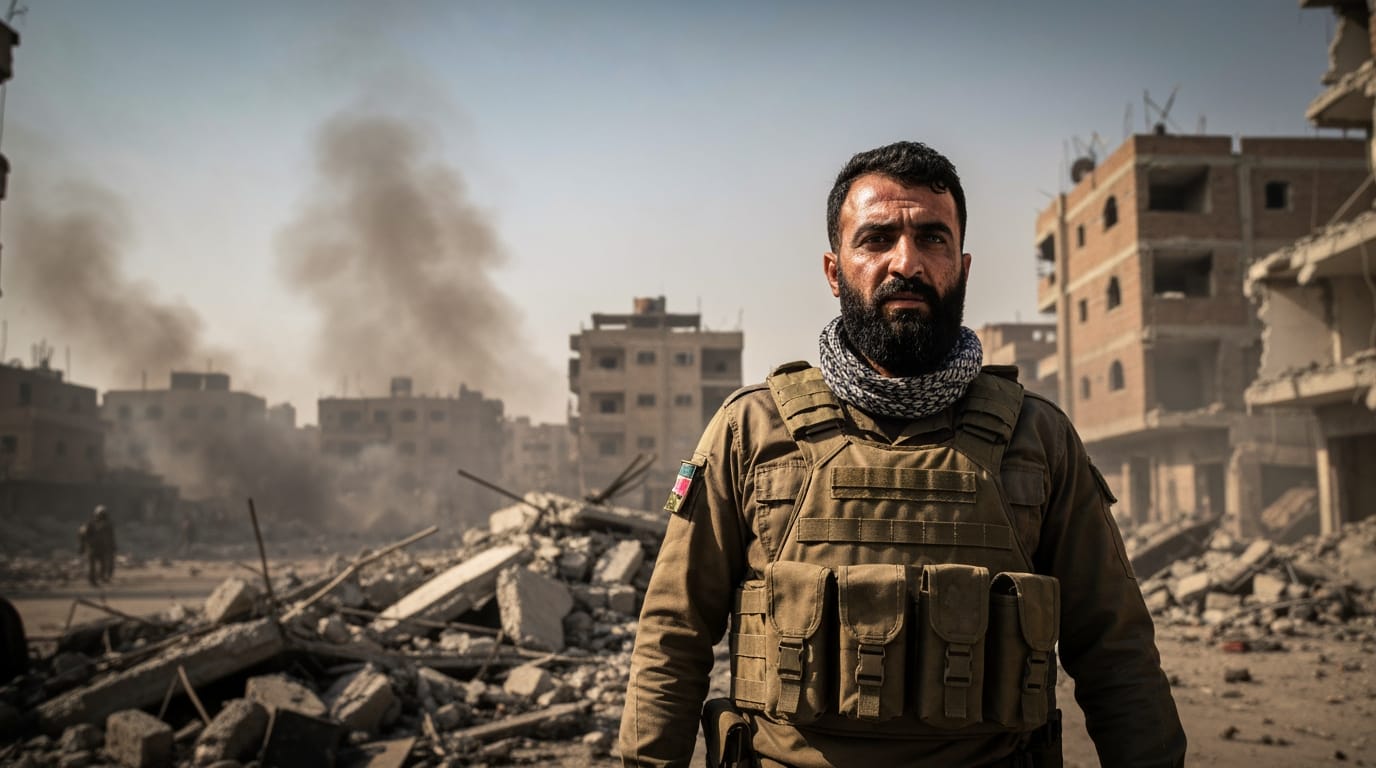
Erbil, Iraqi Kurdistan – In a significant geopolitical development, the United States is reportedly exploring options to arm and support Iranian Kurdish opposition groups, potentially opening a new front in the rapidly expanding conflict with Iran. This strategic pivot, aimed at escalating pressure on the Tehran regime and fostering internal unrest, comes amid ongoing US-Israeli military strikes and has ignited a contentious debate over the risks and implications for regional stability and the future of the Kurdish people.
The notion of the US backing Kurdish forces inside Iran resonates with a long and often fraught history of American engagement with Kurdish communities across the Middle East. While the Trump administration emphasizes a desire to avoid traditional "boots on the ground" in Iran, the prospect of empowering local proxies represents a calculated, yet risky, evolution of its regional strategy.
A History of Complex Alliances and Costly Abandonment
The relationship between the United States and various Kurdish factions has been characterized by intermittent support often followed by perceived abandonment, leaving a legacy of deep-seated caution among Kurds. Throughout the 20th century, US involvement with Kurdish aspirations for self-determination has primarily served broader American objectives, sometimes to the detriment of Kurdish interests.
Notable instances include US proxy support for Iraqi Kurds between 1969 and 1975, which was abruptly withdrawn following the Algiers Accords, leading to severe repression by Iraqi forces. Decades later, following the 1991 Gulf War, the US imposed a no-fly zone in northern Iraq, inadvertently fostering a semi-autonomous Kurdish region. More recently, Kurdish forces were instrumental partners for the US in the fight against the Islamic State in Iraq and Syria, only to see American support for the Syrian Democratic Forces curtailed as geopolitical priorities shifted. This pattern of engagement and subsequent withdrawal has ingrained a narrative among Kurds of being "used and abandoned," making any new alliance with Washington a significant gamble.
The Unifying Front of Iranian Kurdish Opposition
Within Iran, a substantial Kurdish minority, estimated at around 10 million people across five western provinces, has long faced systemic marginalization and suppression from Tehran. Numerous Iranian Kurdish opposition groups have operated from bases in neighboring Iraqi Kurdistan for decades, waging a low-level insurgency against the Iranian regime. These groups, including the Democratic Party of Iranian Kurdistan (PDKI), the Kurdistan Free Life Party (PJAK), the Kurdistan Freedom Party (PAK), Komala, and the Khabat Organization, have consistently sought greater rights, autonomy, or even secession from the Islamic Republic.
In a potentially pivotal development, five of these prominent Iranian Kurdish opposition groups announced the formation of the "Coalition of Political Forces of Iranian Kurdistan" (CPFIK) on February 22, 2026. This new alliance aims to unify their efforts, increase political and field coordination, and pursue a joint struggle for democracy, justice, and the national rights of the Kurdish people within Iran, with the ultimate stated goal of overthrowing the Islamic Republic. This newfound unity among historically disparate groups presents a more cohesive potential partner for external forces.
The Trump Administration's Strategic Gambit
The discussions between the Trump administration and Iranian Kurdish leaders signal a potential shift in the US approach to Iran, moving beyond direct military strikes to fostering internal dissent. Following the recent US-Israeli "Operation Epic Fury," which has targeted Iranian military infrastructure and reportedly resulted in the death of Supreme Leader Ali Khamenei, President Trump has openly called for "new leadership" in Tehran and encouraged the Iranian people to "take over their government."
Reports indicate that President Trump has directly engaged with both Iranian Kurdish opposition leaders, such as Mustafa Hijri of the PDKI, and influential Iraqi Kurdish figures like Masoud Barzani and Bafel Talabani. During these discussions, the president reportedly offered "extensive U.S. aircover" and other backing for anti-regime Iranian Kurds to potentially seize control of parts of western Iran. While the White House has maintained that direct US ground troops are not part of the current plan for Iran, it has deliberately kept all options open, implicitly endorsing the use of proxy forces. The CIA is reportedly exploring options to arm these Kurdish forces with the aim of triggering a broader popular uprising. This strategy aligns with what some observers are calling the "Trump Doctrine," seeking to achieve foreign policy objectives without committing large numbers of American ground troops.
Perilous Path: Implications and Challenges
The prospect of US-backed Kurdish forces engaging in a ground offensive inside Iran carries immense and complex implications. For the Iranian Kurdish groups, while the opportunity to advance their long-held aspirations for rights and self-determination is significant, the risks are equally profound. The historical pattern of US abandonment looms large, with concerns that Kurds could once again be left vulnerable to severe retaliation from Tehran if external support wanes. Critics warn that Kurdish groups risk becoming a mere "tool" in a larger geopolitical struggle rather than a truly empowered partner.
Regionally, such a move could ignite further instability. Iran has consistently viewed Iranian Kurdish groups based in Iraq as "separatist" threats and has responded with missile and drone strikes on their bases. Any ground offensive originating from Iraqi Kurdistan would likely provoke intensified Iranian retaliation, potentially drawing the Kurdistan Regional Government (KRG) deeper into the conflict and straining its delicate relationships with both Baghdad and Tehran. Furthermore, Turkey, which has its own long-standing conflict with Kurdish militant groups, particularly those affiliated with the Kurdistan Workers' Party (PKK) like PJAK, would likely view US support for Iranian Kurds with deep suspicion and concern, potentially complicating NATO relations.
Internally, the strategy of empowering Kurdish groups carries the risk of unintended consequences. While the US aims to spark a popular uprising, there are concerns that framing the conflict through an ethnic lens could alienate other segments of Iranian society and inadvertently rally support around the existing regime against perceived foreign-backed "separatist" movements. Analysts note that Iranian Kurdish forces, while historically active, are limited in number and may struggle to gain broader support in non-Kurdish regions of Iran, questioning their capacity to mount a successful armed resistance leading to regime change without extensive and sustained external backing.
An Uncertain Future
As US-Israeli military operations continue to impact Iran, the question of whether Iranian Kurdish forces will become Washington's "boots on the ground" remains highly fluid. While some Kurdish leaders express readiness for action, they acknowledge the need for sustained US and Israeli efforts to further weaken the regime before any major cross-border movement. The administration's clear objectives for its military campaign in Iran include dismantling military capabilities and preventing nuclear proliferation. However, the exact role and extent of support for internal opposition groups remain less defined, raising questions about the long-term commitment and strategic framework for such a partnership.
The coming weeks will likely reveal the true scope of this evolving strategy and its profound consequences for the Iranian people, the Kurdish communities, and the broader Middle East. The delicate balance between empowering local partners and avoiding regional destabilization will be a critical test for US foreign policy.


