US Deepens Ties With India Amidst Shifting Global Order
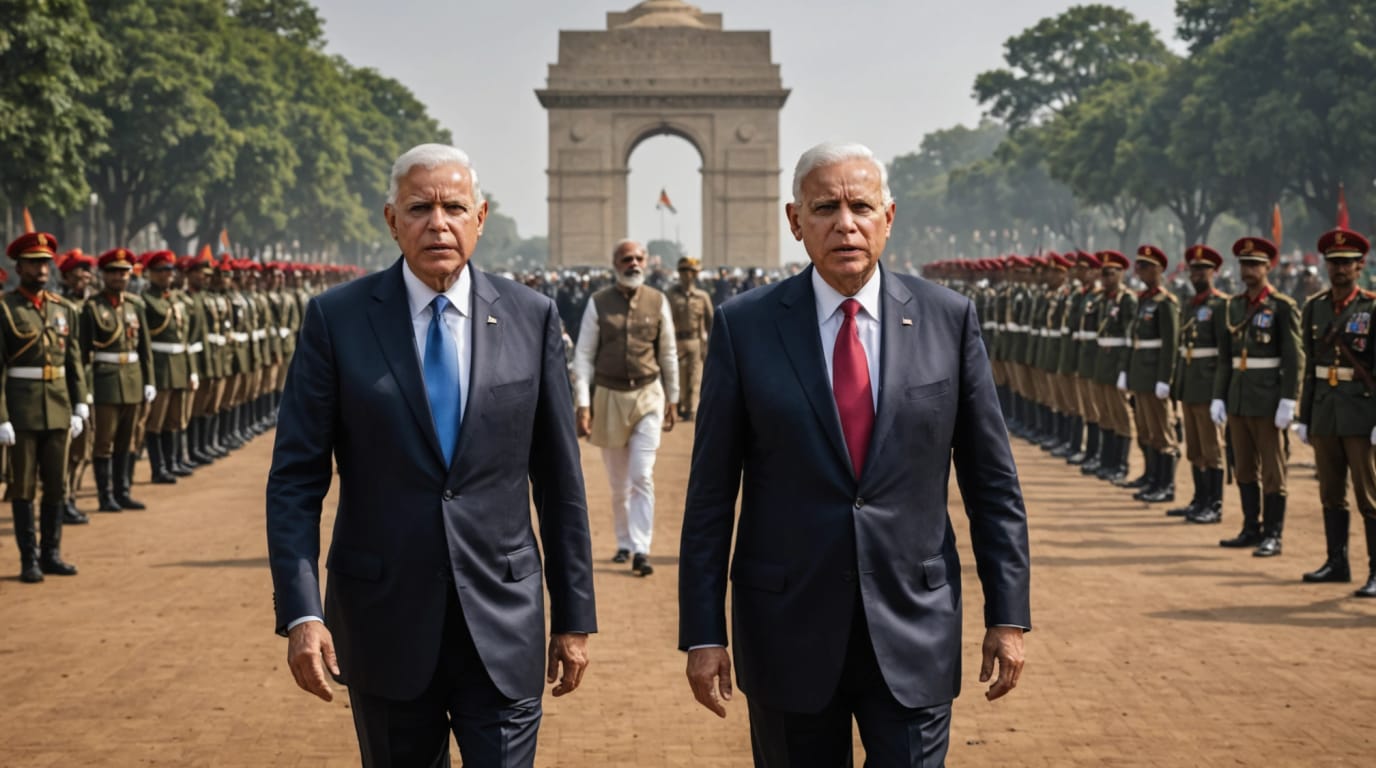
WASHINGTON - The United States is actively strengthening its strategic partnership with India as global alliances undergo significant transformations. This move reflects a mutual interest in bolstering economic growth, enhancing defense capabilities, and addressing evolving geopolitical challenges, particularly in the Indo-Pacific region. Recent developments signal a deepening commitment between the two nations, impacting various sectors from defense and technology to trade and energy.
Military Cooperation Takes Center Stage
A key aspect of the strengthened U.S.-India relationship is the increased military cooperation. The U.S. is positioning itself as a critical defense partner for India, with a focus on expanding military sales and technology transfers. This includes potential deals involving advanced military hardware like F-35 stealth fighters and MQ-9B combat intelligence, surveillance, and reconnaissance drones. This strategic alignment aims to counter growing geopolitical tensions, especially concerning China's increasing influence in the Indo-Pacific. Defense contractors such as Lockheed Martin and Boeing are poised to benefit from this enhanced cooperation, potentially seeing increased sales and joint ventures with Indian defense contractors. The long-term nature of India's defense needs suggests a sustained and beneficial relationship for these companies.
Economic Ties and Trade Vision
Beyond defense, economic cooperation is a vital component of the U.S.-India partnership. Both countries are focused on fostering a stronger economic link through trade and investment. Discussions have included reducing tariffs and setting ambitious goals to increase bilateral trade. India aims to double bilateral trade to $500 billion, signaling a commitment to closer economic ties. Areas of potential growth include technology and cybersecurity, with opportunities for cloud providers, data security firms, and cybersecurity solution providers. The emphasis on digital infrastructure and interconnectedness creates a favorable environment for these sectors.
The "Make in India" Initiative and Private Sector Growth
India's "Make in India" initiative, championed by Prime Minister Narendra Modi, is a significant driver of the country's evolving defense landscape. This initiative aims to boost indigenous defense production and reduce reliance on foreign suppliers. It combines a realistic assessment of external threats with the need for domestic innovation. The initiative encourages co-production arrangements with foreign companies, fostering growth in the private sector. This shift aligns with the U.S. view of global security, which emphasizes alliances that respect international laws and norms.
Geopolitical Implications and Regional Security
The strengthening U.S.-India partnership has broader geopolitical implications, particularly in the context of regional security. With growing concerns about China's assertiveness in the Indo-Pacific, the U.S. and India share a common interest in maintaining stability and a balance of power. The U.S. sees India as a key player in countering China's influence and promoting a rules-based international order. This strategic alignment is evident in the increasing cooperation within the Quad alliance, which includes the United States, India, Japan, and Australia. Furthermore, a closer relationship with India could influence the security dynamics of South Asia, potentially isolating Pakistan and reshaping regional power balances.
Energy Security and Climate Policy
Energy security and climate policy are also emerging as important areas of cooperation between the U.S. and India. The U.S. is becoming a primary provider of liquefied natural gas (LNG) and crude oil to India, contributing to India's diversification of energy sources. There are also opportunities for collaboration in areas such as small modular nuclear reactors. These efforts align with India's growing energy demands and its commitment to sustainable development.
Looking Ahead
The U.S.-India partnership is expected to deepen further, with continued collaboration in defense, trade, technology, and energy. The long-term implications of this partnership are significant, offering opportunities for growth and investment across various sectors. As the two nations work together to address shared challenges and promote common interests, the U.S.-India relationship is poised to play an increasingly important role in shaping the global landscape. The mutual benefits derived from this partnership, ranging from economic prosperity to enhanced security, underscore its strategic importance in a rapidly changing world.


