US Envoy Heads to Moscow for Critical Ukraine Truce Talks
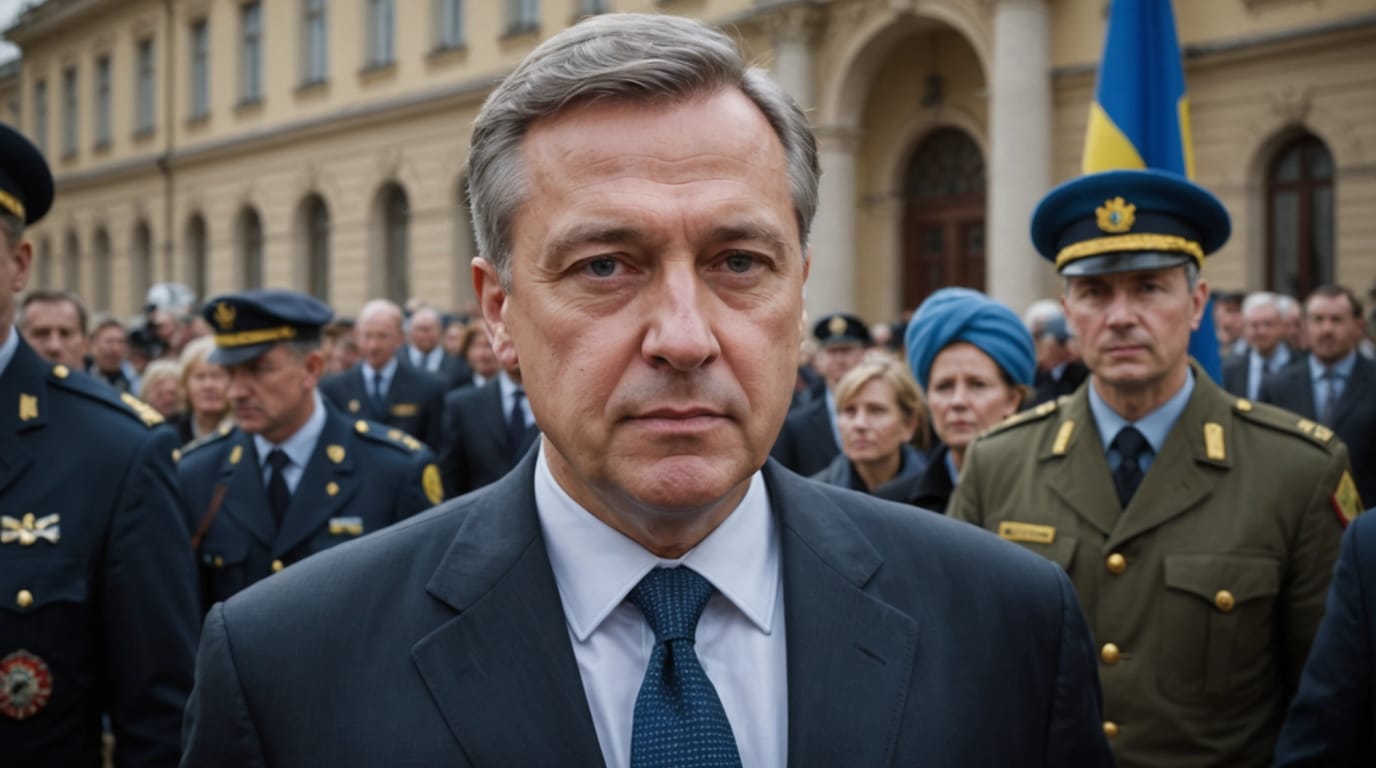
In a significant diplomatic push, a U.S. delegation led by special envoy Steve Witkoff is en route to Moscow to engage in crucial discussions aimed at securing a ceasefire in the ongoing conflict in Ukraine. The move comes after Ukraine agreed to a U.S.-backed proposal for a 30-day truce, leaving the ball in Russia's court to de-escalate the three-year-old war.
Witkoff's Mission: Bridging the Divide
Steve Witkoff, officially the U.S. special envoy to the Middle East, has been increasingly involved in efforts to resolve the conflict in Ukraine. His selection for this mission underscores the Trump administration's commitment to finding a peaceful resolution, even as skepticism remains about Russia's willingness to cooperate. Witkoff's prior success in securing the release of an American prisoner from Russia in February may have fostered a rapport with President Vladimir Putin, potentially facilitating constructive dialogue.
Ceasefire Proposal: A Glimmer of Hope
The U.S.-backed ceasefire proposal aims to halt hostilities for 30 days, providing an opportunity for further negotiations toward a lasting peace agreement. While the specific details of the proposal remain undisclosed, it represents a potential breakthrough after years of conflict. Ukrainian President Volodymyr Zelenskyy has expressed cautious optimism, emphasizing the need for "strong steps" from the U.S. if Russia rejects the truce.
Russia's Stance: Awaiting Clarification
The Kremlin has acknowledged the ceasefire proposal and stated that it is awaiting further details from Washington. Foreign Ministry spokeswoman Maria Zakharova indicated Russia's readiness to discuss the initiative, with potential contacts scheduled for Thursday. However, it remains unclear what conditions Russia might attach to its acceptance of the truce. Some reports suggest that Russian and American officials have engaged in discussions regarding Moscow's terms for ending the war in recent weeks, but the specifics remain elusive.
Trump's Dual Approach: Diplomacy and Deterrence
President Trump has adopted a two-pronged approach to the situation, combining diplomatic efforts with the threat of economic sanctions. While emphasizing his preference for a negotiated settlement, Trump has warned of "devastating" financial penalties if Russia refuses to cooperate. This strategy reflects a delicate balancing act between incentivizing Russia to engage in constructive dialogue and deterring further aggression. Trump's recent decision to resume military aid to Kyiv, following a brief suspension, further underscores the U.S.'s commitment to supporting Ukraine's security.
Kursk Region: A Contested Territory
Adding complexity to the situation, Russian President Vladimir Putin has ordered his troops to expel Ukrainian forces from the Kursk border region as swiftly as possible. In August 2024, Ukraine launched an offensive and seized a portion of the Kursk Oblast, a Russian region bordering Ukraine. While this territorial gain initially boosted morale in Ukraine, Russian forces have since launched a counterattack, reclaiming territory and capturing Ukrainian soldiers. Putin's demand for the complete liberation of the Kursk region underscores the challenges in reaching a mutually acceptable ceasefire agreement. He has also stated that captured Ukrainian fighters will be treated as terrorists.
Security Guarantees: A Point of Contention
One potential sticking point in the negotiations revolves around security guarantees for Ukraine. While a joint statement issued after recent talks between U.S. and Ukrainian officials omitted any explicit commitment from the U.S. to intervene if Russia violates the ceasefire, President Zelenskyy has indicated that these guarantees were discussed and will be addressed in greater detail if the truce is implemented. Securing credible security assurances will be crucial to ensuring the long-term stability of any ceasefire agreement.
Implications and Uncertainties
The outcome of the upcoming talks in Moscow remains uncertain. While the U.S.-backed ceasefire proposal offers a glimmer of hope for de-escalation, significant obstacles remain. Russia's willingness to compromise, the details of security guarantees, and the situation in the Kursk region all pose potential challenges. The success of Witkoff's mission will depend on his ability to bridge the divide between the two sides and forge a path toward a peaceful resolution. The international community is watching closely, as the future of Ukraine and the broader geopolitical landscape hang in the balance.


