US Exits $9.3 Billion Climate Deal, Leaving Developing Nations in the Lurch
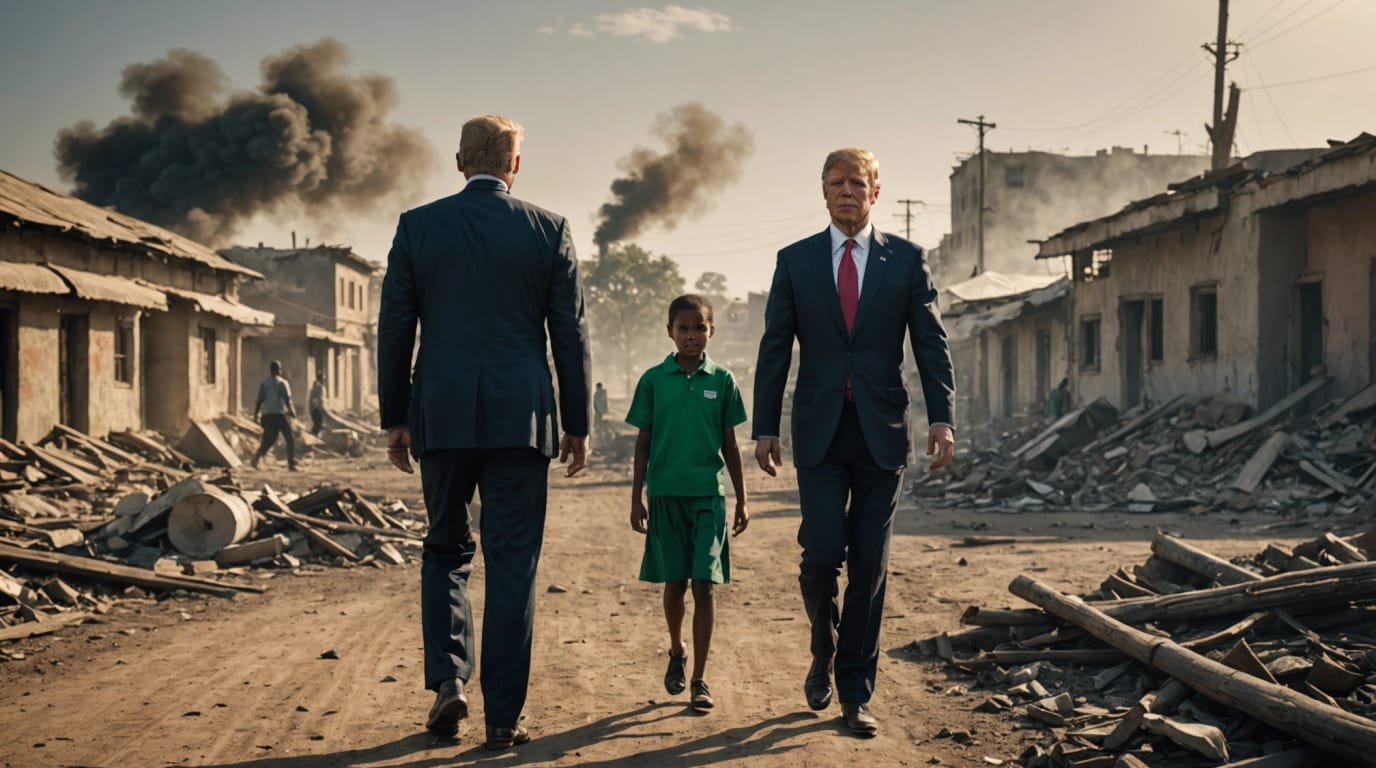
In a move that has sparked international concern, the United States has withdrawn from a $9.3 billion climate finance agreement aimed at assisting developing nations in their transition from coal to cleaner energy sources. The decision, made under the current administration, casts a shadow over the future of these nations' climate goals and raises questions about the U.S.'s commitment to global climate action.
The deal, known as the Just Energy Transition Partnership (JETP), was a collaborative effort involving 10 donor countries and was initially unveiled at the U.N. climate talks in Glasgow in 2021. The partnership sought to provide a mix of commercial loans, financial guarantees, and grants to help countries like South Africa, Indonesia, Vietnam, and Senegal shift towards renewable energy. However, the U.S.'s withdrawal now threatens to derail these carefully constructed plans, leaving a significant funding gap and creating uncertainty for planned renewable energy projects.
Impact on South Africa's Energy Transition
South Africa, heavily reliant on coal for approximately 70% of its electricity generation and a significant source of employment, stands to be particularly affected by the U.S. decision. The country was slated to receive $11.6 billion in climate financing through the JETP. Joanne Yawitch, head of South Africa's Just Energy Transition Project Management Unit, confirmed that the U.S. had formally communicated its withdrawal from the country's plan. The loss of U.S. funding could significantly slow down the progress of renewable energy projects and create financial instability.
The U.S. had originally pledged about $1 billion in commercial loans as part of its contribution to the deal. While Washington has not publicly stated the reason for its withdrawal, sources familiar with the matter confirm that the U.S. has exited JETP agreements in both South Africa and Indonesia, with a similar decision expected for Vietnam.
International Reaction and Continued Commitment
The U.S. withdrawal has been met with disappointment from international partners. Rachel Kyte, the UK's climate envoy, acknowledged the U.S. decision as "regrettable" but affirmed that the rest of the world would move forward with the agreement. Other nations, including France and Germany, have stepped up to fill the void, with both countries providing €1.5 billion in concessional loans. The European Union, the UK, the Netherlands, and Denmark also remain committed to the South African deal.
Despite the U.S. exit, the remaining partners are determined to sustain momentum in the program. Talks have been ongoing to ensure that the affected nations receive the necessary support to continue their transition to cleaner energy sources.
The Broader Implications for Climate Finance
The U.S. withdrawal from the JETP raises broader concerns about the future of climate finance for developing nations. These partnerships were initially hailed as a breakthrough, designed to bring together public and private funds to make it economically feasible for large developing nations to transition away from coal-based electricity production. South Africa's JETP was the first of its kind, setting a precedent for future agreements.
The Green Climate Fund (GCF), which operates under the UN Framework Convention on Climate Change, has also faced challenges in securing pledged funds. The U.S. has canceled approximately $4 billion in pledged money to the GCF, further impacting the fund's ability to support climate ambitions in developing countries.
A Shift in US Climate Policy
The decision to withdraw from the $9.3 billion climate deal signals a significant shift in U.S. climate policy. This move follows other actions, including the U.S. exit from the Paris climate agreement and the pausing of spending on renewable energy projects. Secretary of State Marco Rubio has also indicated that the U.S. will cease engaging in climate diplomacy.
These policy changes have raised concerns among international leaders and climate advocates, who fear that the U.S. is retreating from its role as a global leader in addressing climate change. The long-term consequences of this shift remain to be seen, but the immediate impact on developing nations seeking to transition to cleaner energy is undeniable.
Conclusion: Navigating a Future Without US Support
The U.S. withdrawal from the $9.3 billion climate deal presents a significant challenge for developing nations striving to reduce their reliance on coal and transition to renewable energy sources. While the remaining international partners have expressed their commitment to continuing the JETP, the loss of U.S. funding creates a substantial gap that must be addressed. The future of climate finance for developing nations remains uncertain, and the global community must work together to ensure that these countries receive the support they need to achieve their climate goals. The UK's climate envoy, Rachel Kyte, aptly summarized the situation: "The US withdrawal is regrettable. The rest of the world moves on."


