US Greenlights Russian Oil Shipment to Cuba, Signaling Complex Geopolitical Shift
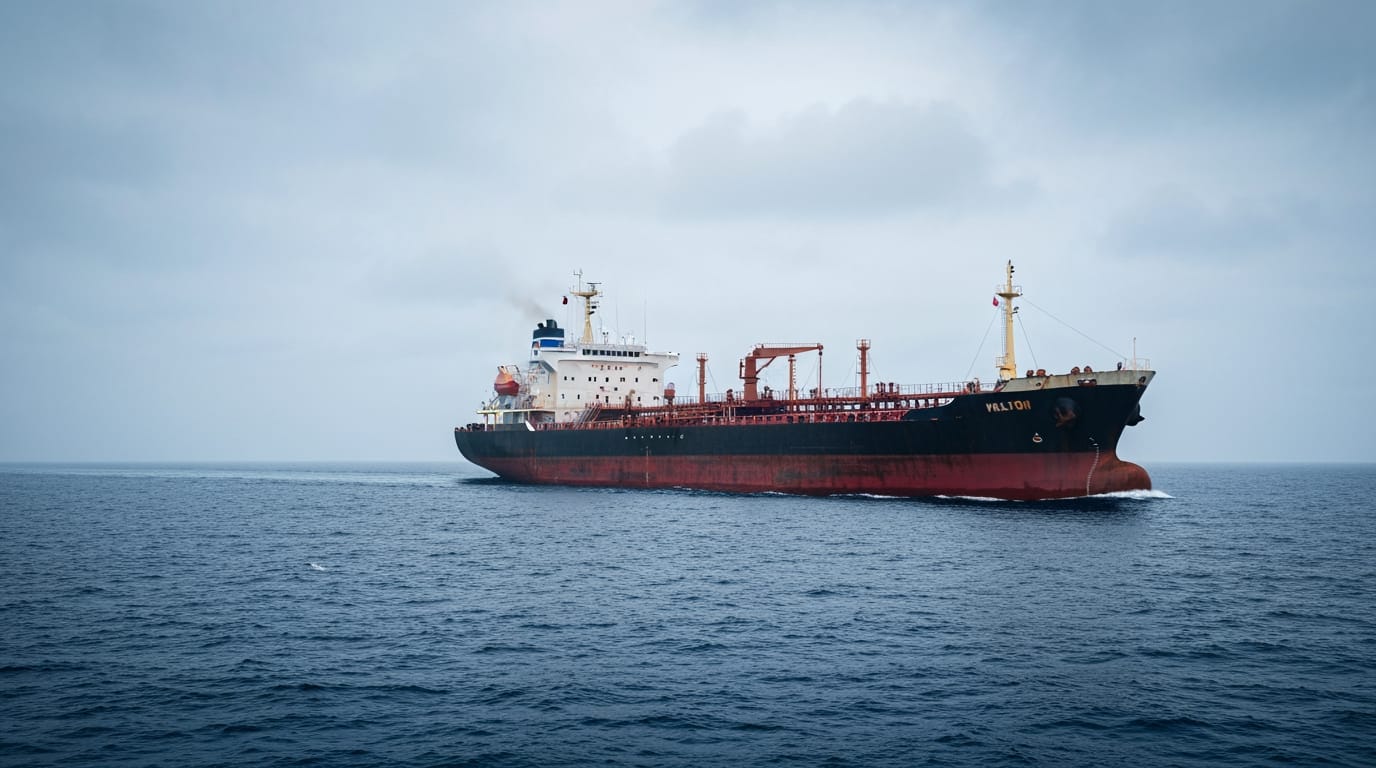
HAVANA, Cuba – In a surprising turn of events, a Russian oil tanker carrying hundreds of thousands of barrels of crude oil is set to dock in Cuba, a move explicitly permitted by the United States government despite an ongoing de facto blockade by Washington aimed at isolating the island nation. This unexpected decision, confirmed by President Donald Trump, represents a significant deviation from recent U.S. policy and introduces new complexities into the fraught geopolitical landscape involving Cuba, Russia, and the global energy market. The arrival of the Anatoly Kolodkin, a Russian-flagged vessel, offers a critical, albeit temporary, lifeline to a Cuban population grappling with severe energy shortages and a deepening humanitarian crisis.
The tanker, laden with an estimated 650,000 to 730,000 barrels of Urals crude, departed from Russia's Primorsk port and was tracked nearing Cuban territorial waters by late March 2026, with an anticipated arrival at the port of Matanzas. Its journey has been closely watched, particularly given the U.S. Coast Guard's presence in the region, which had previously been instrumental in enforcing Washington's stringent oil restrictions on Havana. However, this time, the Trump administration chose not to intervene, marking a conspicuous reversal of its aggressive stance.
A Policy Reversal Amid Crisis
For months leading up to this development, the Trump administration had systematically tightened its economic squeeze on Cuba, with an effective oil blockade serving as a primary lever to pressure the communist government in Havana. This campaign intensified following the capture of Venezuelan leader Nicolás Maduro in January, which abruptly halted Cuba's primary source of oil imports. Washington subsequently threatened to impose tariffs on any country that continued to supply oil to the island, leading Mexico, a significant past supplier, to cease its shipments. The objective, openly stated by U.S. officials, was to compel regime change through economic strangulation.
This aggressive posture had plunged Cuba into an acute energy crisis, characterized by widespread blackouts, severe gasoline rationing, and the near collapse of essential services. Cuban President Miguel Díaz-Canel had publicly acknowledged that the country had not received oil imports for three months, leading to a humanitarian emergency that drew criticism from international bodies like the United Nations. Against this backdrop, President Trump's public statements regarding the Russian tanker were particularly striking. Speaking to reporters aboard Air Force One, he declared he had "no problem" with Russia or any other country sending oil to Cuba, asserting that the island was "finished" and a single shipment would not alter its fate.
Geopolitical Chessboard: Russia, Cuba, and Global Energy
The decision to allow the Anatoly Kolodkin to proceed is not merely an isolated incident but rather a symptom of a larger, more intricate geopolitical dance. Russia and Cuba have maintained robust ties since the Cold War era, and Moscow has consistently reaffirmed its support for Havana, especially in the face of escalating U.S. pressure. Notably, Cuba joined the Russian-led BRICS group as a partner country in October 2024, further solidifying their alliance. Russia has also pledged "humanitarian" oil shipments to the island, a promise now visibly fulfilled.
Furthermore, this policy shift by the U.S. aligns with broader, albeit temporary, adjustments to its sanctions regime on Russian oil. Earlier in March, the U.S. Treasury Department issued a general license easing some sanctions on Russian oil exports globally, a move reportedly aimed at stabilizing international energy markets rattled by disruptions caused by U.S. and Israeli military actions against Iran. However, an amendment to this waiver on March 19 specifically barred transactions involving Cuba and North Korea. The subsequent allowance of the Anatoly Kolodkin suggests a nuanced and perhaps contradictory application of these regulations, possibly to avoid a direct confrontation with Russia at a sensitive time, or to prevent a complete humanitarian collapse in Cuba that could destabilize the region.
The Anatoly Kolodkin itself is a sanctioned vessel, a detail that further underscores the complexity of the situation. Its transit through the English Channel, reportedly with a Russian naval escort, before it continued solo towards Cuba, highlights the deliberate nature of this mission and the potential for increased tensions had the U.S. opted for interception. Experts, such as Jorge Piñon of the University of Texas Energy Institute, noted that once the tanker entered Cuban waters, intercepting it would have been "almost impossible" for the U.S. government.
A Temporary Reprieve for a Beleaguered Nation
The arrival of the Russian oil is expected to provide a crucial, though short-term, reprieve for Cuba. The 730,000 barrels are estimated to supply the island with several weeks' worth of fuel, offering some relief from the daily hardships endured by its 9.6 million inhabitants. For months, Cubans have faced daily blackouts, long queues for scarce gasoline, and dwindling resources that have crippled public transport and strained healthcare facilities. The severe energy crisis had reached a point where the humanitarian implications were undeniable, drawing international concern.
While the oil delivery is a welcome development for Havana, it does not resolve Cuba's fundamental economic vulnerabilities or its long-term energy security challenges. The island, which imports approximately 60% of its energy supply, remains highly susceptible to external pressures and global market fluctuations. The U.S. policy, despite this recent concession, continues to aim at isolating the Cuban government, and the rhetoric from Washington has often been assertive, with President Trump having previously mused about "taking" the island.
Uncharted Waters for U.S.-Cuba Relations
The U.S. decision to permit the Russian oil shipment to Cuba marks a pivotal moment, raising questions about the coherence and priorities of American foreign policy. It suggests a pragmatic, albeit perhaps inconsistent, approach to sanctions enforcement, balancing geopolitical pressure with the imperative to manage humanitarian crises and global energy stability. While providing immediate relief to Cuba, it also allows Russia to bolster its influence in the Caribbean, a region historically viewed as within the U.S. sphere of influence.
The long-term implications of this event remain uncertain. Will this be a singular exception, or does it herald a more flexible approach by the U.S. towards Cuba? The complexities of the global energy landscape, coupled with enduring geopolitical rivalries, ensure that the waters surrounding Cuba will remain closely watched, as the island nation continues to navigate a turbulent and unpredictable international environment.


