US House Ends Record DHS Shutdown, Approves Funding Bill
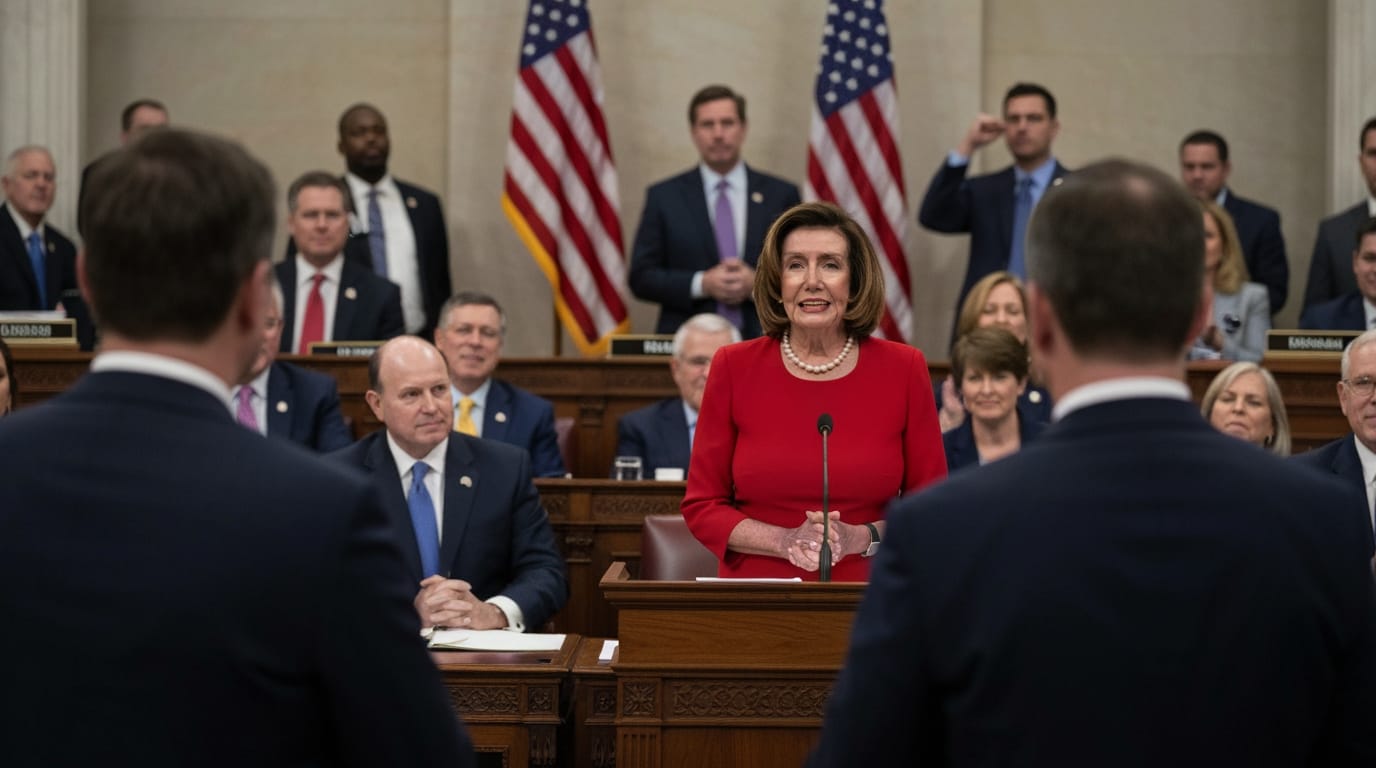
Washington D.C. — The U.S. House of Representatives on Thursday unanimously approved a Senate-passed bill to fund most of the Department of Homeland Security (DHS), effectively ending a 76-day partial government shutdown that had crippled vital agencies and left tens of thousands of federal employees without pay. The bipartisan measure, which now heads to President Donald Trump’s desk for signature, marks a significant breakthrough in a protracted budgetary impasse that had become the longest partial government shutdown for a single agency in U.S. history.
House Acts Swiftly to Reopen Critical Agencies
In a swift voice vote on Thursday afternoon, lawmakers in the House demonstrated a collective readiness to put an end to the extended budgetary stalemate. The House's approval sends the legislation directly to President Trump, and the shutdown is expected to conclude once he signs the bill into law. This action will restore full funding to a broad array of DHS components, including the Secret Service and the Transportation Security Administration (TSA), which have been operating under immense strain. The Senate had unanimously passed identical legislation last month, but the bill languished in the House due to internal Republican disagreements and a broader strategy related to immigration enforcement funding.
The partial shutdown, which began on February 14, impacted crucial federal operations spanning national security, border protection, and emergency management. Federal employees across these sectors, including those at the Federal Emergency Management Agency (FEMA), the Coast Guard, and TSA, faced delayed paychecks and an uncertain financial future for over two months. Homeland Security Secretary Markwayne Mullin had warned that funds for payroll would run dry by early May, escalating pressure on Congress to act swiftly.
A Protracted Standoff Over Immigration Enforcement
The roots of the 76-day shutdown were deeply embedded in a contentious dispute over funding for immigration enforcement agencies, particularly Immigration and Customs Enforcement (ICE) and Border Patrol. Democrats had objected to fully funding these agencies, citing concerns over what they described as an "immigration crackdown" and seeking greater oversight of their operations. Notably, the approved bill explicitly funds much of the Department of Homeland Security but excludes direct funding for immigration enforcement operations.
The impasse had been a central point of conflict, with Republicans, including House Speaker Mike Johnson, initially rejecting the Senate's earlier attempts to pass a similar bill, arguing that it would concede to Democratic demands to defund the President's immigration agenda. This strategic holdout contributed to the prolonged nature of the shutdown, making it the third such partial shutdown through the fall and early spring as part of the broader annual government funding process. The legislative wrangling highlighted persistent divisions within Congress regarding immigration policy and the allocation of resources for border security.
The Human and Operational Toll of the Impasse
The extended shutdown exerted a significant toll on federal employees and critical government services. Thousands of DHS employees were ordered back to work without pay for weeks, leading to financial hardship for many. The Coast Guard, for instance, reported operating in a "crisis" state as the shutdown halted pay and strained overseas missions. The White House had to resort to redirecting money in March to ensure employees received some pay, but this temporary measure was unsustainable. More than 1,100 Transportation Security Administration agents reportedly quit since February, with the looming threat of airport disruptions due to understaffing.
The White House had sharply raised the stakes in recent days, issuing warnings that the emergency funds used to pay frontline staff were nearing exhaustion. These alerts, coupled with the mounting operational challenges and the increasing public outcry, underscored the urgency for a resolution. Connecticut Democratic Representative Rosa DeLauro, a ranking member on the House Appropriations Committee, voiced the exasperation felt by many, stating during floor debate that "it is about damn time" the bill was brought to a vote.
A Two-Track Resolution and Lingering Challenges
The resolution to the DHS funding crisis ultimately emerged from a two-track strategy, a compromise designed to address the immediate need to reopen the department while still pursuing the administration's immigration enforcement priorities. The first track involved the House passing the Senate DHS funding bill to immediately restore operations for most of the department. The second, more politically intricate, track involves funding ICE and Border Patrol through the budget reconciliation process.
This procedural maneuver allows Republicans to approve a bill for immigration enforcement without requiring support from Senate Democrats, effectively sidestepping the earlier impasse. House Republicans pushed through a budget resolution earlier in the week, paving the way for this separate process and aiming to provide up to $75 billion for immigration enforcement. This dual approach highlights the ongoing political complexities surrounding federal spending and immigration policy, suggesting that while one immediate crisis has been averted, deeper legislative battles persist.
Conclusion
The House's approval of the DHS funding bill brings a welcome end to a challenging period for federal workers and essential government services. The 76-day shutdown, the longest for a single federal agency, served as a stark reminder of the significant human and operational costs associated with budgetary stalemates. While most of the Department of Homeland Security can now resume full operations, the underlying political disagreements concerning immigration enforcement funding have not been fully resolved. Instead, they have been punted to a separate, equally contentious legislative process, indicating that while one chapter of the funding battle has closed, the broader narrative of budgetary and policy disagreements continues to unfold in Washington.