US, India Hail Progress in Trade Talks as Vance Visits Modi
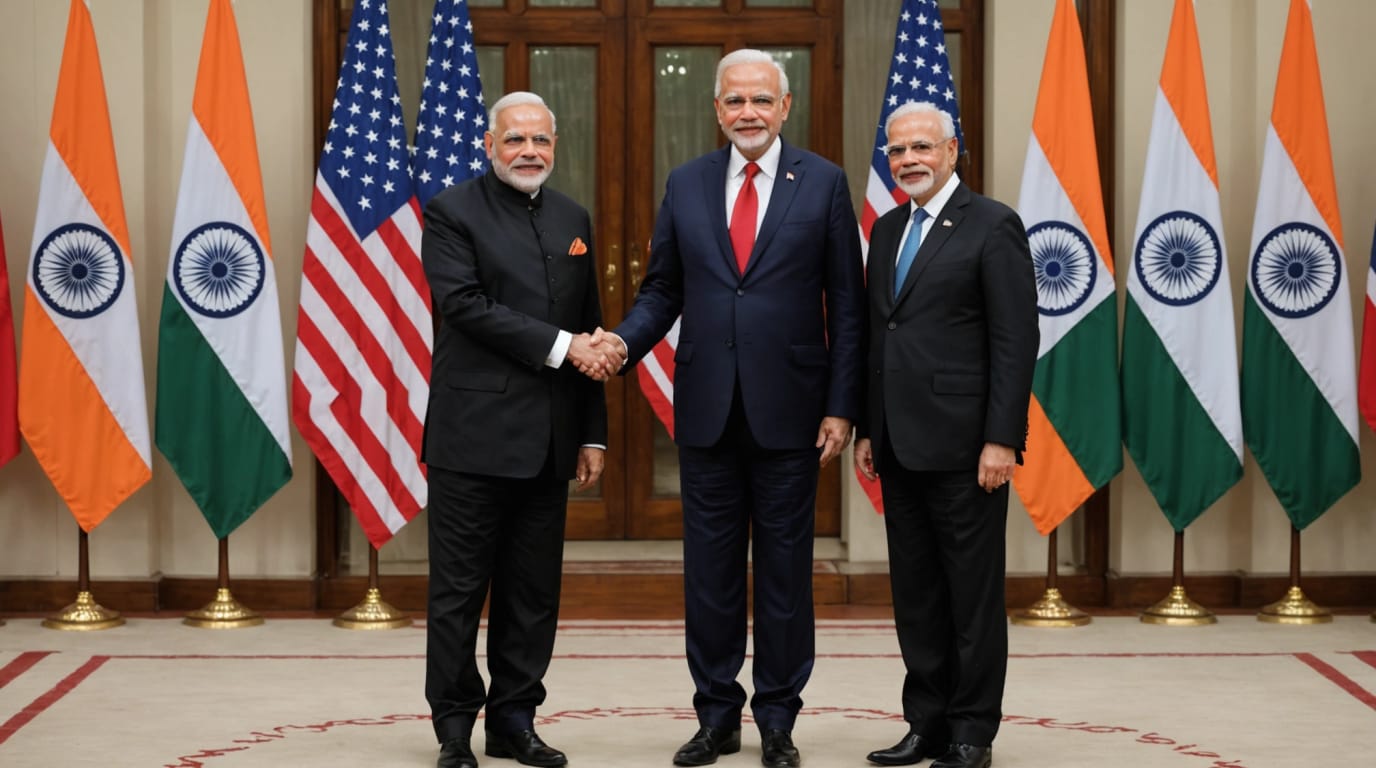
NEW DELHI – U.S. Vice President J.D. Vance's visit to India culminated Monday with a meeting with Prime Minister Narendra Modi, where both leaders lauded the "significant progress" made in negotiations for a bilateral trade agreement. The meeting, held at Modi's residence in New Delhi, signals a strong commitment from both nations to strengthen economic ties amid a complex global trade landscape.
Key Outcomes of the Meeting
The primary focus of the meeting was the ongoing negotiations for a Bilateral Trade Agreement (BTA). Both Modi and Vance expressed optimism about the direction of the talks, emphasizing the potential for a mutually beneficial agreement that prioritizes the well-being of citizens in both countries. According to a statement from Vance's office, the BTA presents an opportunity to negotiate a new and modern trade agreement focused on promoting job creation and citizen well-being in both countries, with the goal of enhancing bilateral trade and supply-chain integration in a balanced and mutually beneficial manner.
The U.S. formally announced the finalization of the Terms of Reference for the negotiations, laying down a roadmap for further discussions about shared economic priorities. Both sides backed an early conclusion of the agreement, which will allow India to stave off the threat from the Trump administration's reciprocal tariffs, as Vance underscored the US pursuit of a fair and balanced trade relationship with India.
Beyond trade, discussions also encompassed cooperation in energy, defense, and strategic technologies. These areas reflect the deepening strategic partnership between the U.S. and India, particularly in the face of growing geopolitical challenges.
Vance's Visit Amidst Trade Tensions
Vance's four-day visit to India comes at a crucial juncture, with the U.S. seeking to recalibrate its trade relationships and India aiming to bolster its economic growth. The visit also occurs amidst a rapidly intensifying trade war between Washington and Beijing, which is New Delhi's main rival in the region.
The backdrop to these discussions is the potential for sweeping tariffs on imports to the U.S., including a possible 26% levy on Indian goods, threatened by the Trump administration. While these tariffs are currently paused, they underscore the urgency for India to secure a favorable trade agreement with the U.S.
India's Strategic Considerations
For India, a successful BTA with the U.S. is vital for several reasons. Firstly, the U.S. is India's largest trading partner, making the economic relationship a cornerstone of India's growth strategy. Secondly, the agreement would provide a buffer against potential protectionist measures from the U.S., ensuring continued access to a critical market. Thirdly, closer ties with the U.S. align with India's broader strategic goals, including strengthening its position in the Indo-Pacific region and diversifying its partnerships.
Modi has also cooperated with Trump's campaign to deport people living in the US without documentation. India has accepted many of its citizens expelled from the US in the past few months with the prime minister's office batting away criticism of how some deportees have been treated. Despite the increased coordination, Trump has continued to call India a “tariff abuser” and “tariff king”.
US Objectives and the "Golden Age for America"
From the U.S. perspective, a trade deal with India is seen as an opportunity to promote job creation and economic growth at home. Vance's office emphasized that the BTA aligns with President Trump's vision of a "Golden Age for America," by creating new opportunities of growth for workers, farmers, and entrepreneurs in both countries.
The U.S. also views India as a key partner in its efforts to counter China's growing influence in the region. Strengthening economic and strategic ties with India is therefore a priority for the Trump administration.
Looking Ahead: Potential Trump Visit and Quad Summit
During the meeting, Modi expressed his anticipation for President Trump's visit to India later this year, when India will host the U.S.-India-Japan-Australia Quad Summit. This summit is expected to further solidify the strategic partnership between the four countries, with a focus on promoting security and stability in the Indo-Pacific.
However, while the US readout recalled the “positive and successful” meeting between PM Modi and Trump in February, it was silent on the proposed Trump visit to India.
Conclusion: A Promising Step Forward
The meeting between Vice President Vance and Prime Minister Modi represents a significant step forward in U.S.-India relations. The commitment to finalize a mutually beneficial trade agreement signals a shared desire to deepen economic ties and strengthen the strategic partnership between the two countries. While challenges remain, the positive tone of the discussions and the progress made in negotiations offer hope for a more robust and balanced trade relationship in the years to come. The successful conclusion of the BTA could unlock new opportunities for growth and prosperity in both the U.S. and India, while also contributing to a more stable and secure global order.


