US-India Trade Deal Stalls Amid Stubborn Differences on Tariffs, Market Access
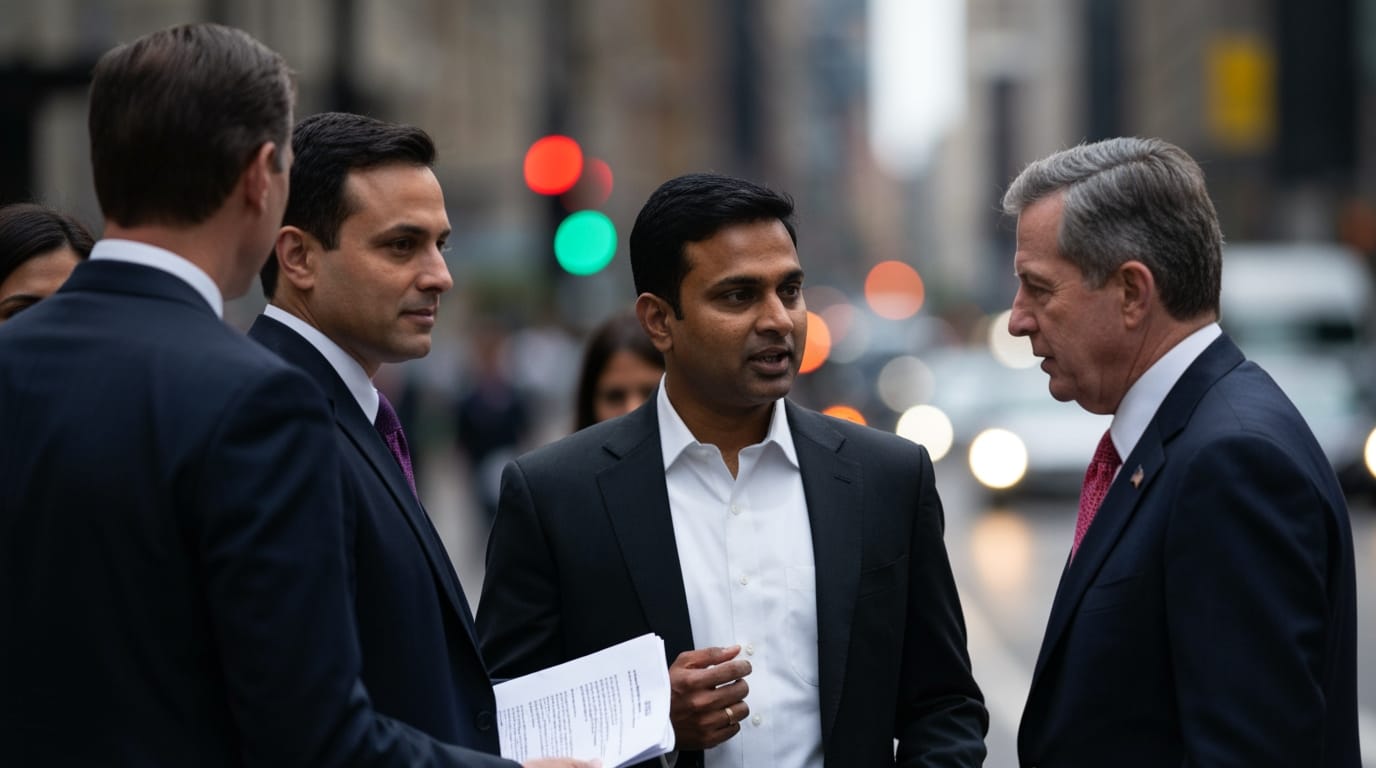
Recent high-level trade discussions between the United States and India concluded without a definitive breakthrough, underscoring persistent challenges in forging a comprehensive trade agreement. While both nations emphasize the strategic importance of deepening economic ties, key disagreements over tariffs, market access for agricultural products, and digital trade policies continue to impede progress, with a critical July 24 deadline looming for potential new U.S. tariff actions.
The U.S. and India, the world's largest and most populous democracies, are seeking to strengthen an economic partnership that is also strategically vital. The U.S. stands as India's second-largest trading partner and its biggest export market, with India's exports to the U.S. reaching $87.3 billion and imports totaling $53.48 billion in the year ending March. The total U.S. goods trade with India was estimated at $149.4 billion in 2025. Both countries have set an ambitious target to increase bilateral trade to $500 billion by 2030, nearly quadrupling current levels. This economic deepening is also seen as a crucial step in diversifying global supply chains, particularly away from China.
Despite this shared vision, the path to a comprehensive trade deal has been fraught with difficulties. The relationship has experienced periods of friction, including the Trump administration's decision in 2019 to revoke India's preferential trade status under the Generalized System of Preferences (GSP), which led to India imposing retaliatory tariffs on various U.S. products. The recent talks, which wrapped up on June 24, reviewed progress on ongoing discussions but did not clearly indicate a narrowing of differences, though both sides expressed a desire for a "balanced" agreement delivering tangible benefits.
The Tariff Tug-of-War and Market Access Hurdles
Tariffs remain a central and contentious issue in negotiations. The U.S. has consistently criticized India's historically high tariffs on American goods, with some U.S. lawmakers referring to "walls and tariffs" impeding access for American products. Conversely, the U.S. has also levied significant duties on Indian imports. In late August 2025, the U.S. imposed tariffs as high as 50% on a wide range of Indian goods, including textiles, leather, machinery, gems, electrical equipment, and agricultural products. These actions followed earlier Section 232 tariffs on steel and aluminum in 2018 and additional duties partly linked to India's continued purchases of Russian oil.
A significant development occurred when the U.S. Supreme Court struck down the previous "sweeping global tariff regime," leading to a temporary universal 10% duty on certain imports. However, this 10% duty is set to expire on July 24, raising concerns that the U.S. may introduce new, steeper tariffs under Section 301 of the U.S. Trade Act of 1974. India is wary of any agreement that retains provisions allowing the U.S. to re-impose tariffs under Section 301, fearing such measures could create uncertainty even after a pact is signed.
India, for its part, seeks preferential tariff treatment to ensure its exports face lower duties compared to those from rival nations before finalizing any agreement. This demand for a "competitive advantage" highlights India's strategic approach to securing favorable terms in the global market. The substantial goods trade deficit the U.S. holds with India, which reached $58.2 billion in 2025, also plays a role in the U.S. push for greater market access.
Agricultural Sector: A Deep-Rooted Divide
One of the most sensitive subjects in the trade discussions is agricultural market access. India has historically maintained protective measures for its vast farm and dairy sectors, a policy driven by the significant portion of its population — nearly half of the country's workforce — that depends on agriculture for their livelihood. Protecting this sector was a primary reason for India's decision to withdraw from the Regional Comprehensive Economic Partnership (RCEP) negotiations.
The U.S., however, continues to press for greater access to the Indian market for its agricultural products, including dairy, poultry, corn, soybeans, and high-value nuts such as almonds and walnuts. The differing priorities between protecting domestic farmers in India and expanding export opportunities for American agricultural producers create a persistent hurdle. Additionally, India's past caps on medical devices, like stents and artificial knee implants, have been a point of contention, although India is reportedly exploring new approaches focused on reducing profit margins rather than cost caps.
Navigating the Digital Frontier and Intellectual Property Concerns
The burgeoning digital economy also presents a complex array of challenges for the trade negotiators. India's stringent data localization mandates, which require global technology companies to store Indian user data exclusively within its national borders, are a significant roadblock. American tech firms argue that these regulations inflate operational costs and hinder digital innovation, pushing for greater flexibility.
Digital services taxation has also been a source of historical friction. The U.S. Trade Representative (USTR) previously launched a Section 301 investigation into India's Equalization Levy, informally known as the "Google Tax." While India abolished this levy in April 2025, the broader issue of digital services taxes remains a global concern, with the U.S. President threatening 100% tariffs on countries that impose such taxes on American technology companies.
Furthermore, intellectual property rights (IPR) represent another area of disagreement. The U.S. has urged India to adopt more robust patent protections, a call that resonates particularly with American pharmaceutical firms seeking improved market entry and protection for their innovations in India.
A Path Forward Amid Persistent Roadblocks
The ongoing negotiations between the U.S. and India highlight the intricate balance between economic aspirations and domestic sensitivities. While both nations acknowledge the immense strategic imperative to deepen their economic relationship, core challenges related to reciprocal tariffs, agricultural market access, digital trade policies, and intellectual property rights continue to present significant hurdles.
U.S. officials have indicated that negotiations are "very close" to a conclusion. However, experts suggest that the final stages of such agreements are often the most difficult, as both sides grapple with their respective "redlines." A potential path forward could involve a phased approach, settling easier issues first and deferring more politically sensitive disputes to subsequent rounds of talks.
The looming July 24 deadline for potential U.S. Section 301 actions adds urgency to the current discussions. While a comprehensive deal remains elusive, the sustained engagement from both governments reflects a mutual commitment to finding common ground, underscoring the critical importance of a robust U.S.-India trade relationship in a complex global landscape.


