US-Iran Relations: A Precarious Dance Between Conflict and Compromise
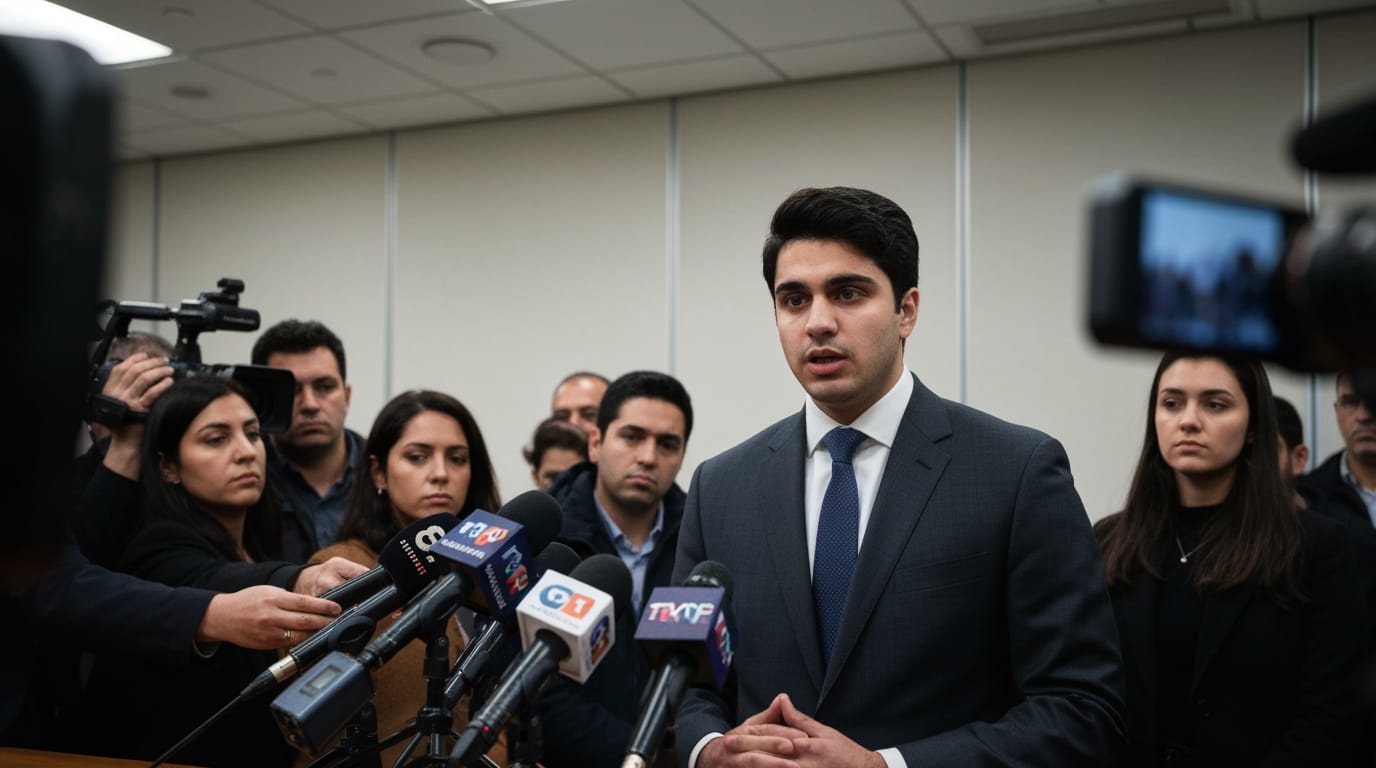
The long-strained relationship between the United States and Iran has once again reached a critical juncture, characterized by a complex interplay of escalating tensions, diplomatic overtures, and recent military engagements. Following a period of heightened conflict, indirect talks have culminated in a tentative ceasefire and a fragile pathway toward broader negotiations, underscoring a continuous oscillation between confrontation and the elusive pursuit of a stable understanding. The delicate balance achieved reflects the profound challenges of bridging decades of distrust and divergent national interests, with regional and global implications hanging in the balance.
The Promise and Peril of the JCPOA Era
The Joint Comprehensive Plan of Action (JCPOA), often referred to as the Iran nuclear deal, represented a significant, albeit temporary, peak in the trajectory of compromise between Iran and global powers. Signed in July 2015 by Iran and the P5+1 nations—the United States, United Kingdom, France, Russia, China, and Germany, alongside the European Union—the agreement aimed to curtail Iran's nuclear ambitions in exchange for the lifting of international sanctions. Under the terms of the JCPOA, Iran committed to substantial restrictions on its uranium enrichment capacity, limits on its uranium stockpile, and expanded inspections by the International Atomic Energy Agency (IAEA). The deal was formally adopted in October 2015 and implemented in January 2016, following IAEA verification of Iran's compliance with initial steps. Proponents hailed it as a crucial mechanism for enhancing global security and fostering diplomatic relations.
However, the lifespan of this compromise proved limited. In May 2018, the United States, under then-President Donald Trump, unilaterally withdrew from the JCPOA, citing concerns over its "sunset provisions" that allowed for the gradual expiration of some nuclear restrictions, as well as the deal's failure to address Iran's ballistic missile program and its regional activities. The withdrawal was met with regret and criticism from European allies, who nonetheless struggled to salvage the agreement.
Escalation, Sanctions, and Nuclear Advancement
The U.S. withdrawal triggered a period of "maximum pressure," with Washington re-imposing and expanding a wide array of economic sanctions on Tehran. These sanctions severely impacted Iran's economy, leading to a significant decline in oil exports, a depreciating currency, and shrinking gross domestic product. The stated goal of this pressure campaign was to compel Iran to negotiate a more comprehensive agreement that would address its nuclear program, ballistic missile development, and regional influence.
In response to the renewed sanctions and the U.S. departure from the JCPOA, Iran began incrementally breaching its commitments under the deal starting in 2019. Tehran accelerated its uranium enrichment activities, advancing to purity levels significantly beyond the 3.67% limit set by the JCPOA, reaching 60% enrichment, a level close to weapons-grade and with no practical civilian application. Iran also deployed advanced centrifuges, increasing its enrichment efficiency, and reduced IAEA monitoring access to its nuclear facilities, raising concerns about the transparency of its program. By late 2024, assessments indicated Iran could produce enough weapons-grade uranium for multiple nuclear devices in a short timeframe. By May 2025, the IAEA reported that Iran's stockpile of 60% enriched uranium had surpassed 408 kilograms, a quantity deemed sufficient for multiple nuclear weapons if further enriched. This period of escalation also saw a series of direct and indirect military confrontations in 2025 and 2026 involving the United States, Israel, and Iran.
Renewed Diplomacy Amidst Conflict (2025-2026)
Despite the escalating conflict, a renewed push for de-escalation and diplomacy emerged in 2025. In April of that year, the U.S. and Iran initiated a series of negotiations aimed at a nuclear peace agreement, following direct communication between then-President Trump and Supreme Leader Ali Khamenei. However, these nascent talks were disrupted in June 2025 when Israel launched military operations targeting Iranian nuclear sites and military leaders, prompting Iran to suspend negotiations. Iran officially announced the end of its adherence to the JCPOA in October 2025, declaring all restrictions on its nuclear program void.
Talks reportedly resumed in early 2026, even as the U.S. and Israel launched further strikes on Iran in February 2026, marking the beginning of the 2026 Iran war. Intensive indirect negotiations continued, facilitated by mediators such as Oman, Qatar, and Pakistan. These efforts culminated on June 14, 2026, with the signing of a memorandum of understanding (MOU) between the United States and Iran. The MOU established an immediate and permanent ceasefire, the reopening of the vital Strait of Hormuz to maritime traffic, and initiated a 60-day window for negotiating a more comprehensive final deal. Key contentious issues, including the specifics of Iran's nuclear program, its ballistic missile capabilities, and broader regional security arrangements, were deferred to these subsequent negotiations. As part of the preliminary agreement, Iran affirmed its commitment not to procure or develop nuclear weapons, while sanctions relief remains a critical economic incentive for Tehran.
Regional and Global Repercussions
The dynamic between Washington and Tehran has profound implications extending beyond their bilateral relationship, significantly shaping the geopolitical landscape of the Middle East and impacting global stability. The cycle of conflict and diplomatic efforts directly influences regional actors, including Gulf states and Israel. Gulf Cooperation Council (GCC) members, some of whom have played mediating roles, have experienced firsthand the consequences of the conflict, from missile and drone attacks to disruptions in oil and gas exports. Israel, a vocal critic of the JCPOA, has consistently viewed Iran's nuclear program and regional activities as an existential threat, leading to military interventions.
Globally, the tensions have rippled through energy markets, particularly with disruptions to the Strait of Hormuz, a crucial chokepoint for a significant portion of the world's oil supply, causing price volatility. Major powers like China and Russia also have vested interests, with China being a key buyer of Iranian oil and Russia potentially benefiting from the diversion of U.S. resources. European nations have expressed concerns over rising energy costs and vulnerable supply chains stemming from regional instability. Furthermore, the U.S. withdrawal from the JCPOA was seen by many international observers as undermining American credibility as a reliable negotiating partner.
An Uncertain Path Forward
The recent ceasefire and resumption of negotiations mark a potential inflection point in the tumultuous U.S.-Iran relationship, yet the path ahead remains fraught with challenges. The deep-seated distrust, historical grievances, and fundamental disagreements over regional security architecture and Iran's nuclear program continue to complicate efforts toward a lasting resolution. While the immediate cessation of hostilities and the reopening of key maritime routes offer a degree of relief, the success of the ongoing 60-day negotiation period hinges on the willingness of both sides to make difficult compromises on core issues. The delicate balance between applying pressure and offering incentives will dictate whether the current moment leads to a more stable future or merely another turn in the enduring cycle of conflict and compromise. The international community watches closely, aware that the stakes involve not only regional peace but also the integrity of global non-proliferation efforts.


