US-Iran Talks Falter Amid Escalating Regional Tensions and Deep Distrust
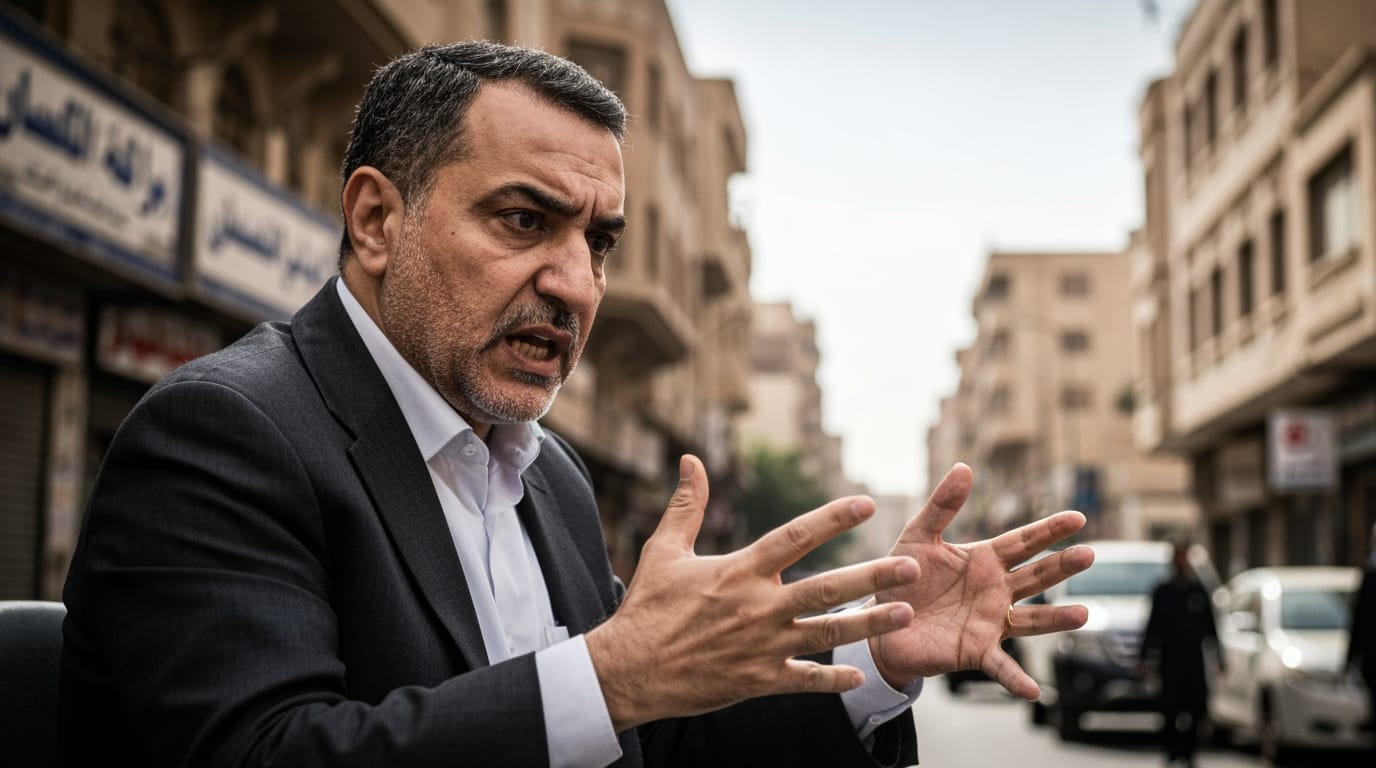
Washington D.C. & Tehran – Efforts to de-escalate tensions between the United States and Iran have hit a significant roadblock, with critical negotiations appearing to stall amidst persistent disagreements over Iran's nuclear ambitions, crippling economic sanctions, and the volatile landscape of the broader Middle East. The delicate diplomatic dance, intended to secure a lasting peace and potentially revive aspects of a nuclear accord, is now shadowed by renewed military exchanges and increasing regional strife, raising concerns about a return to open conflict.
Recent developments indicate a deepening stalemate, primarily fueled by Iran's insistence on its right to enrich uranium and demands for comprehensive sanctions relief, juxtaposed against American calls for stricter nuclear curbs and an end to Iran's regional proxy activities. The ongoing Israeli offensive in Lebanon has further complicated the delicate diplomatic environment, with Tehran explicitly citing these operations as a reason for suspending indirect talks.
The Stubborn Impasse: Nuclear Program and Sanctions
At the core of the stalled negotiations lie fundamental differences regarding Iran's nuclear program and the extensive economic sanctions imposed by the United States. Washington has consistently pushed for more stringent limitations on Iran's uranium enrichment, including the dismantling of key facilities and the removal of highly enriched uranium from Iranian territory. The International Atomic Energy Agency (IAEA) recently reported that Iran has amassed a record amount of military-grade enriched uranium, intensifying international concerns about its nuclear trajectory.
Conversely, Iran maintains its right to enrich uranium for peaceful purposes and demands the immediate and full lifting of all sanctions, including the naval blockade on its ports. Iranian officials have cautioned that no deal will be approved until the rights of the Iranian people are upheld. This includes restoring Iran's ability to export oil freely, a vital component of its economy heavily impacted by US pressure. The US, however, remains hesitant to ease sanctions without significant and verifiable concessions from Tehran, reflecting a deep-seated mistrust that has accumulated over decades.
Regional Flashpoints Derail Diplomacy
The fragile peace efforts have been severely tested by the escalating regional conflicts, particularly Israel's military operations in Lebanon. Iran announced a halt to peace talks with the US, directly attributing this decision to Israel's actions, which Tehran views as violations of an existing US-Iran ceasefire. Iranian Foreign Minister Abbas Araghchi emphasized that the ceasefire between Iran and the US "is unequivocally a ceasefire on all fronts, including in Lebanon," and any violation on one front constitutes a violation across the board. Israeli Prime Minister Benjamin Netanyahu has affirmed Israel's intent to strike Beirut if Hezbollah continues attacks, adding another layer of complexity to the regional dynamic.
The Strait of Hormuz, a critical chokepoint for global oil and liquefied natural gas shipments, also remains a significant point of contention. While reopening the Strait is a key US demand, Iran has previously exerted control over the waterway and has hinted at regulating or taxing passage, fueling anxieties in international markets. The continued closure or disruption of traffic through the Strait has contributed to spikes in oil prices and threatened deeper global economic harm.
A History of Broken Trust and Shifting Demands
The current diplomatic struggles are rooted in a complex history of mistrust and failed agreements. Formal negotiations began in April 2025, following a direct communication from US President Donald Trump to Iranian Supreme Leader Ali Khamenei, initially setting a 60-day deadline for an agreement. However, these initial rounds proved unsuccessful, culminating in a conflict between Israel and Iran in June 2025, which included Israeli strikes on Iranian nuclear facilities.
The unraveling of the 2015 Joint Comprehensive Plan of Action (JCPOA), from which the US withdrew in 2018 under the first Trump administration, significantly deepened the chasm between the two nations. The subsequent reimposition of sanctions by Washington severely impacted Iran's economy, leading to what some describe as its worst economic crisis in four decades. Reports indicate that the US administration is now seeking "tougher" terms in any new framework agreement, further complicating the path to a mutually acceptable resolution.
International Reactions and Uncertain Prospects
The international community watches these developments with growing apprehension. Several US allies have urged both sides to return to the negotiating table, emphasizing the threat posed by Tehran's nuclear program and the need for diplomatic solutions. The UN Secretary-General has expressed "grave alarm" over the use of force, warning of a rapid escalation with catastrophic consequences.
Despite the ongoing difficulties, a tentative agreement to extend the ceasefire by 60 days and initiate new nuclear talks had reportedly been reached, though Iran had not immediately confirmed it, and President Trump's approval remained uncertain. While President Trump has expressed optimism about a potential deal, even suggesting a willingness for talks to "go silent" if necessary, Iranian officials maintain that a final agreement is not imminent. The divergent priorities and deep-seated mistrust continue to make common ground elusive, leaving the future of US-Iran relations, and indeed broader regional stability, precariously balanced on the edge of uncertainty.


