US Lawmakers Urge Taiwan to Bolster Defense Amid Escalating China Threat
WASHINGTON D.C. – A bipartisan coalition of U.S. lawmakers is intensifying pressure on Taiwan to significantly increase its defense spending, warning that the threat from Beijing "has never been greater" and urging the self-governing island to overcome internal political divisions that have stalled critical military appropriations. The concerted push from Washington underscores growing alarm over China's assertive military posture towards Taiwan, which Beijing claims as its sovereign territory and has not ruled out taking by force. The United States, Taiwan's principal security guarantor, is emphasizing that Taipei must demonstrate a robust commitment to its own defense to deter potential aggression from the People's Republic of China.
Washington's Urgent Call for Enhanced Readiness
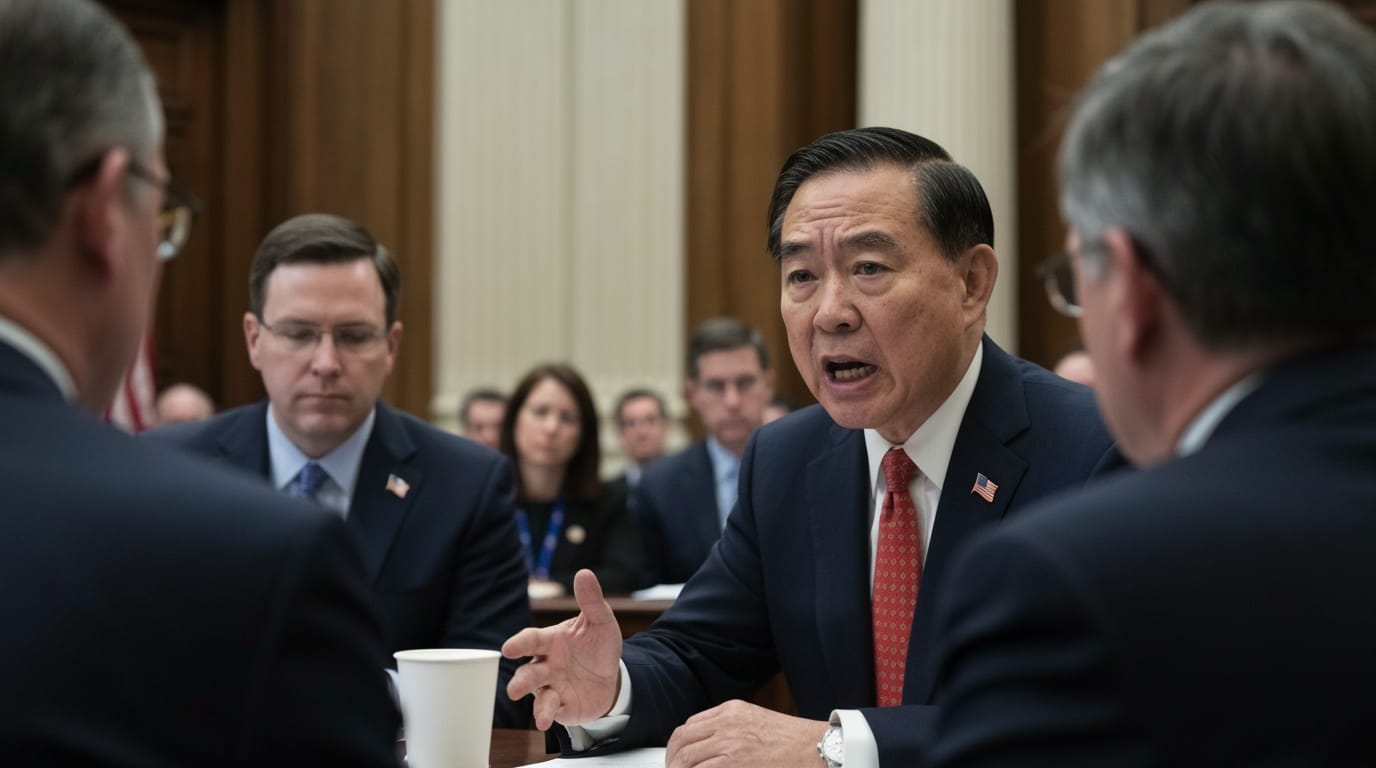
In a stark message delivered on February 12, dozens of members from both the U.S. Senate and House of Representatives issued a direct appeal to Taiwan's major political parties, calling for immediate action on defense spending. The letter, signed by 37 Republican and Democrat lawmakers, highlighted a shared imperative for both the United States and Taiwan to bolster deterrence against Beijing's expanding military capabilities and coercive tactics. These lawmakers expressed "serious concern" over the potential failure to pass a crucial defense budget, asserting that while Taiwan has made "important progress" in strengthening its defenses, this progress would be "insufficient" without substantial financial commitments at levels proposed by President Lai Ching-te. The appeal specifically targeted the leaders of Taiwan's opposition parties, the Kuomintang (KMT) and the Taiwan People's Party (TPP), as well as the KMT's parliamentary speaker and the Democratic Progressive Party's (DPP) caucus whip.
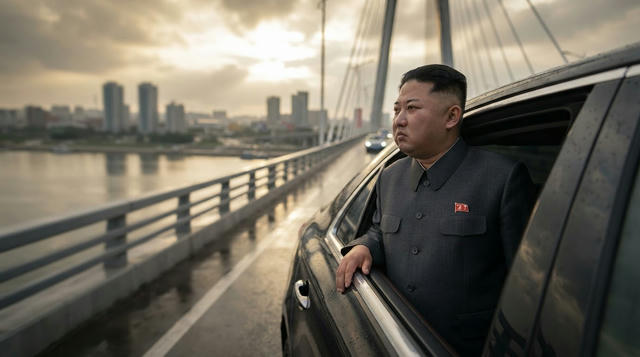
The congressional letter emphasized that Chinese President Xi Jinping is marshaling "every element of the PRC's national power to control Taiwan," employing "illegal, coercive, aggressive, and deceptive actions that undermine Taiwan's will to resist". The U.S. lawmakers cautioned that Xi "remains willing to use military force to achieve his goal". This urgent communication arrives amidst acknowledged delays in U.S. weapons deliveries to Taiwan, a backlog the U.S. lawmakers pledged to address, but concurrently stressed that Taiwan itself needs to "step up with us". For years, Washington has consistently pressed Taiwan to boost its defense outlays, reflecting a strategic pivot towards Taiwan taking greater responsibility for its own security in the face of an increasingly aggressive China.
Taiwan's Political Impasse: Budget Stalls Amidst Geopolitical Tensions
At the heart of Washington's concerns is the repeated blocking of a proposed special defense budget by Taiwan's opposition-controlled parliament. President Lai Ching-te had put forward a plan for an additional $40 billion in defense spending over an eight-year period, a proposal that has been thwarted 10 times by the KMT and TPP since early December. This proposed NT$1.25 trillion (approximately US$39.8 billion) budget was intended to fund critical capabilities, including advanced U.S. weapons platforms and a "T-Dome" multi-layered air and missile defense system.
Taiwan's current defense budget for this year stands at NT$949.5 billion (US$30 billion), representing 3.32% of its GDP and a 22.9% increase over the previous year, primarily covering operating expenses and the procurement of new fighter jets and naval/air capabilities. The U.S. has expressed support for Taiwan elevating its defense spending to more than 3% of GDP this year and aiming for 5% by 2030. However, the special budget, crucial for modernizing Taiwan's military and acquiring necessary defensive assets, remains in legislative limbo.
Opposition lawmakers, particularly from the KMT and TPP, have cited "unclear procurement details" and the absence of military personnel pay raises in the general government budget as reasons for blocking the special defense appropriations. While asserting their support for strengthening Taiwan's defense, these parties emphasize their role in monitoring spending allocations and ensuring detailed procurement plans. They have also pointed to delays in U.S. arms deliveries, including F-16V fighter jets, Harpoon missiles, and MK-48 heavy torpedoes, as a point of contention. However, this legislative obstruction has drawn sharp public criticism from several U.S. senators, who view it as detrimental to Taiwan's national security.
The Broader Geopolitical Stakes and Implications
The debate over Taiwan's defense spending transcends mere budgetary figures; it is intricately linked to broader U.S. strategic interests in the Indo-Pacific. U.S. Senator Roger Wicker, Chairman of the Senate Armed Forces Committee, underscored that Taiwan's security is paramount to U.S. interests, citing the island's critical role in semiconductor manufacturing and the potential for a regional collapse if Taiwan were to fall. This perspective highlights the severe economic and geopolitical repercussions of any successful Chinese aggression against Taiwan.
Another U.S. Senator, Dan Sullivan, starkly criticized the KMT and TPP, stating that "shortchanging Taiwan's defense to kowtow to the Chinese Communist Party (CCP) is playing with fire". Senator Sullivan also expressed concern over recent engagements between the KMT leadership and the CCP in Beijing, suggesting a worrisome alignment while crucial defense measures are being stalled domestically. The failure to pass a robust defense budget, U.S. lawmakers argue, sends a dangerous signal to Beijing, potentially emboldening coercive actions and undermining Taiwan's deterrent capabilities. It also risks damaging the crucial U.S.-Taiwan relationship, which has seen significant reaffirmation from Washington through recent trade deals and substantial defense sales packages.
Navigating the Path Forward
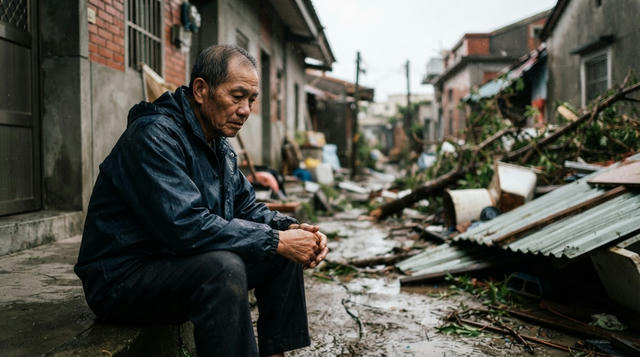
Taiwan faces a complex internal and external balancing act. The urgent calls from U.S. lawmakers highlight the need for Taipei to resolve its internal political stalemates swiftly to fortify its defense posture amidst growing regional tensions. The ongoing political deadlock not only impedes the acquisition of vital defense systems but also creates uncertainty regarding Taiwan's resolve to defend itself, a perception that could be exploited by adversaries.
The expectation from the United States is clear: Taiwan must shoulder a greater portion of its own defense burden, aligning its financial commitments with the severity of the threat it faces. While the U.S. remains committed to expediting weapons deliveries, the onus is increasingly on Taiwan to demonstrate unity and determination in securing its future. The coming months will be critical in determining whether Taiwan's political leadership can forge a consensus that prioritizes national security and effectively signals to both allies and potential adversaries its unwavering commitment to self-defense. The outcome of this budgetary battle will inevitably shape the trajectory of cross-strait relations and the stability of the Indo-Pacific region for years to come.