US Media Cutbacks Risk Global Influence, DW Chief Warns
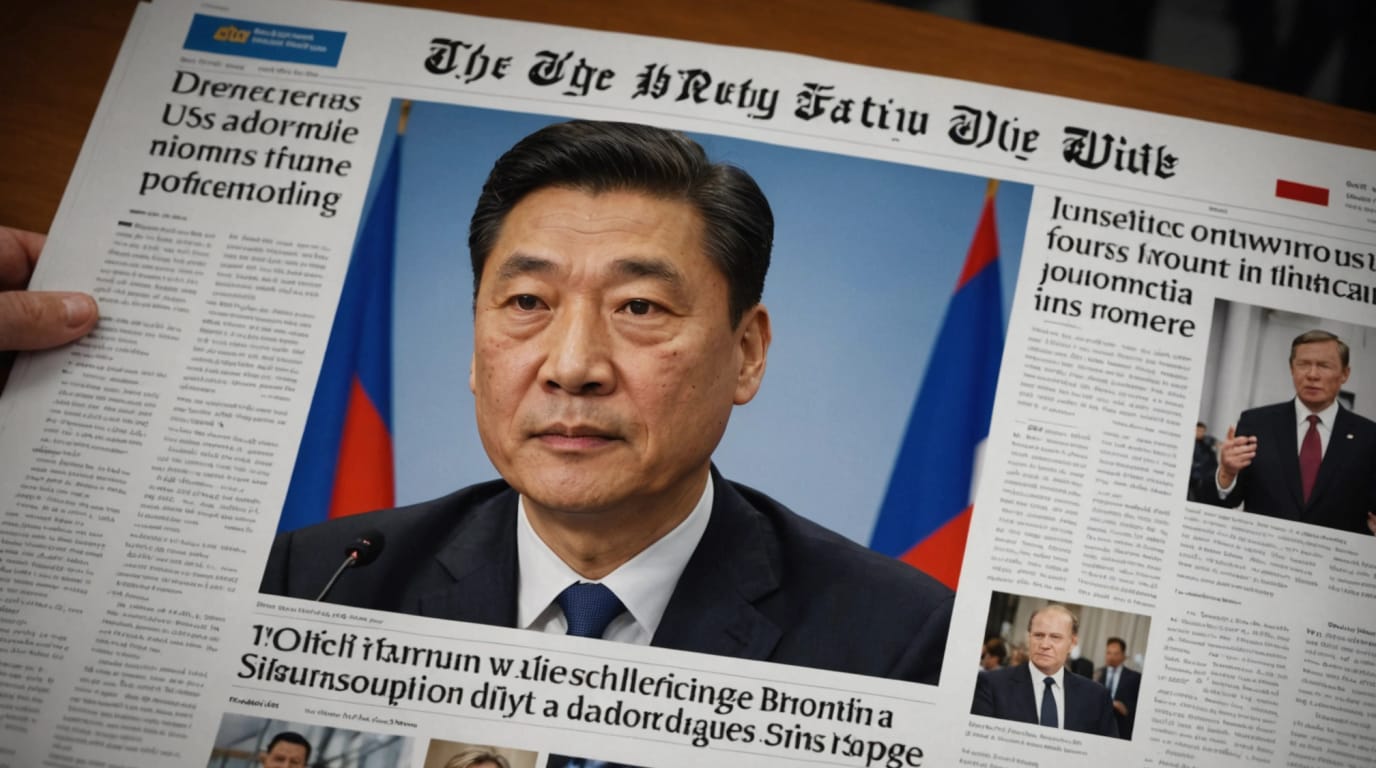
The decline in U.S. media outlets and international broadcasting efforts is creating a vacuum that could be filled by countries like China and Russia, according to the director general of Deutsche Welle (DW), Germany's international broadcaster. This warning comes amid growing concerns about the spread of disinformation and the erosion of democratic values worldwide. The potential consequences of a diminished U.S. media presence abroad could have far-reaching implications for global information flows and geopolitical influence.
The Shrinking Footprint of US Media
Over the past decade, numerous U.S. media organizations have faced significant financial challenges, leading to staff reductions, bureau closures, and a decreased focus on international news. This trend has been exacerbated by the rise of digital media and the changing consumption habits of audiences. As a result, many regions of the world that once relied on U.S. news sources for information are now seeing a decline in coverage.
The Voice of America (VOA), the U.S. government-funded international broadcaster, has also faced budget cuts and restructuring in recent years. While VOA continues to operate in multiple languages and reach audiences worldwide, its overall impact has been diminished by these challenges. The reduction in resources has made it more difficult for VOA to compete with state-backed media outlets from countries like China and Russia, which have been expanding their global reach.
China and Russia's Expanding Media Influence
In contrast to the declining U.S. media presence, China and Russia have been investing heavily in their international broadcasting capabilities. These countries see media as a strategic tool for promoting their narratives, shaping global public opinion, and advancing their geopolitical interests.
China's state-owned media outlets, such as China Global Television Network (CGTN) and Xinhua News Agency, have expanded their reach through satellite television, online platforms, and partnerships with local media organizations. These outlets often present a positive view of China's economic development, political system, and foreign policy, while downplaying or ignoring criticisms of the government.
Russia's RT (formerly Russia Today) and Sputnik news agency have also gained a significant international audience. These outlets are known for their provocative and often controversial reporting, which frequently challenges Western narratives and promotes alternative viewpoints. While RT and Sputnik claim to offer a different perspective on world events, critics accuse them of spreading disinformation and propaganda.
The Dangers of a Global Information Vacuum
The decline in U.S. media and the rise of Chinese and Russian media create a global information vacuum that can be exploited by authoritarian regimes. When reliable and independent news sources are scarce, it becomes easier for governments to control the flow of information and manipulate public opinion. This can have serious consequences for democracy, human rights, and international security.
In countries where media freedom is already restricted, the presence of Chinese and Russian media can further limit the diversity of viewpoints and stifle critical voices. These outlets often promote a narrative that supports the ruling regime and discourages dissent. This can make it more difficult for citizens to hold their governments accountable and advocate for change.
The spread of disinformation is another major concern. Chinese and Russian media outlets have been accused of spreading false or misleading information about a variety of topics, including elections, public health, and international conflicts. This disinformation can undermine trust in institutions, sow discord, and even incite violence.
The Need for a Renewed US Commitment
To counter the growing influence of China and Russia in the global media landscape, the United States needs to renew its commitment to international broadcasting and support for independent media. This includes increasing funding for VOA and other U.S. government-funded media outlets, as well as providing assistance to independent journalists and media organizations in countries where press freedom is under threat.
The U.S. should also work with its allies to promote media literacy and combat disinformation. This includes educating citizens about how to identify and evaluate credible sources of information, as well as developing strategies for countering the spread of false narratives online.
Furthermore, the U.S. needs to address the underlying economic challenges facing its own media industry. This includes exploring new business models for news organizations, supporting local journalism, and promoting media innovation. A strong and vibrant domestic media is essential for informing the public and holding power accountable.
Implications for Global Security
The competition for influence in the global information space has significant implications for international security. When countries are able to control the narrative and shape public opinion, they can gain a strategic advantage in geopolitical conflicts. This is particularly true in the age of social media, where information can spread rapidly and influence events on the ground.
The U.S. needs to recognize that information warfare is a key component of modern conflict. This means investing in the tools and strategies necessary to counter disinformation, promote accurate reporting, and protect the integrity of the information environment. It also means working with allies to develop a coordinated response to foreign interference in democratic processes.
Conclusion
The warning from the DW chief highlights the urgent need for the U.S. to address the decline in its media presence abroad. The rise of Chinese and Russian media poses a significant challenge to the free flow of information and the promotion of democratic values. By renewing its commitment to international broadcasting, supporting independent media, and combating disinformation, the U.S. can help ensure that the global information space remains open, diverse, and resilient. The future of democracy and international security may depend on it.


