US Presses Hamas to Free Hostages Under 'Bridge' Ceasefire Plan
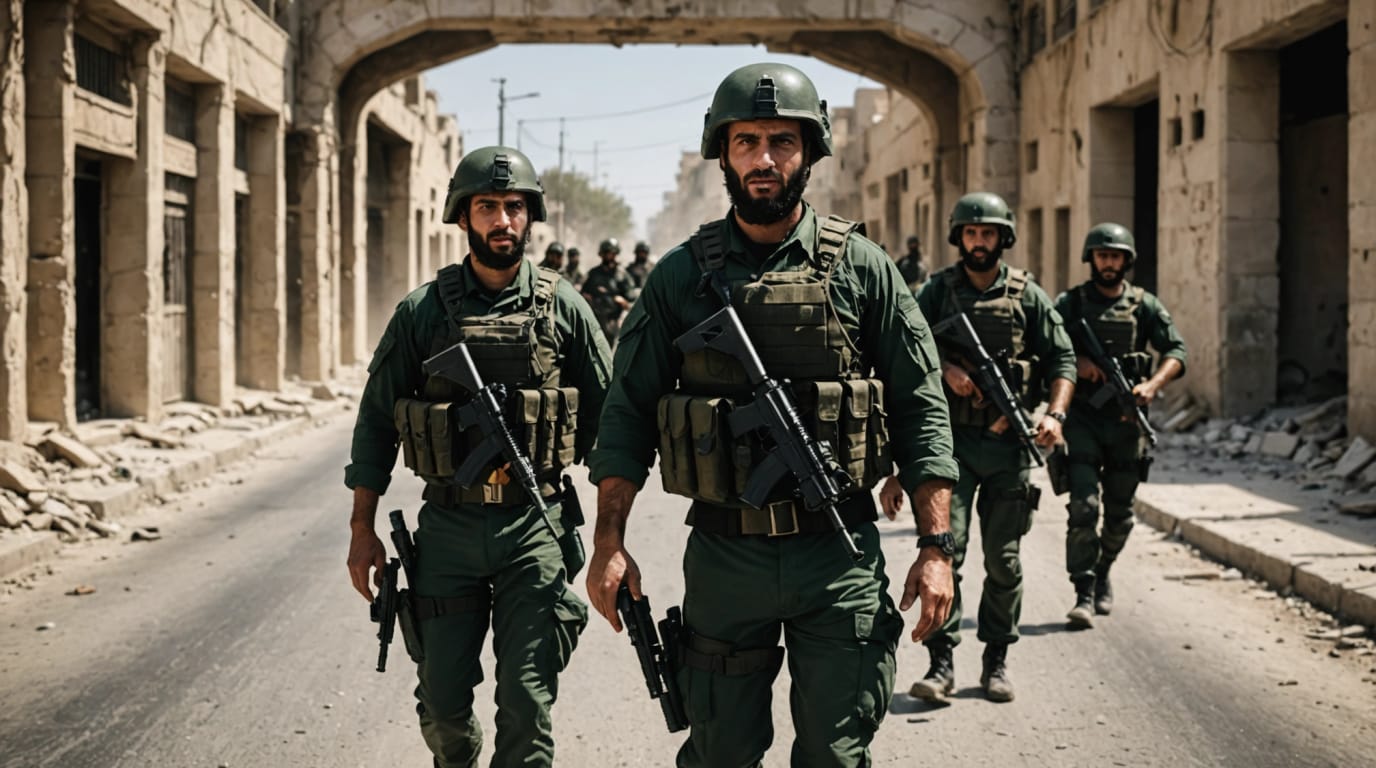
DOHA, Qatar – The United States is intensifying efforts to secure the release of remaining hostages held by Hamas in Gaza, proposing a "bridge" ceasefire plan aimed at extending the current truce and paving the way for a permanent resolution to the conflict. The proposal comes as negotiations between Israel and Hamas have stalled, raising concerns about the fragile ceasefire and the humanitarian crisis in Gaza.
The 'Bridge' Proposal
US Special Envoy Steve Witkoff and National Security Council official Eric Tager presented the "bridge" proposal in Qatar on Wednesday, according to a statement from their offices. The plan seeks to extend the existing ceasefire beyond the religious observances of Ramadan and Passover, providing a window for negotiating a lasting end to the conflict.
Under the proposal, Hamas would continue to release living hostages in exchange for Palestinian prisoners, adhering to a previously agreed-upon formula. The initial phase of the ceasefire would be prolonged to facilitate the resumption of substantial humanitarian aid to Gaza. The United States would then work towards a durable solution to the conflict during the extended ceasefire period.
Hamas's Response and US Frustration
Hamas initially signaled a willingness to release Edan Alexander, a dual US-Israeli citizen believed to be the last living American hostage, along with the remains of four other deceased hostages. However, US officials have expressed frustration with Hamas's subsequent demands, which they deem "entirely impractical" without a permanent ceasefire agreement.
The White House accused Hamas of stalling and making "very bad bet that time is on its side." Officials emphasized that Hamas is aware of the deadline for the proposed extension and will face consequences if it is not met. President Donald Trump has vowed that Hamas will "pay a severe price" for failing to release the hostages.
Israel's Position and Concerns
Israeli Prime Minister Benjamin Netanyahu's office stated that Israel had accepted the "Witkoff framework" but accused Hamas of engaging in "psychological warfare against hostage families." Netanyahu convened his ministerial team to discuss the situation and determine further steps to secure the hostages' release and achieve Israel's war objectives.
Israel has maintained a strict blockade of Gaza, citing security concerns. Hamas officials have stated that their agreement to release the American-Israeli hostage and the four bodies is conditional on opening border crossings and lifting the blockade.
Humanitarian Crisis in Gaza
The ongoing conflict has created a dire humanitarian situation in Gaza, with widespread shortages of food, water, and medical supplies. International organizations have warned of a looming famine and called for increased humanitarian access.
The "bridge" proposal aims to address the humanitarian crisis by extending the ceasefire and allowing for the resumption of significant aid deliveries to Gaza. However, the success of this effort hinges on the cooperation of both Hamas and Israel.
Broader Implications and Future Prospects
The US-led effort to extend the ceasefire and secure the release of hostages reflects the international community's growing concern over the protracted conflict in Gaza. The "bridge" proposal represents a potential pathway towards a more sustainable resolution, but significant challenges remain.
The willingness of both Hamas and Israel to compromise will be crucial in determining whether the ceasefire can be extended and a lasting peace agreement can be reached. The United States, along with mediators from Qatar and Egypt, continues to play a vital role in facilitating negotiations and bridging the gap between the two sides.
The coming days will be critical in determining the fate of the "bridge" proposal and the future of the conflict in Gaza. The world is watching closely, hoping for a breakthrough that can alleviate the suffering of civilians and pave the way for a more peaceful future.


