US Pushes for Israel-Lebanon Peace Talks Amid Widening Regional Conflict
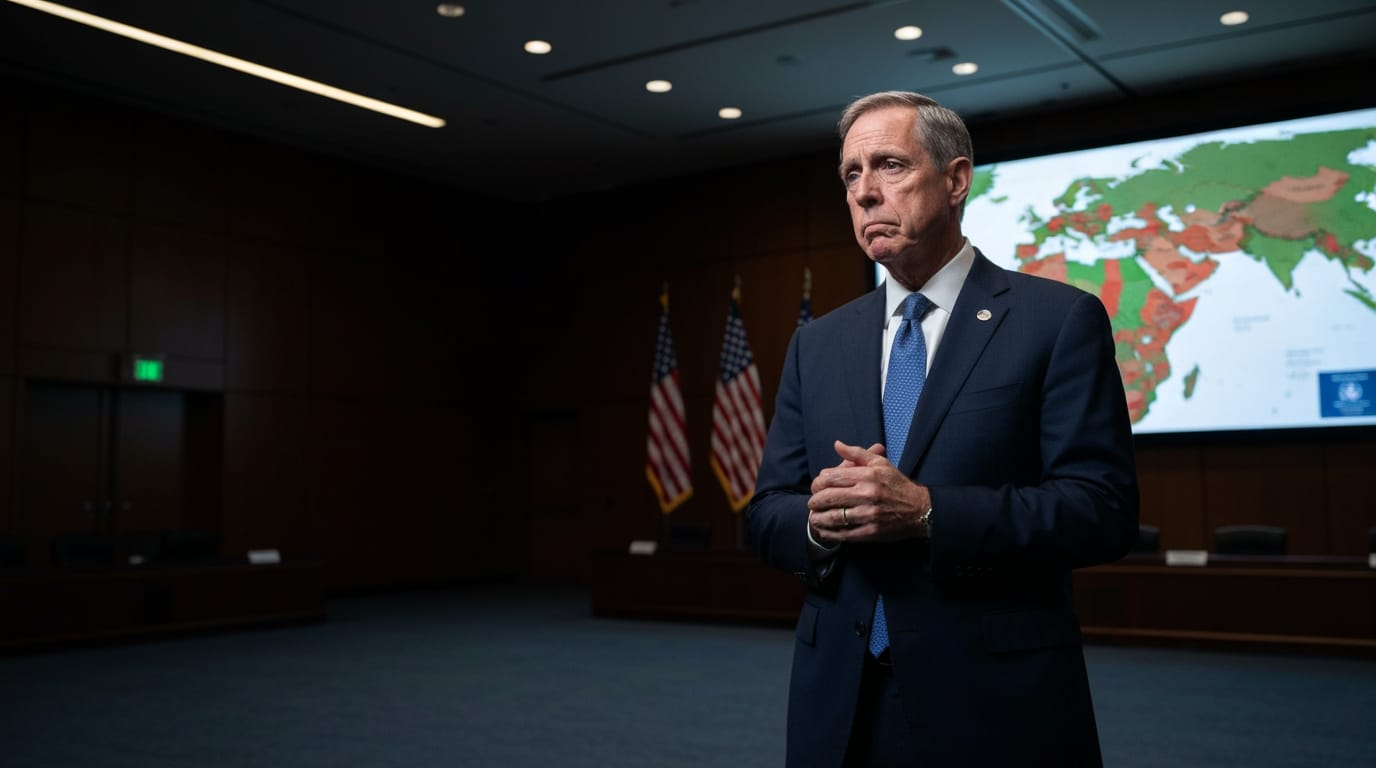
Washington D.C., April 10, 2026 – The United States is set to host high-stakes peace talks between Israel and Lebanon next week, a diplomatic push aimed at de-escalating intense hostilities that threaten to unravel a fragile ceasefire between the U.S. and Iran. The urgent diplomatic initiative comes as Israeli military operations in Lebanon have killed hundreds and deepened concerns over a burgeoning regional conflict, intensifying pressure on all parties to find a path to stability.
The proposed talks, confirmed by a U.S. State Department official, will take place in Washington amid a volatile landscape marked by Israel’s heaviest strikes on Lebanon since the Iran-backed Hezbollah group entered a broader Middle East conflict in early March. These Israeli operations have rattled an uneasy truce between Washington and Tehran, which had been in effect for less than 48 hours. The U.S. frames the upcoming discussions as an essential step toward achieving a lasting de-escalation, though significant hurdles remain, particularly regarding the ongoing Israeli military actions and Lebanon's precondition for a full ceasefire.
The Shadow of a Broader Conflict
The current push for negotiations is overshadowed by what many observers describe as a "war brewing between the United States and Israel against Iran." The regional conflagration escalated dramatically in February 2026, following a joint U.S.-Israeli strike that killed Iran's Supreme Leader Ayatollah Ali Khamenei. This event prompted immediate retaliatory strikes by Hezbollah against Israel, further entangling Lebanon in the wider geopolitical struggle.
U.S. President Donald Trump had recently claimed a victory in securing a two-week truce with Iran, intended to pave the way for broader peace negotiations. However, the terms of this ceasefire have become a point of contention. While the U.S. and Israel maintain that the agreement does not cover the fighting in Lebanon, Iran and its allies insist that Lebanon must be included in any comprehensive ceasefire framework. This fundamental disagreement highlights the complexity of disentangling the various fronts of the conflict. German Chancellor Friedrich Merz has warned that the severity of Israel's actions in Lebanon could jeopardize the entire peace process, a sentiment echoed by British Prime Minister Keir Starmer, who disputed Israel's interpretation of the ceasefire's scope.
Israel's Objectives and Lebanon's Conditions
Israeli Prime Minister Benjamin Netanyahu has publicly instructed his ministers to seek direct talks with Lebanon, with a primary focus on the disarmament of the Iran-backed Hezbollah group and establishing enduring peace along their shared border. This objective reflects Israel's long-standing security concerns regarding Hezbollah's formidable military capabilities and its presence in southern Lebanon. Indeed, Hezbollah has been launching rockets into northern Israel, some reportedly coordinated with Iranian missile attacks, reinforcing Israel's stated need to neutralize the threat. Israel's Chief of Staff Eyal Zamir has asserted that Hezbollah has suffered a "heavy blow" from recent strikes, even as operations continue.
However, Lebanon's government has set a crucial precondition for engaging in the U.S.-hosted discussions: a full cessation of hostilities. A Lebanese official emphasized that Beirut requires a truce before any negotiations with Israel can commence, underscoring the severe impact of the ongoing Israeli military campaign on Lebanese civilians and infrastructure. Reports from Beirut describe widespread devastation, with rescue teams tirelessly searching for missing persons amidst the rubble, providing a stark human-interest dimension to the conflict. This stance reflects the internal dynamics within Lebanon, where Hezbollah's actions, while supported by a segment of the population, are increasingly viewed by the Lebanese government as "unlawful" and not authorized by the state.
A History of Disputed Borders and Diplomatic Efforts
The upcoming talks are not the first instance of U.S. mediation between the two rival nations, which technically remain in a state of war. Previous U.S. diplomatic efforts successfully led to a historic maritime border agreement in October 2022, resolving a long-running dispute over offshore gas fields. That agreement allowed both countries to exploit natural resources in the Mediterranean, a testament to the potential for diplomatic solutions even between entrenched adversaries. However, that deal primarily addressed maritime boundaries, leaving the contentious land border, known as the Blue Line, largely unresolved.
The land border has been a persistent source of tension, with several disputed points and areas where Israeli forces have remained deployed. Past discussions have aimed at delineating the Blue Line and addressing issues such as the release of Lebanese prisoners, highlighting the multifaceted nature of the conflict beyond direct military engagements. The durability of the 2022 maritime agreement itself is now being questioned due to the renewed hostilities, with some Israeli officials advocating for its termination over security concerns.
Hezbollah's Enduring Influence
At the heart of the current crisis is Hezbollah, a powerful Shiite political party and militant group that wields significant influence in Lebanon. Founded during the Lebanese Civil War with substantial support from Iran, Hezbollah has positioned itself as a "state within a state," maintaining an independent military force that often operates beyond the control of the central Lebanese government. Its stated primary objective is resistance against Israel and opposition to Western influence in the region, aligning closely with Iran's strategic objectives.
Despite a 2024 Israeli military campaign that reportedly weakened the group, Hezbollah remains a potent force, actively participating in the ongoing hostilities. Its deep integration into Lebanese society, through both military prowess and the provision of social services, complicates any efforts to disarm it or to negotiate directly with Lebanon without acknowledging its role. Hezbollah's leadership has explicitly rejected any negotiations with Israel while active hostilities persist, further underscoring the intricate web of actors and demands that U.S. mediators will confront.
A Precarious Path Forward
The upcoming U.S.-hosted talks represent a critical, albeit precarious, opportunity to halt a dangerous escalation that risks plunging the wider Middle East into deeper turmoil. With neither Israel nor Lebanon having publicly confirmed their participation, and with a significant gap in their preconditions for dialogue, the path to a meaningful resolution is fraught with challenges. The efficacy of the talks will depend not only on the diplomatic skill of the mediators but also on the willingness of all regional and international actors, including Iran, to genuinely de-escalate tensions and prioritize long-term stability over immediate strategic gains. The humanitarian cost of continued conflict, evident in the recent casualties in Lebanon, adds immense pressure to find a diplomatic off-ramp before the fragile regional situation deteriorates further.


