US Reaffirms 'Ironclad' Support for Philippines Amid Rising China Tensions
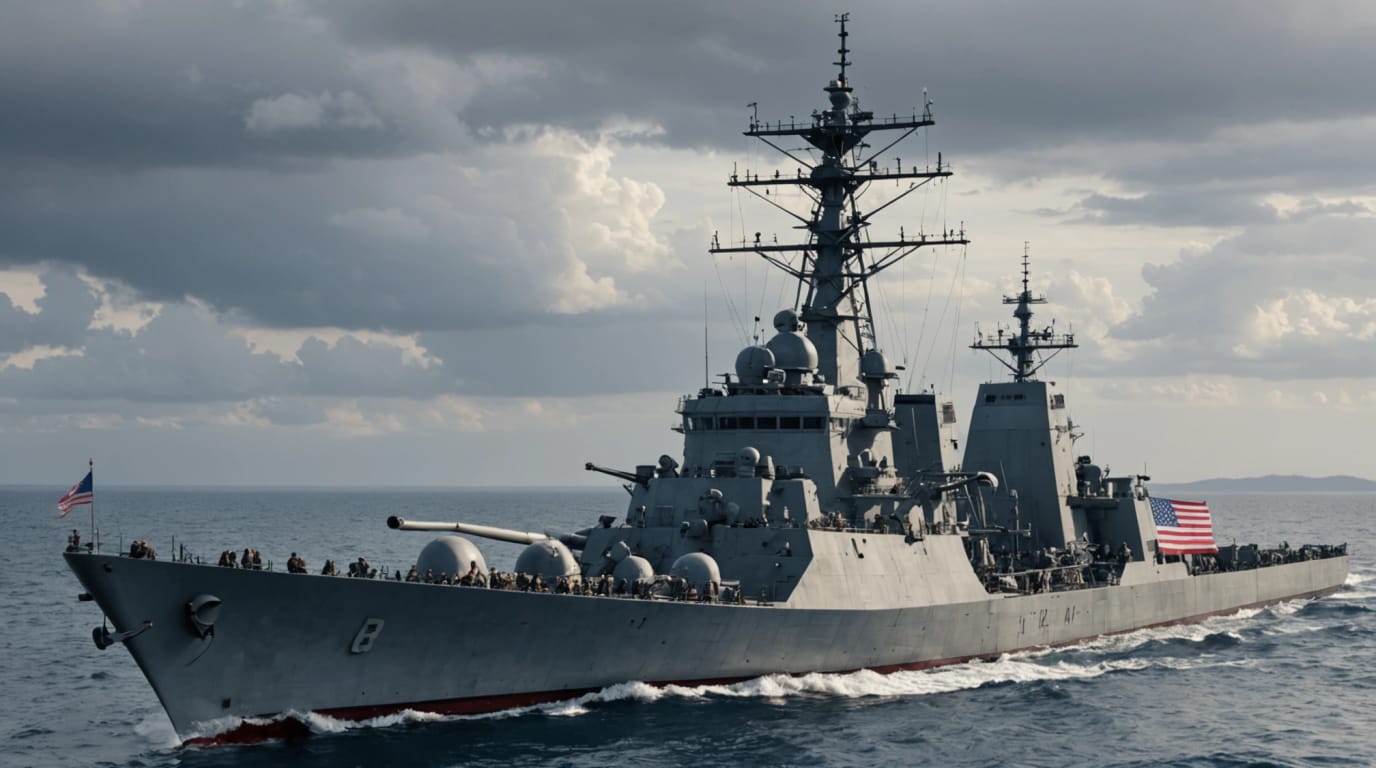
MANILA – U.S. Defense Secretary Pete Hegseth has reaffirmed the United States' unwavering commitment to the Philippines, emphasizing the importance of the alliance in the face of growing concerns over China's activities in the South China Sea. The pledge, made during Hegseth's visit to Manila, underscores the deepening defense cooperation between the two nations and signals a united front against perceived threats to regional stability.
Hegseth met with Philippine President Ferdinand Marcos Jr. on Friday, conveying the "ironclad commitment" of the U.S. to the Mutual Defense Treaty. This treaty, in place for over 70 years, obligates both countries to come to each other's defense in case of an armed attack. Hegseth's visit, the first stop on his Asia trip, is viewed as a strong message of solidarity and a commitment to maintaining peace in the Indo-Pacific region.
Deterrence Against China
During the meeting, Hegseth directly addressed the perceived threat from China, stating, "Deterrence is necessary around the world, but specifically in this region, in your country, considering the threats from the communist Chinese." He emphasized the need for the U.S. and the Philippines to "stand shoulder to shoulder to deter conflict" and ensure freedom of navigation in the South China Sea, also referred to as the West Philippine Sea by Filipinos.
Hegseth praised the Philippines for its firm stance in defending its interests in the contested waters. China claims almost the entire South China Sea, a crucial waterway for global trade, despite an international ruling that invalidated its sweeping claims. This has led to increased tensions and confrontations between Chinese and Philippine vessels in recent years.
Strengthening Military Ties
The U.S. has been actively strengthening its alliances in the Asia-Pacific region in response to China's growing influence. Since Marcos took office in 2022, Manila and Washington have deepened their defense cooperation, pushing back against Beijing's expansive claims in the South China Sea.
This cooperation includes increased sharing of military intelligence and expanding the number of Philippine bases that U.S. troops have access to, now totaling nine. This enhanced military presence and collaboration are seen as crucial for maintaining regional security, especially given the Philippines' proximity to Taiwan and its surrounding waters.
Mutual Defense Treaty
Top U.S. officials have repeatedly warned that an "armed attack" against the Philippines in the South China Sea would trigger the Mutual Defense Treaty, obligating the U.S. to respond. Hegseth reiterated this commitment, assuring the Philippines of Washington's unwavering support.
Marcos acknowledged the significance of Hegseth's visit, stating that it "sends a very strong message of the commitment of both our countries to continue to work together to maintain the peace in the Indo-Pacific region, within the South China Sea."
China's Response
China has responded to the growing U.S.-Philippines alliance with caution. A Chinese foreign ministry spokesperson stated that cooperation between the two countries should not target third parties and that the Philippines should not initiate conflict in the South China Sea with U.S. backing.
Implications and Future Outlook
The U.S.'s reaffirmed commitment to the Philippines has significant implications for the regional balance of power. It sends a clear message to China that the U.S. is committed to defending its allies and upholding international law in the South China Sea.
The strengthened military ties between the U.S. and the Philippines are likely to continue, with further expansion of joint military exercises, intelligence sharing, and infrastructure development at Philippine bases. This enhanced cooperation aims to deter potential Chinese aggression and ensure the stability of the region.
The situation in the South China Sea remains complex and volatile. While the U.S. commitment provides a sense of security to the Philippines, it also risks further escalating tensions with China. Diplomatic efforts and open communication channels are crucial to managing these tensions and preventing potential conflict. The U.S. and the Philippines are walking a tightrope, balancing the need to deter aggression with the imperative to maintain peaceful relations with a major global power.


