US Revokes All Visas for South Sudanese Nationals Over Deportation Dispute
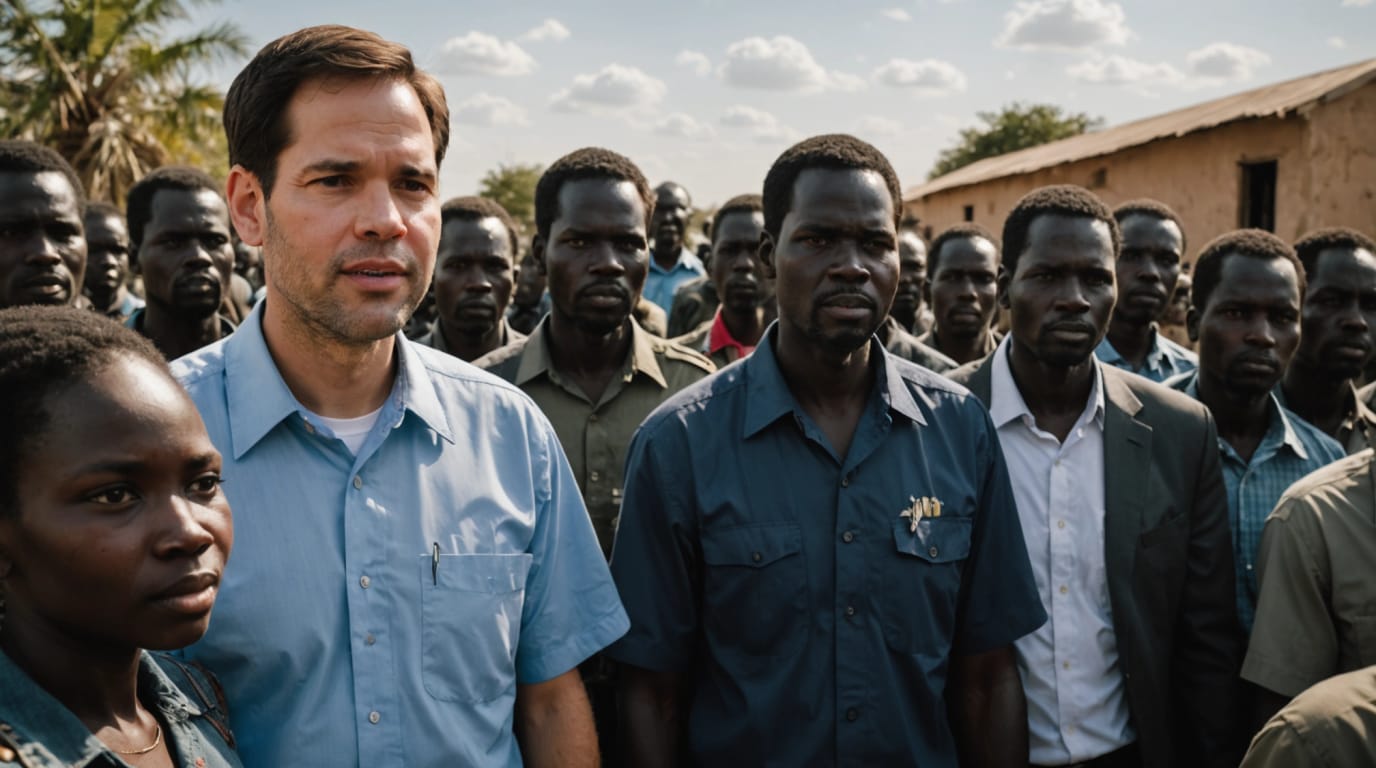
The United States has revoked all visas held by South Sudanese passport holders, effective immediately, Secretary of State Marco Rubio announced Saturday. The drastic measure comes in response to what the U.S. government describes as South Sudan's failure to cooperate in accepting the return of its own nationals who have been ordered deported from the United States. The move signals a significant escalation in the Trump administration's stance on immigration enforcement and its willingness to use visa restrictions as a tool to compel other countries to comply with U.S. deportation policies.
Rubio Accuses South Sudan of Exploitation
In a strongly worded statement, Rubio accused South Sudan's transitional government of "taking advantage of the United States" and undermining national security. He emphasized the importance of enforcing U.S. immigration laws and ensuring that all countries accept the return of their citizens when the U.S. seeks to remove them. The State Department said the decision was made after repeated instances where South Sudan refused to accept its citizens who had been ordered removed from the U.S., a requirement under international norms and bilateral agreements.
Immediate Impact on South Sudanese Nationals
The visa revocations affect all South Sudanese nationals currently holding U.S. visas, including students, business travelers, and those visiting family. The State Department has also instructed U.S. embassies and consulates to cease issuing new visas to South Sudanese passport holders until further notice. This suspension will impact South Sudanese citizens seeking to travel to the U.S. for education, business, tourism, or family visits. The sudden nature of the announcement has left many South Sudanese individuals scrambling to understand the implications for their travel plans and their ability to remain in the United States.
Broader Implications for Immigration Policy
This action is consistent with the Trump administration's broader efforts to tighten immigration enforcement and pressure countries to cooperate with U.S. deportation efforts. The administration has previously imposed visa restrictions on other countries deemed uncooperative in accepting deportees. Rubio stated that the restrictions could be lifted if South Sudan demonstrates full cooperation with U.S. repatriation procedures. This suggests that the U.S. government is willing to use visa policy as leverage to achieve its immigration enforcement goals.
Concerns and Criticisms
The decision has already drawn criticism from some human rights organizations and immigration advocates, who argue that it could have unintended consequences for innocent South Sudanese citizens. Some worry that the blanket revocation of visas could harm students pursuing education in the U.S., professionals contributing to the American economy, and individuals seeking medical treatment or family reunification. Critics also argue that the U.S. should work with South Sudan to address any challenges in the repatriation process rather than resorting to punitive measures that could harm the country's citizens.
South Sudan's Response
As of Saturday night, there has been no official response from the South Sudanese government. It remains to be seen how South Sudan will react to the U.S. decision and whether it will take steps to address the concerns raised by the U.S. government regarding the acceptance of deportees. The situation could potentially strain relations between the two countries, which have historically been partners in various areas, including humanitarian assistance and security cooperation.
Looking Ahead
The U.S. government's decision to revoke all visas for South Sudanese nationals marks a significant development in its immigration enforcement policies. The situation highlights the complexities of international cooperation on immigration matters and the potential for visa restrictions to be used as a tool to achieve policy objectives. The impact of this decision on South Sudanese citizens and the future of U.S.-South Sudan relations remains to be seen. The State Department said it will review the actions when South Sudan is in full cooperation.


