US Scrambles for Egg Imports Amid Bird Flu Crisis, Turns to Denmark
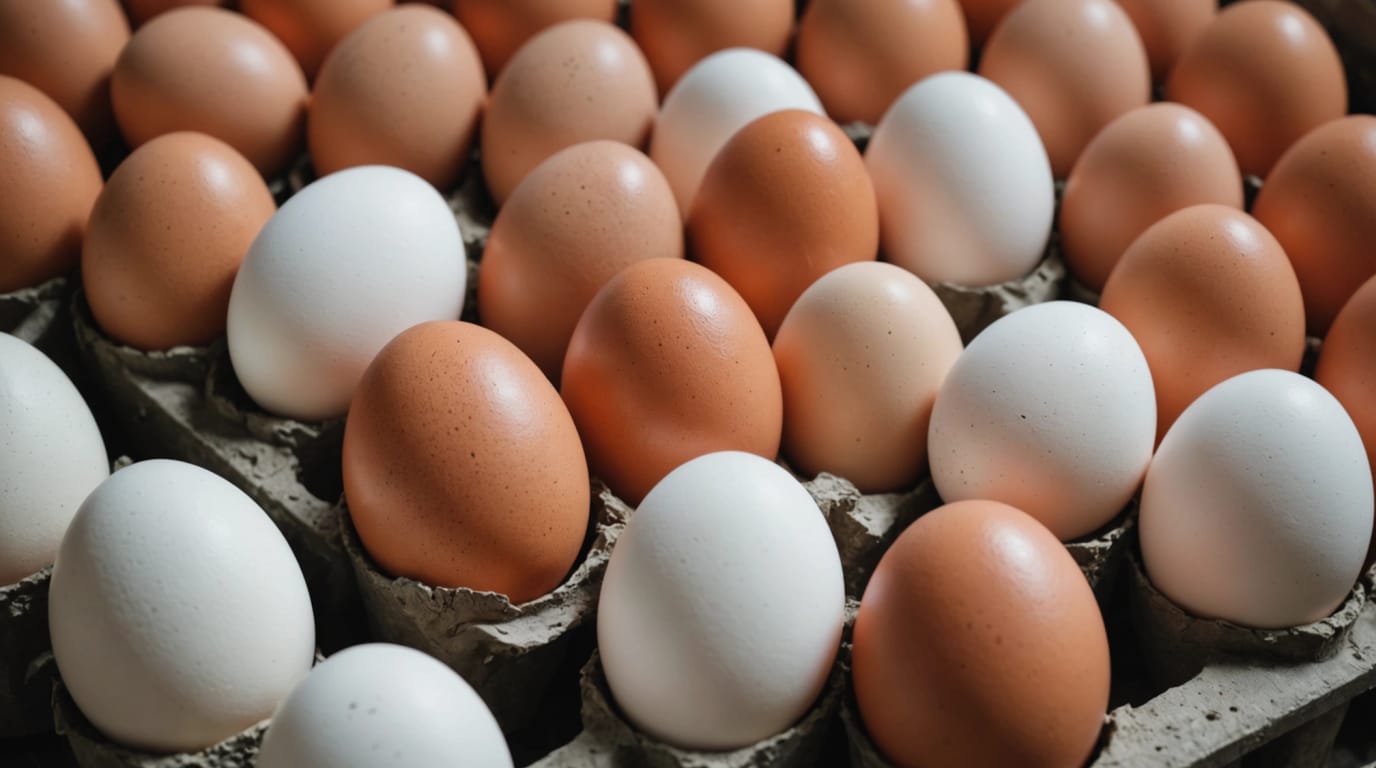
The United States is facing a significant egg shortage, driving the Trump administration to seek assistance from international partners, including Denmark. The unusual request comes as the U.S. grapples with a persistent avian flu outbreak that has decimated domestic poultry flocks and sent egg prices soaring. The situation is further complicated by ongoing trade disputes and President Trump's controversial interest in acquiring Greenland, a Danish territory.
Avian Flu Devastates US Egg Supply
Since 2022, the United States has been battling a severe outbreak of avian influenza, commonly known as bird flu. The highly contagious virus has led to the culling of over 150 million birds, including more than 30 million laying hens this year alone. This drastic reduction in the national flock has crippled egg production, leading to shortages and unprecedented price hikes for consumers.
In February, egg prices surged 59% compared to the previous year, reaching as high as $8 a dozen in some areas. While prices have recently fallen to around $4.90 a dozen, they remain significantly elevated compared to pre-outbreak levels. The USDA is actively seeking solutions to stabilize the egg market and ensure a consistent supply for American consumers.
Desperate Measures: Seeking International Assistance
Faced with dwindling domestic supplies, the U.S. Department of Agriculture (USDA) has reached out to several European countries, including Denmark, the Netherlands, Sweden, and Finland, to explore the possibility of importing eggs. A USDA representative in Europe sent formal inquiries in late February, seeking information on the countries' capacity and willingness to export eggs to the American market.
Jørgen Nyberg Larsen, sector manager for Danish Eggs, confirmed that the organization had been contacted by U.S. authorities requesting information on how many eggs Denmark could supply. Ivan Noes Jørgensen, CEO of Dava Foods, also acknowledged the severe egg shortage in the U.S. and confirmed that his company had received a similar request.
Trade Barriers and Regulatory Hurdles
Despite the urgent need for egg imports, significant obstacles stand in the way. European egg producers face stringent U.S. import requirements related to hygiene and other factors. Henrik Pedersen, CEO of Ovodan Foods, expressed skepticism about the feasibility of large-scale exports, citing existing trade barriers. He stated that unless the requirements are eased, major exports are unlikely.
The timing of the U.S. request is also awkward, given the Trump administration's imposition of tariffs on various countries, including those in Europe. These trade tensions could further complicate efforts to secure egg imports and potentially increase costs for American consumers.
Greenland and Geopolitical Tensions
Adding another layer of complexity to the situation is President Trump's continued interest in acquiring Greenland. His repeated suggestions of purchasing the autonomous Danish territory have sparked outrage in Denmark and strained diplomatic relations between the two countries.
The U.S. request for egg imports from Denmark, while simultaneously pursuing the acquisition of Greenland, presents a delicate diplomatic challenge. Some observers suggest that Trump's pursuit of Greenland could be a negotiating tactic to secure more favorable trade terms with Denmark and the European Union.
Trump's Promises and the Reality of Egg Prices
During his election campaign, President Trump vowed to address rising egg prices "on day one" of his administration. However, despite his promises, egg prices have remained volatile and elevated due to the ongoing bird flu outbreak.
The Trump administration has allocated approximately $1 billion to support the poultry industry, including $500 million for enhanced biosecurity measures to prevent the spread of avian flu. It remains to be seen whether these measures will be effective in controlling the outbreak and stabilizing egg production in the long term.
Conclusion: A Complex Situation
The U.S. egg shortage is a multifaceted problem stemming from the devastating avian flu outbreak, trade tensions, and geopolitical considerations. The Trump administration's efforts to secure egg imports from Denmark and other European countries are complicated by existing trade barriers and strained diplomatic relations. While the situation remains fluid, it is clear that resolving the egg crisis will require a comprehensive approach that addresses both the immediate supply shortage and the underlying factors contributing to the problem.


