US-South Africa Relations at a Crossroads Amid Geopolitical Shifts
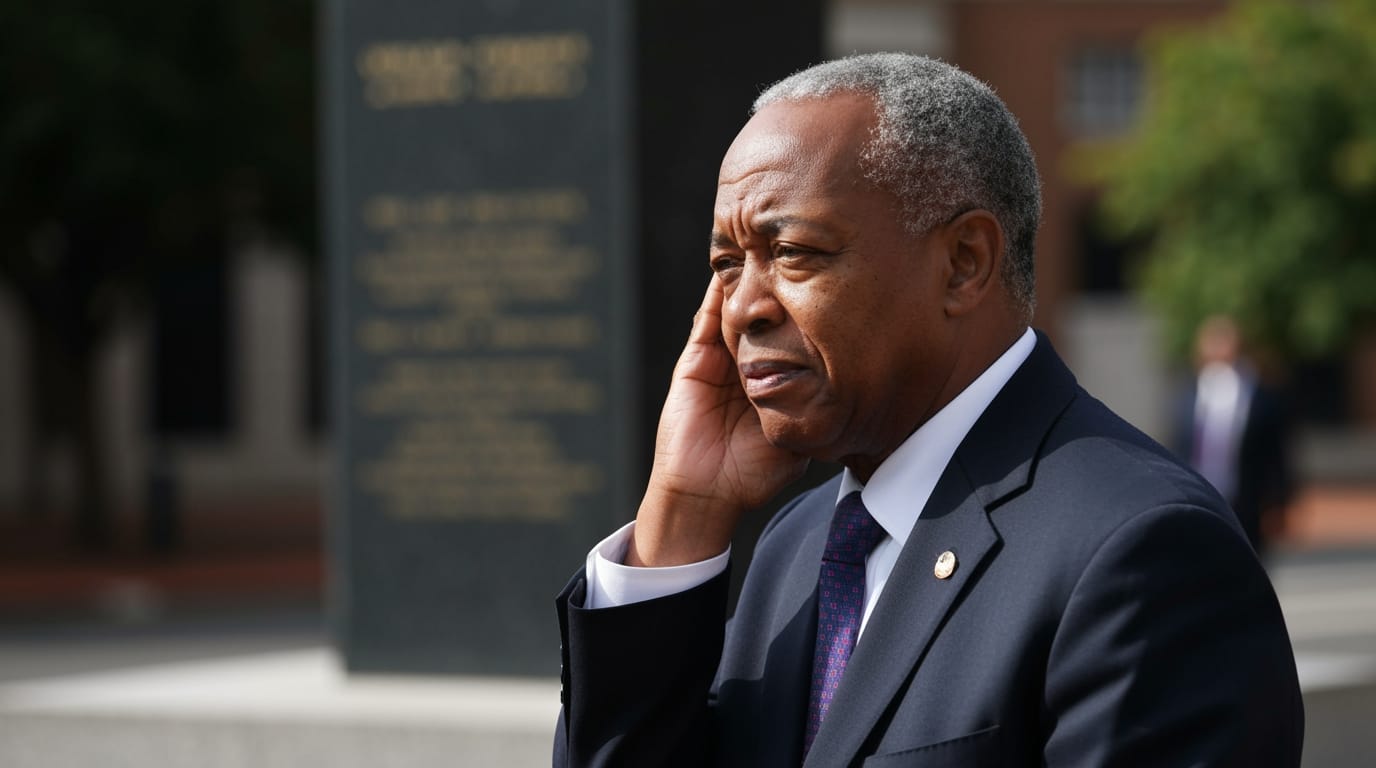
The long-standing, albeit occasionally strained, relationship between the United States and South Africa has entered its most turbulent phase since the end of apartheid, marked by growing diplomatic friction and economic uncertainty. Once a partnership defined by cooperation across trade, health, and diplomacy, the two nations now find themselves increasingly at odds over fundamental foreign policy stances, particularly regarding the Russia-Ukraine war, South Africa's alignment with the BRICS bloc, and its legal actions concerning the Israel-Gaza conflict. This widening chasm threatens to reshape geopolitical dynamics in Africa and beyond, with significant implications for both countries' strategic interests and economic ties.
A Partnership Under Pressure: From Post-Apartheid Optimism to Current Disquiet
Following the dismantling of apartheid in 1994, the United States and South Africa cultivated a strategically, politically, and economically beneficial relationship, characterized by generally cordial ties despite occasional disagreements. Economic linkages between the two nations trace back to the late 18th century, with the US remaining South Africa's largest trading partner in Africa as recently as 2019. However, this foundation has been eroded significantly in recent years. The deterioration intensified particularly after 2022, fueled by a series of events that have tested the limits of their diplomatic engagement. While the Biden administration saw relations "quietly drift into disrepair," a more confrontational approach has been observed following the return of President Donald Trump to office, marked by executive actions, trade restrictions, and pointed rhetoric.
The Ukraine War and the "Lady R" Incident: A Test of Neutrality
A primary catalyst for the current strain has been South Africa's officially non-aligned stance on Russia's 2022 invasion of Ukraine. While the United States strongly supported Ukraine and criticized Russia's actions, South Africa adopted a policy that Washington perceived as "friendlier towards Russia" by avoiding criticism of Moscow and calling for a negotiated compromise that considered Russia's security concerns. This neutrality was put under intense scrutiny following several contentious incidents. In December 2022, the US-sanctioned Russian cargo ship, Lady R, secretly docked at South Africa's Simon's Town naval base. US Ambassador Reuben Brigety publicly accused South Africa of secretly loading arms onto the vessel for Russia during its three-day port call, an allegation South Africa vehemently denied. South Africa launched an investigation, which reportedly concluded that no weapons were transported from South Africa to Russia, a finding acknowledged by the White House.
Further exacerbating tensions, South Africa hosted joint naval exercises, dubbed Mosi II, with Russia and China in February 2023, coinciding with the one-year anniversary of the Ukraine invasion. This, alongside reports of a US-sanctioned Russian military cargo plane landing at Waterkloof Air Force Base, solidified American policymakers' concerns about South Africa's deepening military ties with Russia. US lawmakers subsequently called for South Africa to face consequences for its perceived support of Russia, including potentially relocating the African Growth and Opportunity Act (AGOA) forum. South African officials, however, maintain that their non-alignment is an expression of sovereignty and not an anti-Western stance.
Geopolitical Realignment: BRICS, ICJ, and Shifting Alliances
Beyond the Ukraine conflict, South Africa's increasing engagement with the BRICS bloc (Brazil, Russia, India, China, and South Africa) has become another significant point of contention. The US views South Africa's deepening ties with BRICS as aligning with "anti-American interests". The recent expansion of BRICS to include countries like Egypt, Ethiopia, Iran, and the United Arab Emirates, with Saudi Arabia potentially joining, has further amplified US concerns about a shifting multilateral landscape and growing criticism of the United States' global role. South Africa, on its part, argues that its openness to engaging with various powers reflects its pursuit of a more equitable, multipolar world order and strategic autonomy.
The diplomatic rift deepened considerably with South Africa's decision to file a case against Israel at the International Court of Justice (ICJ) in December 2023, accusing it of genocide during its operations in Gaza. This action, strongly supported by many in the Global South, was perceived by Washington as further evidence of Pretoria aligning itself with US adversaries, despite South Africa's claim that its actions were aimed at upholding international law and protecting civilians.
Economic Repercussions and the Shadow of AGOA
The diplomatic fallout has tangible economic consequences, most notably concerning South Africa's eligibility for the African Growth and Opportunity Act (AGOA). AGOA provides eligible sub-Saharan African countries with duty-free access to the U.S. market for thousands of products, and South Africa has been a major beneficiary, exporting billions of dollars worth of goods under the program. US lawmakers, however, have questioned South Africa's continued eligibility, citing its actions regarding Russia and its foreign policy decisions. There is an ongoing debate about whether South Africa should be excluded from an AGOA renewal in 2025, a move that could punish the South African government for its perceived foreign policy choices.
The potential loss of AGOA benefits looms large. While some analyses suggest the overall economic impact on South Africa might be less catastrophic than commonly believed, particularly for the minerals and metals sector which is largely unaffected by AGOA tariffs, other sectors like automotive, fruit, vegetables, leather, and clothing would face significant contractions. Furthermore, the US under President Trump has reportedly threatened additional 10% tariffs on countries aligned with the BRICS grouping, directly impacting South Africa. Conversely, the US also relies on South Africa for critical minerals like chromium, manganese, titanium, and platinum, suggesting that leveraging AGOA as economic diplomacy could also serve US interests in securing these vital resources.
Conclusion: Navigating a Complex Geopolitical Landscape
The current trajectory of US-South Africa relations represents a significant departure from decades of cooperation, reflecting the complexities of a rapidly evolving multipolar world. South Africa's commitment to non-alignment and its pursuit of strategic autonomy have increasingly clashed with US expectations of allegiance, particularly concerning conflicts and alliances involving traditional rivals. While South Africa asserts its right to engage with all nations and uphold its sovereign foreign policy principles, the United States views Pretoria's actions as undermining its national interests and global security objectives. The ongoing diplomatic tensions, exacerbated by economic pressures and the shadow of trade repercussions like the potential loss of AGOA benefits, underscore the delicate balance both nations must navigate. The future of this relationship will depend on their ability to find common ground amidst divergent strategic priorities and ideological differences, or risk further estrangement with far-reaching consequences for regional stability and global power dynamics.


