US to Bolster European Deterrence with 5,000 Additional Troops to Poland, Trump Announces
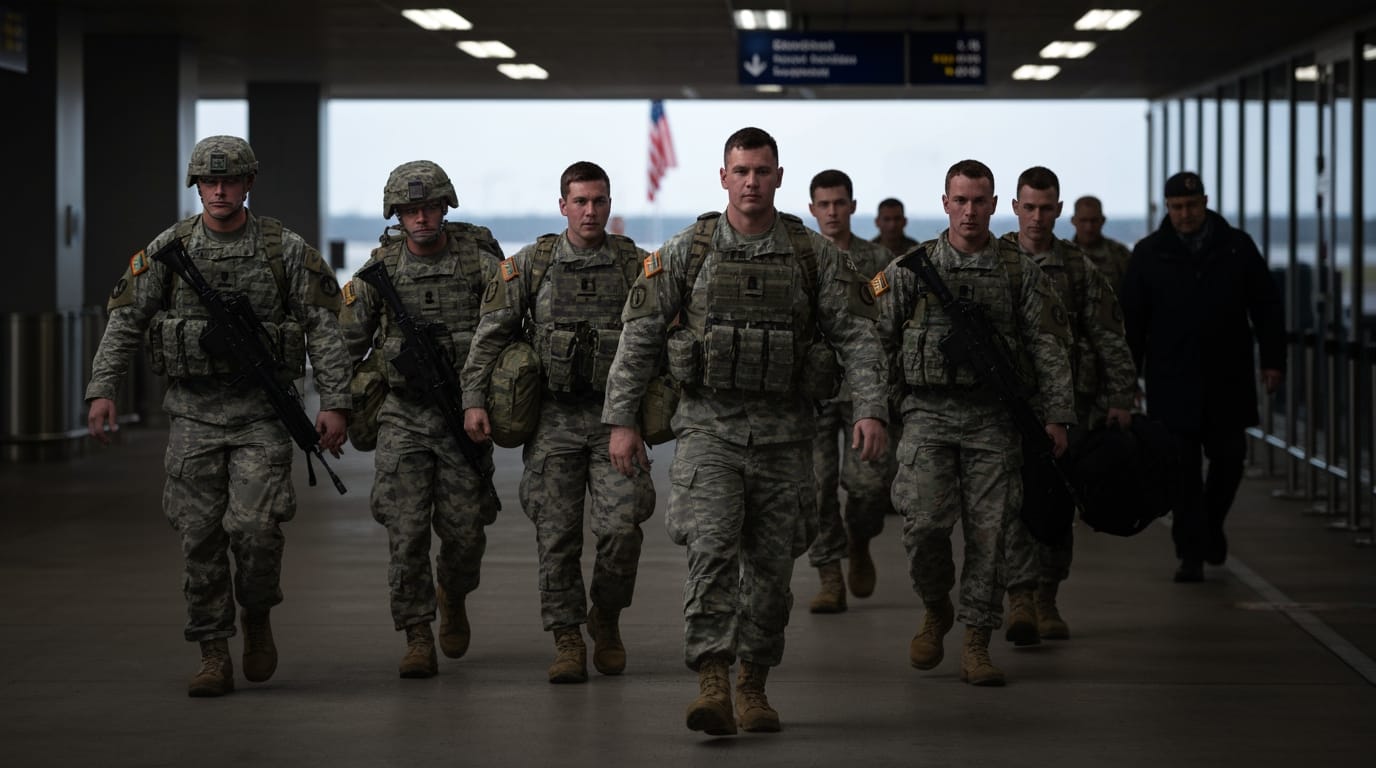
In a significant and unexpected development for transatlantic security, former U.S. President Donald Trump announced on Thursday, May 21, 2026, that the United States would send an additional 5,000 troops to Poland. This decision, conveyed via his Truth Social platform, was directly linked to the recent election of Polish President Karol Nawrocki, whom Trump had previously endorsed. The move marks a dramatic potential shift in U.S. military posture in Europe, coming shortly after the Pentagon had canceled a previously planned deployment of 4,000 troops to Poland and amidst broader discussions regarding the repositioning of American forces across the continent.
A Sudden Shift in European Defense Strategy
Trump's announcement arrived as a reversal of recent U.S. military planning regarding troop deployments to Poland. Just days prior, U.S. Vice President J.D. Vance had indicated that a U.S. troop deployment to Poland had been delayed, and the Pentagon had canceled a planned deployment of approximately 4,000 troops to the country. This earlier decision had reportedly caused surprise and concern among Polish officials. The former president's stated rationale for the new commitment centered on his relationship with the recently elected Polish President Karol Nawrocki, highlighting his pleasure regarding Nawrocki's successful election and their established rapport. Trump had hosted Nawrocki at the White House in May of the previous year and endorsed his candidacy ahead of the Polish presidential election, where Nawrocki, a conservative nationalist politician, ultimately defeated his pro-European, centrist opponent.
Poland's Enduring Pursuit of Enhanced Security
Poland has long been a vocal advocate for an increased and more permanent U.S. military presence on its soil, driven by its strategic location on NATO's eastern flank and its historical anxieties regarding Russian aggression. The nation borders both Ukraine and Belarus, placing it at the forefront of geopolitical tensions in Eastern Europe. Currently, approximately 10,000 U.S. military personnel are on rotation in Poland, constituting the second-largest American military presence in Europe after Germany. These forces operate as part of the enhanced Forward Presence (eFP) Battle Group and Armored Brigade Combat Teams under Operation Atlantic Resolve, primarily funded through the European Deterrence Initiative.
During Trump's previous presidential term, discussions about bolstering the U.S. presence in Poland were prominent. In 2019, his administration announced the deployment of 1,000 additional U.S. troops to Poland, relocating some from Germany, although this fell short of Poland's desire for a permanent major U.S. military base, often dubbed "Fort Trump". That year, the United States and Poland signed two joint declarations outlining planned locations for an enhanced U.S. military footprint. This was followed by the 2020 conclusion of an Enhanced Defense Cooperation Agreement (EDCA), which aimed to streamline the functioning of U.S. forces in Poland and establish a mechanism for cooperation on infrastructure and logistical support for a rotational presence. These agreements underscore Poland's consistent efforts to deepen its security ties with the United States.
Implications for NATO and Regional Stability
The announcement of an additional 5,000 U.S. troops for Poland carries significant implications for the North Atlantic Treaty Organization and the broader European security landscape. From Poland's perspective, this commitment represents a reaffirmation of the U.S. security guarantee and a strengthened deterrent against potential adversaries. It addresses Warsaw's long-held strategic priority of securing a robust, enduring American military presence to counter Russian influence and aggression in the region. Such a move could enhance NATO's collective defense capabilities on its eastern border, reinforcing the alliance's resolve.
However, the decision also raises questions about its broader impact on NATO unity and U.S. relations with other European allies. The context of previous discussions about withdrawing 5,000 troops from Germany and the Pentagon's recent cancellation of a deployment to Poland suggest a degree of flux in U.S. force posture. While Poland welcomes the increased commitment, a potential redistribution of forces from other NATO members, particularly Germany, could introduce new dynamics within the alliance. Moscow, which has historically viewed increased NATO presence near its borders as a threat, is likely to react strongly to this latest troop announcement, potentially leading to heightened tensions and further militarization in the region. The move also comes amid growing concerns among some European allies about the reliability of U.S. security commitments, fueled in part by past statements and actions regarding transatlantic partnerships.
Reshaping the Transatlantic Security Landscape
The decision to deploy an additional 5,000 U.S. troops to Poland, articulated by former President Trump, marks a potentially transformative moment for U.S.-Polish bilateral relations and the wider architecture of European defense. This pledge, intimately linked to political relationships, signals a renewed focus on reinforcing NATO's eastern flank and underscores Poland's critical role as a strategic ally. While the specifics of the deployment, including its timeline and composition, are yet to be fully detailed, the announcement itself sends a powerful message of commitment to Warsaw. The move is poised to reshape military dynamics in Central Europe, influencing deterrence strategies, alliance cohesion, and the intricate geopolitical balance with Russia. The coming months will reveal the full scope of this significant development and its lasting impact on transatlantic security.


