USAID Funding Freeze Endangers Diversity Programs in India
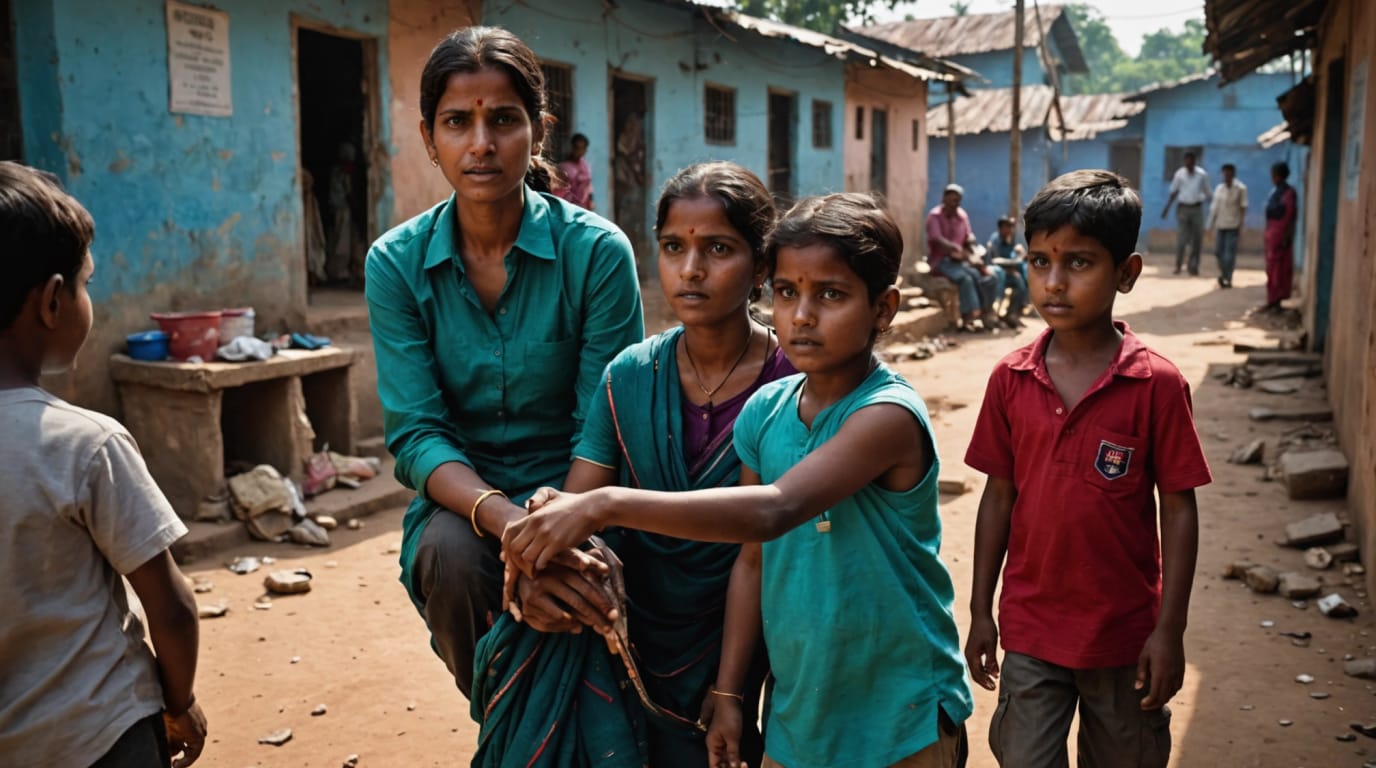
A recent freeze on funding from the United States Agency for International Development (USAID) is sending shockwaves through India's diversity and inclusion programs, jeopardizing critical healthcare, jobs, and social services for marginalized communities. The suspension of aid, initiated by the Trump-Vance administration, has slashed critical USAID-funded projects, leaving many organizations scrambling for alternative resources to sustain their missions.
Impact on LGBTQ+ Community
The LGBTQ+ community in India is among the hardest hit by the USAID funding freeze. For years, USAID has championed LGBTQ+ rights and inclusion through initiatives like the LGBTI Global Development Partnership, which has awarded over 100 grants to civil society organizations and trained more than 1,700 LGBTQ+ entrepreneurs and business owners.
One of the most visible consequences of the funding freeze is the closure of Mitr Clinic in Hyderabad, India's first comprehensive transgender healthcare center. Established in January 2021 through a partnership between USAID and Johns Hopkins University under the President's Emergency Plan for AIDS Relief (PEPFAR), Mitr Clinic provided a range of essential services to the transgender community, including general healthcare, hormone therapy guidance, gender-affirming procedures, mental health counseling, and HIV/STI treatment. The clinic served 150-200 LGBTQIA+ members each month and had registered over 4,900 clients by June 2024, with a significant focus on addressing the HIV burden among transgender individuals. Its closure has left staff unemployed and deprived a vulnerable community of critical healthcare services.
MIST LGBTQ Foundation, based in Pune, Maharashtra, is also reeling from the funding freeze. The organization has been a lifeline for the LGBTQ+ community, driving HIV prevention, distributing PrEP, spearheading empowerment programs, and partnering with doctors and mental health experts. Reports show the group delivered over 200 PrEP kits and conducted 300 HIV tests each month, a vital effort now at risk as the funding drought threatens to stall its work.
Broader Implications for Marginalized Groups
The USAID funding freeze extends beyond the LGBTQ+ community, impacting various programs aimed at empowering women and other marginalized groups. USAID has been a key partner in funding education programs, focusing on improving access to quality education for marginalized groups, enhancing literacy rates, and providing teacher training programs. The agency has also partnered with state governments and civil society organizations to tackle gender-based violence and provide support for the disabled community.
These programs have been critical in empowering women and marginalized groups, particularly in rural areas where access to resources and support is limited. The freeze on USAID funding may lead to an immediate disruption in these programs, particularly as many grassroots organizations heavily rely on these funds to sustain their initiatives. The uncertainty surrounding the freeze could lead to anxiety among NGOs and other development organizations that have been working tirelessly to advance social change.
USAID's Role in India's Development
The United States' bilateral development assistance to India started in 1951 and is mainly administered through USAID. Since its commencement, USAID has provided economic assistance of over $17 billion to India in various sectors for over 555 projects.
In recent years, USAID has focused on strengthening health systems, promoting gender diversity, and supporting sustainable development. For example, USAID/India's health programs have generated a 10-to-1 return on investment through public and private sector scale-up in the past three years. USAID is also actively supporting the Government of India and state governments in achieving standards of quality of care around birth through the Laqshya initiative.
USAID has also been instrumental in promoting women's economic empowerment in India. The U.S.-India Alliance for Women's Economic Empowerment, a public-private partnership between the U.S. Department of State, USAID, the U.S.-India Business Council, Johns Hopkins University Gupta-Klinsky India Institute, and the American India Foundation, focuses on catalyzing innovative and scalable collaborations to accelerate women's economic security in India.
Political Controversy and Scrutiny
The USAID funding freeze has sparked political controversy in India, with authorities investigating allegations that USAID spent $21 million to influence Indian elections. The claim, based on a report by the Department of Government Efficiency led by Elon Musk, has fueled debates over foreign interference in India's internal affairs.
U.S. Senator John Kennedy has also questioned why American taxpayer money was funding programs such as Mitr Clinic. He criticized USAID's financial allocations, stating, "USAID gave money to support electric vehicles in Vietnam with our taxpayers' money. USAID gave money to a transgender clinic in India. I didn't know that. I bet the American people didn't know that."
However, reports indicate that the $21 million in funding was actually allocated to Bangladesh for political and civic engagement, not India.
Looking Ahead
The USAID funding freeze poses a significant challenge to India's diversity and inclusion programs. As the freeze continues, it is crucial for India's government and development organizations to seek new ways to sustain their projects. Diversifying funding sources by exploring new partnerships and tapping into private sector support will be vital in ensuring that essential programs continue uninterrupted. The Indian government may also need to consider providing greater financial support to NGOs working in critical sectors like health, education, and gender equality.
The suspension of USAID funding serves as a reminder of the importance of sustainable and diversified funding models for development programs. While international aid can play a crucial role in supporting marginalized communities, it is essential to build local capacity and resilience to ensure that progress is not derailed by external factors.


