Venezuela Grapples with Devastation as Earthquake Death Toll Nears 2,000 Amid Fading Rescue Hopes
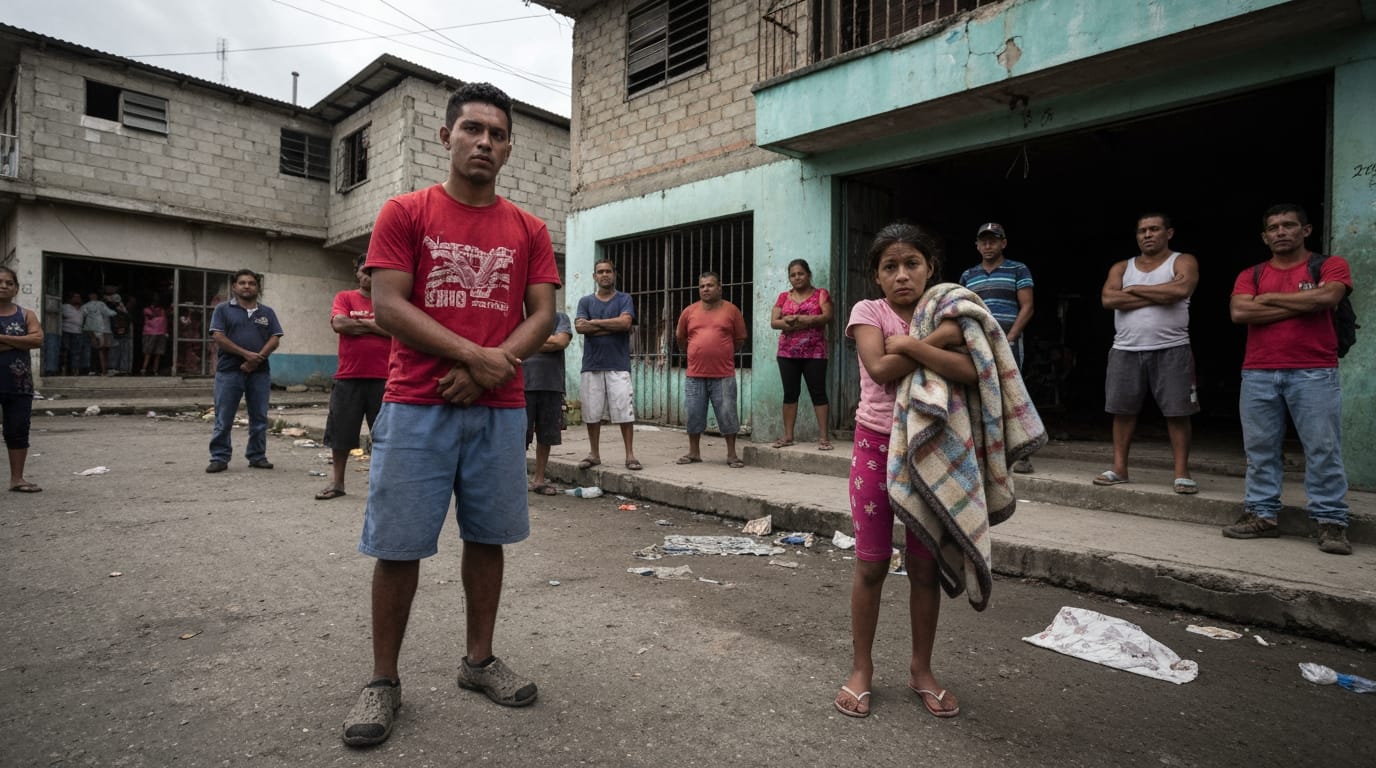
CARACAS, VENEZUELA – Five days after twin colossal earthquakes ravaged central-northern Venezuela, the nation is in the grip of a profound humanitarian crisis as the official death toll approaches 2,000, and the desperate search for survivors dwindles into a grim recovery operation. The magnitude 7.2 and 7.5 tremors, striking within seconds of each other on June 24, have left a trail of unimaginable destruction, injured over 10,000, and displaced more than 15,000 people, pushing an already vulnerable nation to its breaking point.
Catastrophe Unfolds in Northern Venezuela
The catastrophic earthquakes, the most powerful to hit Venezuela in over a century, struck primarily the densely populated coastal state of La Guaira and the Distrito Capital of Caracas. Cities such as Morón, Caraballeda, and Catia La Mar bore the brunt of the seismic activity, witnessing widespread collapse of residential complexes and critical infrastructure. Initial government figures confirmed 1,719 fatalities by Monday, June 28, a number that continued to climb rapidly, reaching 1,943 by Tuesday, June 30. The sheer scale of the disaster is staggering, with NASA preliminary assessments suggesting nearly 59,000 buildings damaged or entirely destroyed, transforming once vibrant neighborhoods into mountains of rubble. The quakes also severely impacted transportation links, including the Simón Bolívar International Airport, which was closed due to damage.
The Race Against Time: Rescue Efforts Diminish
In the immediate aftermath, an international outpouring of support saw over 2,000 rescue workers from more than 27 countries, alongside 160 search dogs, join Venezuelan personnel in a frantic race against time. However, the critical 72-hour window, traditionally seen as the most crucial period for finding survivors, elapsed by Saturday evening, June 27, casting a pall over ongoing operations. Despite the fading hopes, moments of profound relief punctuated the grim efforts. An infant and a woman were pulled alive from debris after more than three days, and a three-year-old boy was miraculously rescued six days after the initial shocks. Yet, these isolated triumphs stand against the backdrop of tens of thousands still unaccounted for. Official figures for the missing hover around 10,000, but opposition groups and international aid organizations estimate the number could be as high as 40,000 to 50,000, with many presumed trapped beneath collapsed structures. The United Nations, in a stark illustration of the expected toll, has agreed with Venezuelan authorities to procure 10,000 body bags, preparing for the tragic eventuality of more recoveries than rescues.
Compounding Crises: Aid Challenges and Mounting Frustration
The humanitarian response faces immense challenges, exacerbated by Venezuela's pre-existing economic and political crises. Years of underinvestment and instability have severely weakened the nation's infrastructure and public services, leaving it woefully unprepared for a disaster of this magnitude. Eyewitness accounts describe chaotic scenes at aid distribution points, with reports of desperate residents fighting for food. The healthcare system, already strained, is now at its breaking point, overwhelmed by the surge of injured and the looming threat of disease outbreaks among displaced populations. The UN refugee agency highlighted widespread food shortages and the breakdown of basic services, particularly in the hardest-hit port city of La Guaira. UNICEF estimates that 680,000 children are among the 1.8 million people in need of humanitarian assistance. While Interim President Delcy Rodríguez declared a state of emergency and international aid, including assistance from the US military in reopening vital ports and airports, has begun to arrive, frustration is mounting among the populace over what many perceive as a sluggish and inadequate government response.
A Nation in Mourning and the Long Road Ahead
As aftershocks continue to rattle the affected regions, albeit with decreasing frequency, and a tropical wave threatens to bring heavy rains, the environmental conditions remain hazardous for both survivors and rescue teams. The pervasive mood across Venezuela is one of profound grief, as communities grapple with the immense loss of life and the wholesale destruction of their homes and livelihoods. Authorities are housing displaced residents in temporary shelters, aiming to relocate them to more permanent solutions, but the long-term challenges of rebuilding shattered lives and infrastructure are daunting. The earthquakes have not only claimed thousands of lives but have also exposed and deepened the pre-existing vulnerabilities of a nation already struggling, highlighting the urgent need for sustained international support and a robust, coordinated recovery effort that will undoubtedly span years.


