Venezuela Grapples with Devastation, Mounts Massive Housing Effort After Catastrophic Earthquakes
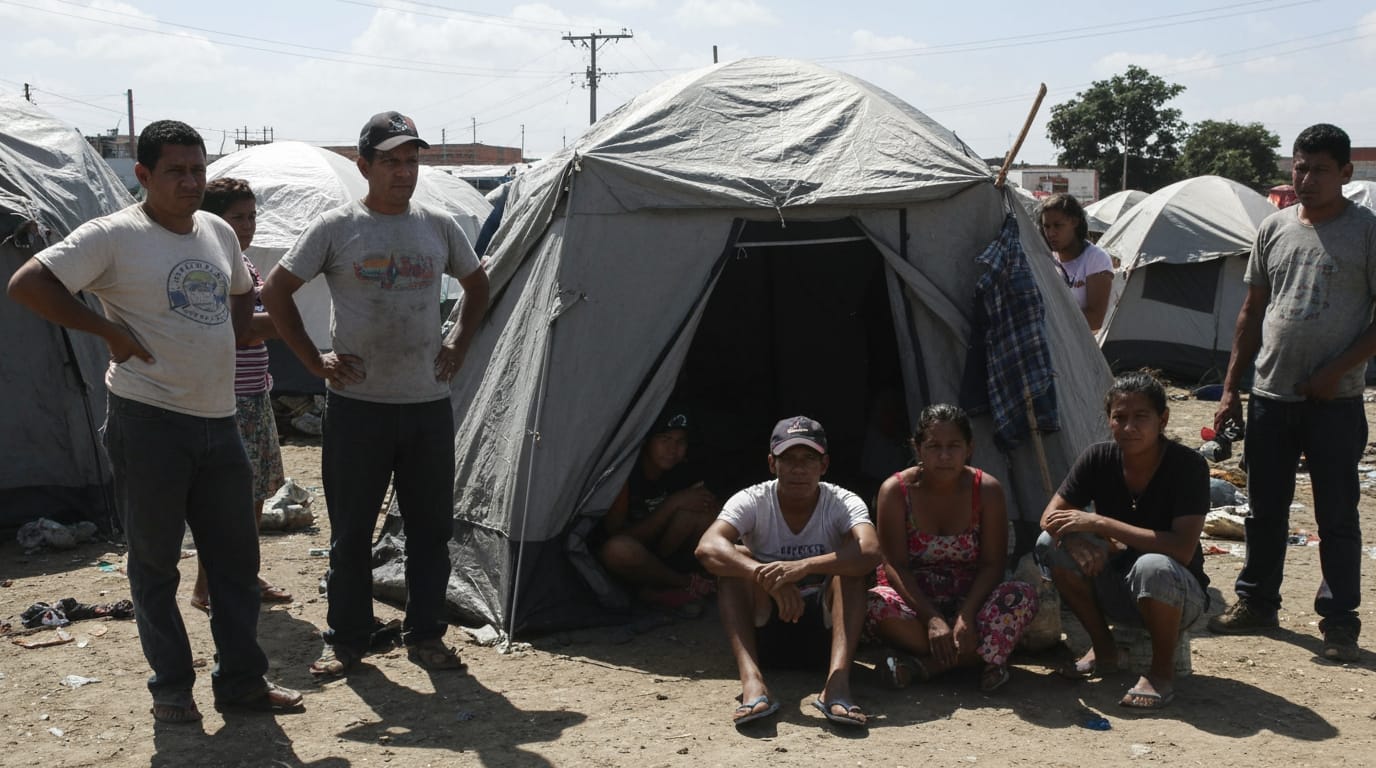
CARACAS, Venezuela – In the wake of twin earthquakes that ravaged Venezuela last month, claiming over 4,300 lives and displacing tens of thousands, authorities are scrambling to establish temporary housing solutions as the nation confronts a humanitarian crisis of immense proportions. The government's immediate focus has shifted to providing shelter for those left homeless, while a somber search continues for an estimated 50,000 individuals still unaccounted for, highlighting the profound and far-reaching impact of the disaster.
The devastating seismic events, which struck on June 24, 2026, within 39 seconds of each other, measured magnitudes 7.2 and 7.5 respectively, according to official reports. The tremors unleashed widespread destruction across Caracas and, particularly, the coastal state of La Guaira, where high-rise apartment blocks were reduced to rubble and hundreds of buildings either collapsed entirely or sustained severe damage. The catastrophic toll currently stands at 4,333 fatalities, a figure that climbed from 4,118 just a day prior, with over 18,000 individuals reported injured.
The scale of the destruction has left an estimated 18,000 to 19,000 people without homes, forcing many into impromptu shelters erected in stadiums, public squares, and even on streets. National Assembly President Jorge Rodríguez, who has been appointed to lead the emergency shelter efforts, noted that schools currently housing displaced families would need to be vacated by September, underscoring the urgency of finding more permanent or semi-permanent solutions. This looming deadline adds another layer of complexity to an already strained relief operation.
In response to the unprecedented housing challenge, the Venezuelan government has announced plans for the construction of temporary single-family housing units. These transitional homes are intended to accommodate affected families while the colossal task of permanent reconstruction gets underway. The administration estimates a need for approximately 25,000 new homes to adequately shelter those displaced. To kickstart this ambitious project, more than 40 plots of land, spanning roughly 584,000 square meters, have been designated in La Guaira. These sites have been strategically chosen on safer inland plains, away from the vulnerable coastal areas that bore the brunt of the seismic impact.
Beyond new construction, the government is also moving to allocate apartments that were already under construction prior to the earthquakes, aiming to provide immediate relief to some families in the coming days. A "Unified Housing Registry" has been established to serve as both a census of those affected and a mechanism for distributing state-ordered financial assistance to earthquake victims. These efforts represent a multi-faceted approach to a crisis that has overwhelmed existing infrastructure and resources.
The humanitarian response has seen a surge of local and international volunteers working tirelessly on the ground. Medical teams, comprising both Venezuelan and foreign aid workers, are providing critical emergency care, while volunteers are distributing essential supplies and food to survivors. Over 30,000 volunteers have reportedly signed up to assist in the critical phase of the disaster, with plans to engage them in reconstruction efforts. The United Nations has also launched an appeal for approximately $300 million to provide urgent aid to an estimated 1.3 million people in need, signaling the global recognition of the severity of the situation.
Despite the concerted efforts, the recovery process is fraught with challenges and growing public frustration. Reports emerged two weeks after the quakes detailing families in La Guaira resorting to digging through rubble with their bare hands, lamenting the lack of heavy machinery and official assistance in locating missing loved ones. While President Rodríguez has rejected concerns that search operations might cease or debris be cleared without a proper accounting for victims, the sheer volume of debris and the estimated 50,000 missing persons, according to UN figures, paint a grim picture of the road ahead.
The twin earthquakes have not only shattered infrastructure but also deeply impacted the fabric of Venezuelan society. The long-term implications extend beyond immediate relief, encompassing the psychological trauma of survivors, the economic burden of reconstruction, and the challenge of rebuilding communities. As the government pivots from emergency rescue to comprehensive recovery, the world watches as Venezuela navigates this profound national tragedy, attempting to house its displaced, account for its missing, and restore a semblance of normalcy to the lives of millions. Interim President Delcy Rodriguez has also appealed to Britain's King Charles III to release Venezuela's gold reserves, a move that underscores the nation's pressing financial needs in the face of this monumental recovery effort.


