Venezuela Reels as Earthquake Aid Ramps Up, Rescue Window Closes
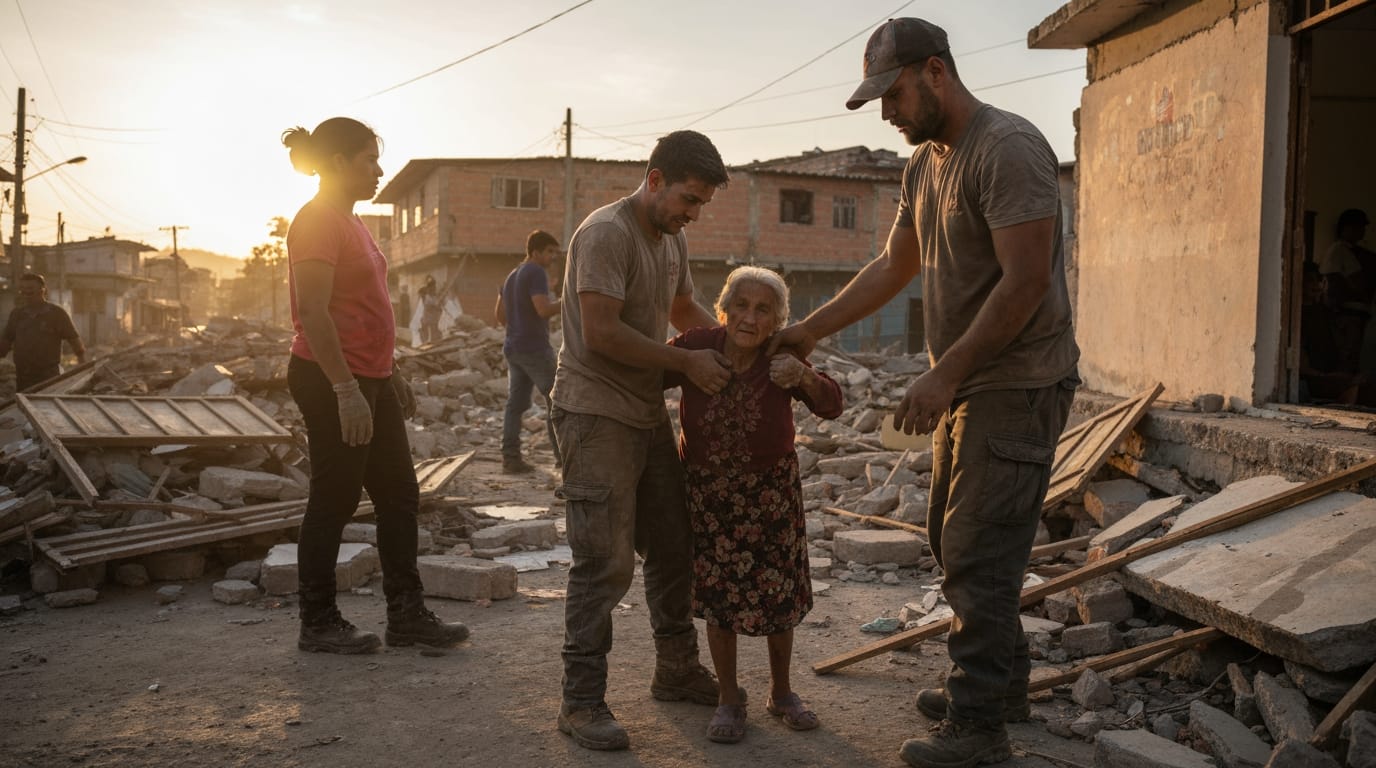
CARACAS, Venezuela – International aid efforts are intensifying across Venezuela as rescue teams confront dwindling hopes of finding survivors beneath the rubble, nearly a week after twin powerful earthquakes devastated the nation's northern regions. The official death toll has surpassed 1,430, with thousands injured and tens of thousands still reported missing, as emergency responders work against the clock and the grim reality that the critical 72-hour survival window has largely passed.
Devastation Unprecedented: The Quakes' Catastrophic Toll
On Wednesday, June 24, Venezuela was struck by a powerful earthquake sequence, beginning with a magnitude 7.2 foreshock, followed just 39 seconds later by a magnitude 7.5 mainshock. The shallow earthquakes, occurring between 10 and 22 kilometers deep, unleashed widespread destruction across north-central Venezuela, including the capital Caracas and the states of La Guaira, Carabobo, Miranda, Yaracuy, and Aragua. Approximately 8.6 million people were exposed to moderate to severe shaking, with about 2.1 million experiencing the strongest tremors.
Initial assessments paint a stark picture of the catastrophe. At least 1,430 people have been confirmed dead, and another 3,238 injured as of June 27. However, the number of casualties is expected to rise significantly, with preliminary reports indicating that 68,900 people remain unaccounted for by their families. The United Nations Development Programme (UNDP) estimates the direct physical damage at approximately $6.7 billion, equivalent to about six percent of the country's gross domestic product. This figure primarily covers damage to homes and economic assets, not accounting for infrastructure, economic disruption, or long-term reconstruction costs. Satellite imagery analysis in hard-hit areas like Catia La Mar revealed that 31.5 percent of buildings sustained damage. The earthquakes collapsed nearly 800 buildings, leaving hundreds of thousands without shelter and severely compromising critical services such as healthcare and power.
The Race Against Time: Fading Hopes and Miraculous Rescues
As days turn into a week, the chances of finding additional survivors beneath the rubble diminish significantly, with experts noting the crucial 72-hour window for rescue operations. Despite the grim outlook, rescue teams have reported remarkable moments of hope. On Sunday, a man and his teenage son were pulled alive from the debris in Caraballeda, four days after the quakes. This rescue, a joint effort by French, American, and Venezuelan teams, was met with applause and renewed determination. Additionally, two 11-year-old boys, including one named Moises, were rescued alive from under collapsed structures, offering a poignant reminder of the enduring human spirit amidst devastation.
More than 2,000 rescue workers from 27 countries, coordinated by the United Nations, have been deployed to Venezuela. These 44 international Urban Search and Rescue (USAR) teams include 2,245 specialists and 140 search dogs, tirelessly working to locate and extract individuals from collapsed structures. However, the scale of destruction in some areas has overwhelmed local capacity, with some residents resorting to using their bare hands to dig through debris due to a lack of heavy equipment and what some perceive as a slow official response. Aftershocks continue to terrify residents and hinder rescue efforts, forcing thousands to sleep outdoors in tents or their vehicles, fearing further collapses.
A Global Outpouring: International Aid Mobilization
The international community has rapidly mobilized to support Venezuela's recovery efforts. The European Union, through its civil protection mechanism, has deployed rescue teams and emergency assistance from eight member states, including Czechia, Spain, Italy, France, Luxembourg, Germany, Portugal, and the Netherlands. Over 520 responders, including firefighters, rescue dogs, medical staff, and telecommunication equipment, have been deployed or are in transit. The EU's Copernicus satellite service has also been activated to provide emergency mapping and damage assessment.
UN agencies are at the forefront of the coordinated response. UNICEF, for instance, estimates that 1.8 million people, including 680,000 children, are in urgent need of humanitarian assistance. The organization has activated a scaled-up emergency response, deploying staff and mobilizing pre-positioned relief supplies, including 20 tons of medical supplies, WASH items, and tents that arrived from Panama on June 27, with another 48 tons expected from Copenhagen. These supplies are intended to support over 100,000 people. Canada has also pledged $5 million in humanitarian aid to support relief efforts. The Pan American Health Organization (PAHO/WHO) reports that Venezuela's national health system has been activated, but health services are under immense pressure due to increased demand and disruptions to electricity, water, and telecommunications.
The Long Road Ahead: Humanitarian Needs and Recovery Challenges
The earthquakes have exacerbated an already precarious humanitarian situation in Venezuela, a nation grappling with over a decade of economic instability. Prior to the disaster, an estimated 7.9 million people, including 3.9 million children, were already in need of assistance. The current crisis has left millions without adequate shelter, clean water, sanitation, and access to healthcare.
The government has declared a state of emergency, allowing for the mobilization of resources, but residents in some of the hardest-hit areas, such as La Guaira, have expressed frustration over what they perceive as an uncoordinated and slow state response. Military and police forces are patrolling affected areas, and access has been restricted, requiring special permits, which has reportedly hampered some civilian-led aid efforts. The immense task of reconstruction looms large, with the preliminary damage estimates not even fully capturing the long-term economic and social costs. Experts warn of potential aftershocks, further increasing the vulnerability of communities.
The initial shock of the disaster is slowly giving way to the grinding reality of recovery. With thousands displaced and critical infrastructure severely damaged, the collective efforts of international and local organizations, alongside the resilience of the Venezuelan people, will be crucial in navigating the extensive humanitarian crisis and the daunting path to rebuilding.


