Venezuelan Opposition Candidate González Calls for New Elections Amidst Interim Rule
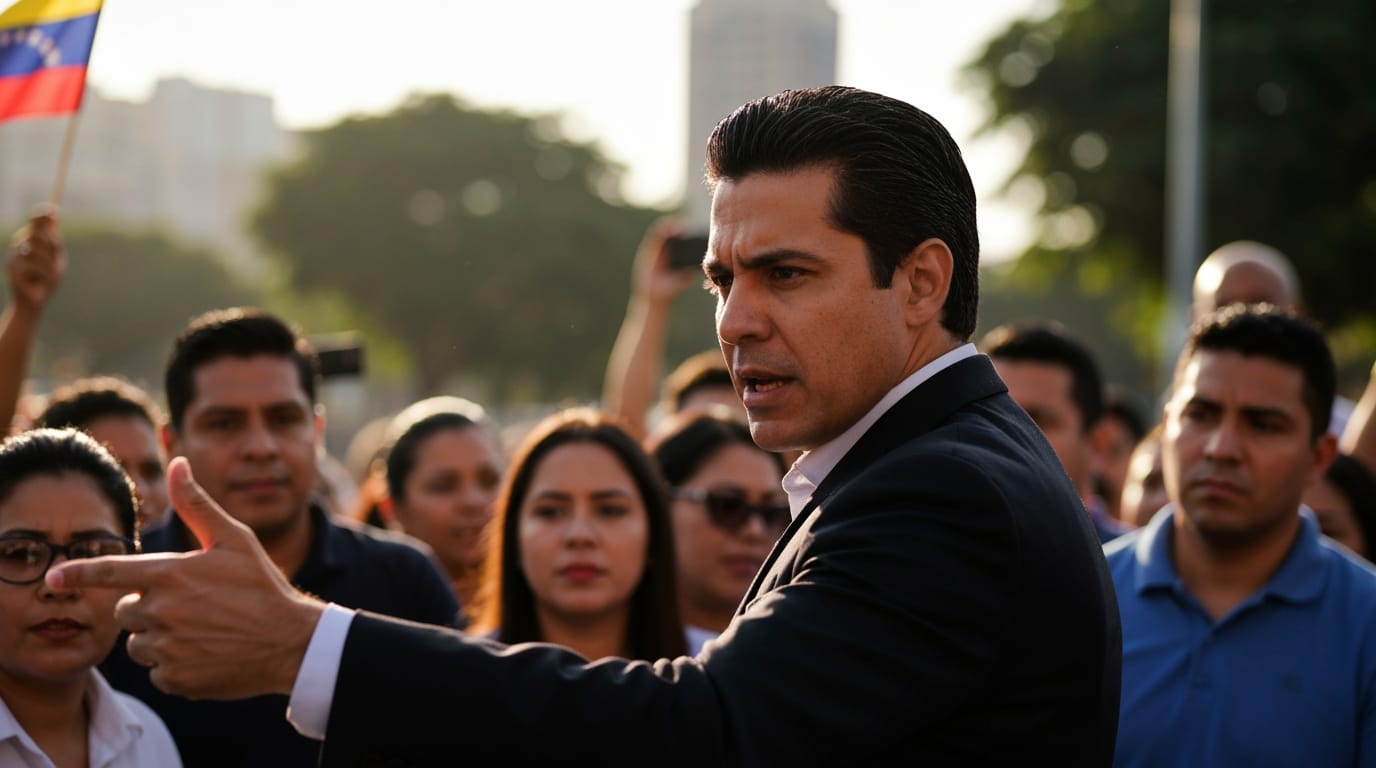
Caracas, Venezuela – May 31, 2026 – Edmundo González Urrutia, the Venezuelan opposition candidate widely recognized by a significant portion of the international community as the legitimate winner of the contested July 2024 presidential election, has intensified his call for new presidential elections. Speaking from exile in Spain, González outlined a series of indispensable conditions for such a vote, emphasizing the need for independent electoral authorities and robust international observation to ensure a truly democratic process in the South American nation. This renewed push for electoral integrity comes as Venezuela navigates a dramatically altered political landscape following the reported ouster of Nicolás Maduro and the subsequent establishment of an interim government led by Delcy Rodríguez.
González’s recent statements underscore a persistent demand for genuine electoral reform, reflecting the deep-seated desire among many Venezuelans for a verifiable and transparent transition of power. His insistence on a level playing field, free from government interference and political persecution, highlights the fundamental challenges that continue to plague Venezuela's democratic institutions. The call serves as a critical barometer of the ongoing struggle to restore democratic norms in a country long mired in political and humanitarian crises.
The Demand for a Credible Electoral Path
In his recent appeal, Edmundo González Urrutia articulated clear prerequisites for any future presidential election to be deemed legitimate. He demanded the establishment of independent electoral authorities, a comprehensive and representative electoral registry, the presence of both national and international observation missions, and the cultivation of political pluralism. Furthermore, González stressed the necessity of unfettered access to independent media, the unconditional freedom of all political prisoners, and an immediate end to political persecution. These conditions are not merely procedural; they represent the core tenets of a democratic electoral system, which have been systematically undermined in Venezuela for years.
González, a seasoned diplomat and former ambassador, asserted his claim to the presidency, stating, "As of today, I am the last elected president of Venezuela," a direct challenge to the official narrative of the 2024 elections. His remarks were made in a video posted on social media, aligning with earlier statements where he expressed his commitment to translating the popular mandate he believes he received into "real freedom, real democracy" for the nation. This unwavering stance, despite his current exile, reflects the opposition's strategy to maintain pressure on the current authorities and to keep the issue of electoral legitimacy at the forefront of national and international discourse.
The opposition's unified front was recently showcased at a meeting in Panama, where González and prominent opposition leader María Corina Machado converged with other democratic forces. This gathering was aimed at consolidating a shared roadmap towards Venezuela's freedom, emphasizing collective action and a unified vision for the country's future. Machado, who was herself disqualified from running in the 2024 election, has consistently advocated for fresh elections and praised González as "an example of service and dedication to the homeland."
The Shadow of the Disputed 2024 Elections
The current impetus for new elections is inextricably linked to the highly controversial presidential election held on July 28, 2024. The Venezuelan National Electoral Council (CNE) officially declared incumbent Nicolás Maduro the winner with 51.95 percent of the vote. However, this announcement was met with widespread skepticism and outright rejection by the Venezuelan opposition and a significant segment of the international community.
The opposition, led by González, contended that their internal counts, based on detailed tally sheets collected by poll watchers from a vast majority of polling stations, indicated a landslide victory for González, with some estimates suggesting he garnered approximately 70 percent of the votes. This stark discrepancy immediately triggered accusations of electoral fraud and a lack of transparency. The CNE notably failed to publish disaggregated results, preventing an independent audit of the vote count. International bodies and several countries, including the United States, Canada, and a number of Latin American and European nations, voiced serious concerns about the fairness and integrity of the election, with some explicitly recognizing González as the legitimate winner. Conversely, countries like Russia, China, Iran, and Cuba endorsed Maduro's declared victory.
María Corina Machado, the initial frontrunner for the opposition, was barred from running due to a controversial disqualification, which many international observers and human rights organizations condemned as a violation of political rights. Her inability to register as a candidate ultimately led to Edmundo González Urrutia, a relatively lesser-known figure at the time, stepping in as the unity candidate for the Unitary Platform, securing the full support of the opposition movement. The election process was further marred by arbitrary arrests of opposition members, restrictions on voting abroad, and a climate of fear and repression, leading several international organizations to question the democratic legitimacy of the entire process.
A Shifting Political Landscape: From Maduro to Interim Rule
A pivotal development that dramatically reshapes the context of González's call is the reported ouster of Nicolás Maduro from power. According to recent reports, Maduro was removed from office in January following a U.S. military intervention and subsequently captured and transported to New York to face drug trafficking charges. In the wake of these events, his deputy, Delcy Rodríguez, assumed the role of interim President, leading Venezuela for approximately five months. This unexpected shift, described in multiple recent news articles, marks a significant departure from the political status quo that had characterized Venezuela for over a decade.
The transition to an interim government under Delcy Rodríguez fundamentally alters the dynamics of the country's political future. While the full implications and international recognition of this interim administration continue to unfold, González's call for new elections now targets a different political authority. Instead of directly challenging Maduro's post-2024 mandate, the opposition is now demanding that the interim government facilitate a truly democratic process to establish a legitimately elected leadership. This change in leadership, if confirmed and stabilized, could potentially open new avenues for dialogue and negotiations regarding the country's electoral future, although the path remains fraught with challenges.
Obstacles and the Enduring Quest for Democratic Transition
Despite the dramatic shift in leadership, the road to free and fair elections in Venezuela remains complex and arduous. The history of political repression, human rights abuses, and institutional manipulation casts a long shadow over any prospect of a swift and transparent electoral process. Since the 2024 elections, Venezuelan authorities and pro-government groups have continued widespread abuses, including killings, enforced disappearances, and arbitrary detentions of protesters, opposition figures, and critics. These actions demonstrate the deeply entrenched challenges to civic space and political participation.
The international community's stance will continue to be crucial. Many international organizations have urged for an independent verification of the 2024 results and have called on Venezuelan authorities to ensure a transparent vote count. The legitimacy of any future election will heavily depend on whether the interim government is willing to meet the conditions for transparency and fairness demanded by González and the broader opposition. These conditions include dismantling the structures of repression, ensuring the safety of political actors, and allowing for unrestricted media coverage and international oversight.
The Venezuelan opposition itself faces the ongoing task of maintaining unity and developing a cohesive strategy to navigate this new political environment. Past divisions have sometimes hampered their effectiveness, but the recent show of solidarity in Panama suggests a renewed commitment to a common goal. The ultimate objective is not merely to hold an election, but to achieve a stable and inclusive government that can address the country's profound economic and social issues and restore democratic institutions.
Conclusion: A Nation at a Crossroads
Edmundo González Urrutia's persistent call for new, genuinely democratic elections serves as a powerful reminder of the Venezuelan people's unwavering desire for change. Against a backdrop of a disputed past election and a recent, dramatic shift in political leadership, the demand for independent electoral authorities, international observation, and an end to repression forms the cornerstone of any credible path forward. The stakes for Venezuela are extraordinarily high, as the nation stands at a crossroads between its history of political contention and the persistent hope for a future defined by democratic principles and the legitimate will of its citizens. The ongoing efforts by González and the united opposition underscore that the quest for a truly free and fair electoral process remains central to the country's long-term stability and democratic aspirations.


