Venezuela's Interim Government Releases Over 100 Political Prisoners Amidst Shifting Political Tides
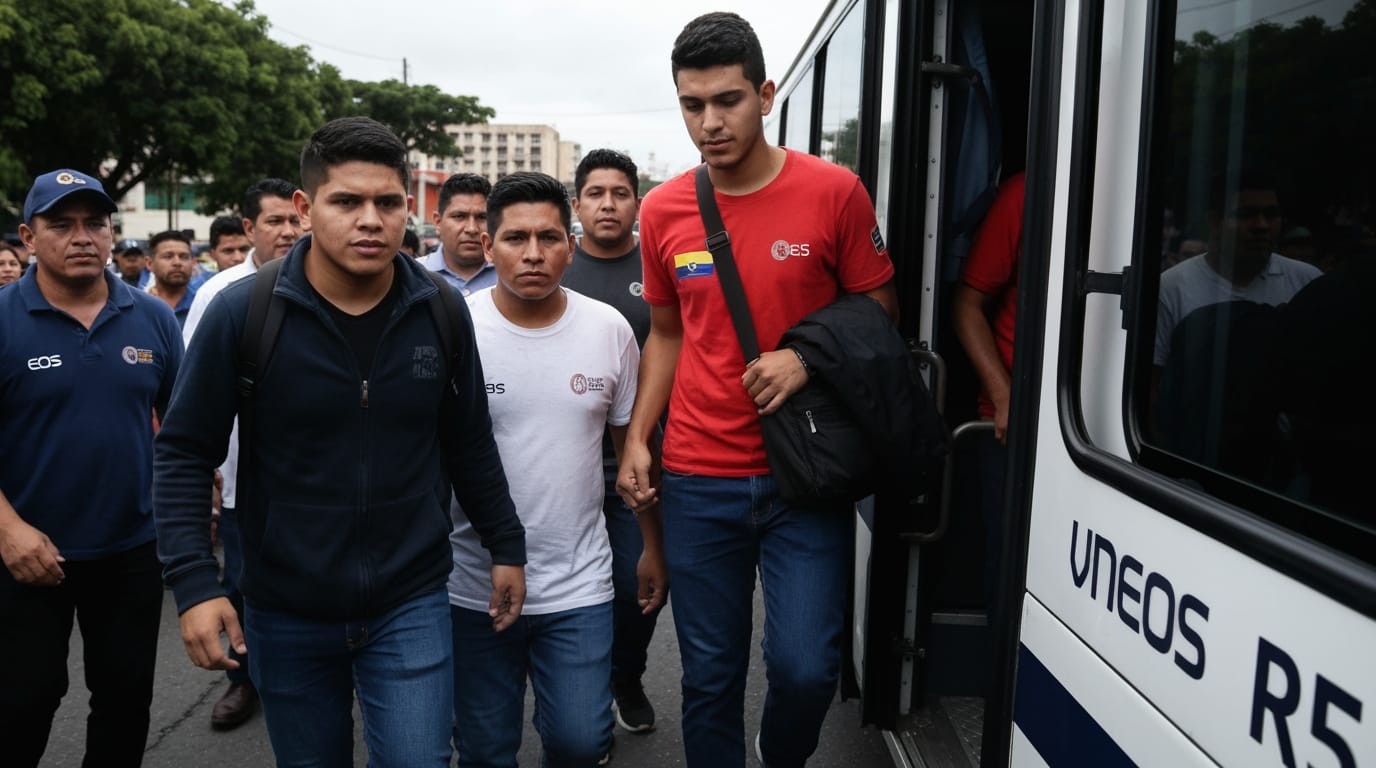
Caracas, Venezuela – In a significant development for Venezuela's embattled human rights landscape, the nation's interim government, led by Delcy Rodriguez, has overseen the release of more than 100 individuals classified as political prisoners by non-governmental organizations (NGOs) in recent days. This wave of releases follows the dramatic ousting of former president Nicolás Maduro earlier this month and signals a potentially new chapter in the country's turbulent political narrative, albeit one fraught with skepticism from rights groups regarding the true scope of the liberations.
The releases come as Venezuela navigates a profound political transition, with the United States playing a pivotal role in the shift of power. While the interim government asserts a broader sweep of prisoner pardons, human rights organizations continue to meticulously verify the identities of those freed, underscoring the ongoing challenges in accurately assessing the number of political detainees in the South American nation.
The Unfolding Releases: Conflicting Figures and Cautious Optimism
On Sunday, January 25, 2026, a leading Venezuelan human rights organization, Foro Penal, reported the release of at least 104 political prisoners across the country. Alfredo Romero, director of Foro Penal, indicated that these Sunday liberations were part of an ongoing process, adding that prior to this, his organization had already confirmed the release of 156 political prisoners since January 8. This brings Foro Penal's confirmed tally to at least 260 political prisoners released within approximately two weeks.
However, the figures provided by the interim government diverge significantly from those of human rights groups. Interim President Delcy Rodriguez stated on Friday, January 23, that over 600 inmates had been released since December, a number she has pledged to ask the UN High Commissioner for Human Rights to verify. Other NGOs, such as Justicia, Encuentro y Perdón, have verified fewer releases than claimed by the government, noting discrepancies between official announcements and independently confirmed cases. Family members of detainees have gathered outside prisons in Caracas, waiting anxiously for news, illustrating the deeply personal and often agonizing impact of these detentions.
A New Political Order: Maduro's Ousting and U.S. Influence
The recent prisoner releases are inextricably linked to a dramatic upheaval in Venezuelan politics. On January 3, 2026, Nicolás Maduro, who had served as president since 2013, was captured by U.S. forces during a "bombing raid on Caracas" and subsequently flown out of the country to face trial on drug trafficking charges. Following this unprecedented intervention, Delcy Rodriguez, formerly Maduro's vice president, assumed the role of interim president, a move reportedly backed by then-U.S. President Donald Trump.
The U.S. leverage over the new administration is seen as a key driver behind the prisoner releases. Trump had openly claimed credit for the move, asserting that the liberations came at Washington's request and were tied to broader negotiations that included discussions about Venezuela's vast oil reserves. Delcy Rodriguez herself has acknowledged that differences with the United States would be resolved through diplomatic channels, advocating for "Bolivarian diplomacy" to address long-standing disputes. This represents a stark departure from the previous government's often confrontational stance with Washington and underscores the significant geopolitical shifts currently underway.
A Shadow of Repression: The Enduring Crisis of Political Detention
The release of these prisoners offers a glimmer of hope against a grim backdrop of human rights abuses that have long plagued Venezuela. For years, human rights organizations like Amnesty International and Human Rights Watch have documented a severe deterioration of human rights, including arbitrary arrests, torture, poor prison conditions, and a lack of judicial independence. The UN Independent International Fact-Finding Mission on Venezuela reported over 800 political prisoners in January 2026, highlighting the systemic nature of political detention. Other estimates from NGOs suggest the number of political prisoners still held could be as high as 700 to 1,000 even after the recent releases.
Many detainees face vague charges such as "terrorism" and "incitement to hatred," often without due process or the right to legal counsel of their choosing. Reports of incommunicado detention, denial of family visits, and inadequate medical care have been widespread, contributing to severe physical and mental health deterioration among prisoners. The infamous Helicoide prison in Caracas, a former shopping mall, has been identified by NGOs as a torture center, where many political prisoners, including those held incommunicado, have been subjected to ill-treatment. The UN Human Rights Chief, Volker Türk, in December 2025, expressed deep concern over the persistent lack of food and medicine and the denial of family visits in detention centers.
The growing willingness of families to come forward and register their loved ones as political prisoners with advocacy groups like Foro Penal signals a newfound sense of opportunity, born from the recent political changes. However, the conditions of release for many often remain restrictive, with some still facing charges or being barred from making public statements, a detail that concerns rights advocates.
Looking Ahead: Navigating a Precarious Path
The recent release of political prisoners, propelled by a dramatic shift in Venezuela's political leadership and direct U.S. pressure, marks a cautious step forward for a nation long mired in crisis. The new interim government appears to be signaling a willingness to engage with international demands for improved human rights, yet the conflicting numbers reported by state authorities and human rights organizations underscore the need for continued vigilance and independent verification.
The profound changes in Venezuela's political landscape, including the removal of Maduro and the establishment of an interim government under Delcy Rodriguez with U.S. backing, introduce both opportunities and uncertainties. While the releases offer a measure of relief for some families, the fundamental issues of arbitrary detention, human rights abuses, and the lack of judicial independence remain significant challenges. The international community, alongside Venezuelan civil society, will continue to monitor closely whether these initial releases pave the way for more comprehensive human rights reforms and a genuine democratic opening, or if they represent a more limited, politically expedient gesture in a deeply complex and evolving environment.


