Video Contradicts IDF Account of Aid Workers' Deaths in Gaza
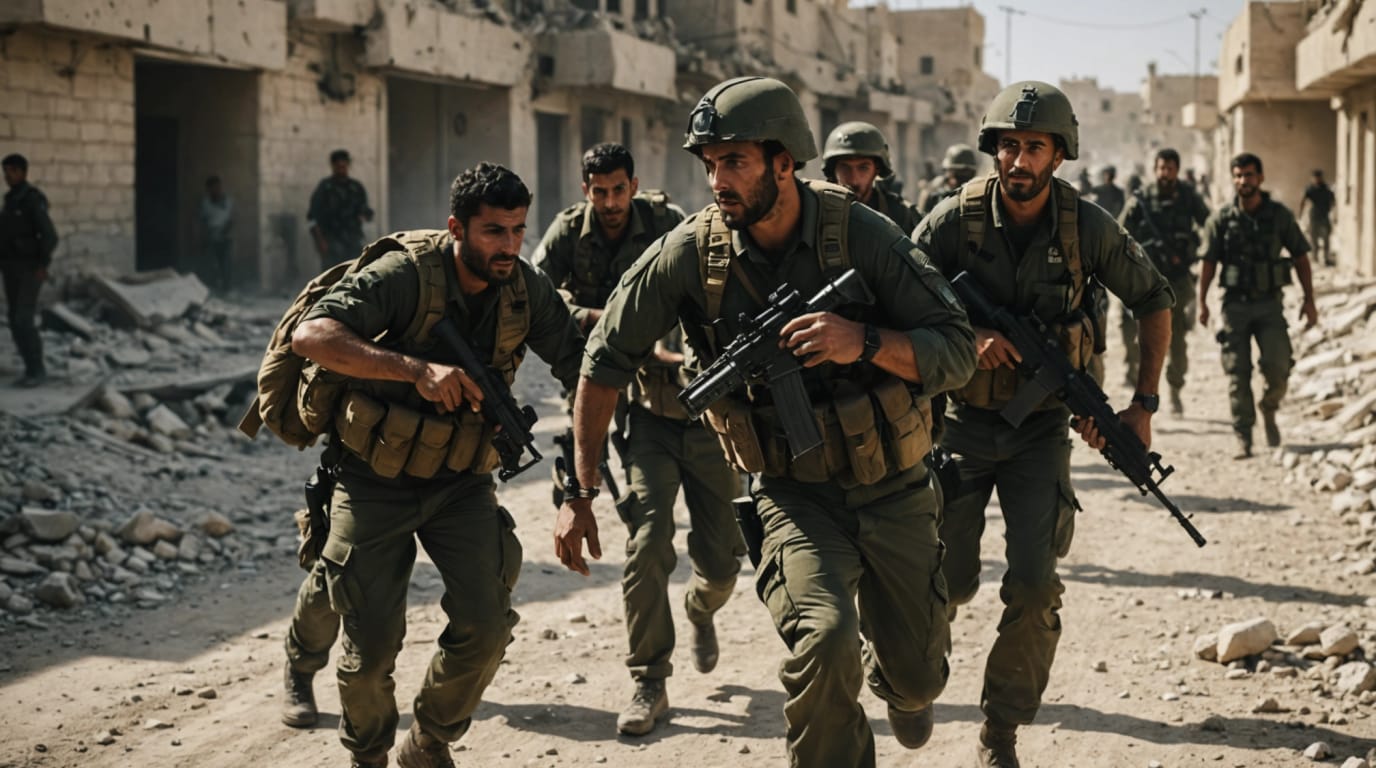
Newly surfaced video footage is casting serious doubt on the Israeli Defense Forces' (IDF) account of an incident last month in Gaza in which 15 aid workers were killed. The video, recovered from a medic's phone and verified by multiple news outlets, shows clearly marked ambulances and a fire truck with emergency lights activated coming under fire from Israeli forces on March 23. This contradicts the IDF's initial claims that the vehicles were "advancing suspiciously" without headlights or emergency signals.
The Incident
The incident occurred just before dawn on March 23, as a convoy of Palestinian Red Crescent ambulances and a fire truck were traveling north of Rafah in southern Gaza. They were searching for missing colleagues when they spotted a diverted vehicle on the side of the road. As the paramedics pulled over to investigate, Israeli forces opened fire. Contact with the convoy was lost shortly thereafter. It took five days for the bodies to be recovered; they were found buried in a mass grave.
Conflicting Accounts
In the immediate aftermath, the IDF released a statement asserting that they "did not randomly attack an ambulance." They claimed the vehicles had not coordinated their movements with the IDF and were operating in an active combat zone without proper signaling. However, investigations by news organizations suggest that an evacuation order for the area was not issued until at least an hour after the incident. The newly released video further undermines the IDF's version of events, showing the emergency vehicles with flashing lights, clearly identifiable as ambulances and a fire truck.
The Video Evidence
The video, obtained by the Palestine Red Crescent Society and verified by Sky News, was recovered from the mobile phone of one of the paramedics killed in the attack. It captures the moment the convoy was struck, with the sounds of gunfire, panic, and shouted commands in Hebrew audible. The medic who filmed the attack, Rifat Redwan, can be heard reciting the shahada, the Muslim prayer before death, saying, "Forgive me mother, this is the path I chose to help people." He was later found with a bullet in his head, his mobile phone still on him.
Implications and Response
The emergence of this video has sparked widespread condemnation and calls for a thorough and transparent investigation. Critics argue that the IDF's initial statements and subsequent actions suggest a potential cover-up. The fact that the bodies were buried in a mass grave and access was denied to the UN for five days has further fueled these concerns. Following the release of the video, the IDF issued a new statement saying that all claims and documentation circulating about the incident would be "thoroughly and deeply examined to understand the sequence of events."
A Pattern of Distrust
This incident comes amid growing concerns about the safety of aid workers in Gaza and the IDF's adherence to international humanitarian law. More than 400 aid workers have been killed during the 18-month war in Gaza, and accusations of war crimes have been leveled against both sides. Israel has often claimed that targets were Hamas operatives, but evidence to support these claims has often been lacking. The IDF has also regularly claimed that it attacked schools and hospitals because they were being used by Hamas as command centers. This has led to a climate of distrust and skepticism regarding the IDF's justifications for its actions.
The video evidence contradicting the IDF's account of the aid worker deaths is likely to further erode public trust and intensify calls for accountability. The incident underscores the urgent need for an independent and impartial investigation to determine the facts and ensure that those responsible are held accountable. It also raises serious questions about the rules of engagement for Israeli soldiers operating in Gaza and the protection of civilians and humanitarian workers in conflict zones.


