Vietnam Fortifies Asian Alliances Amidst Shifting Geopolitical Landscape
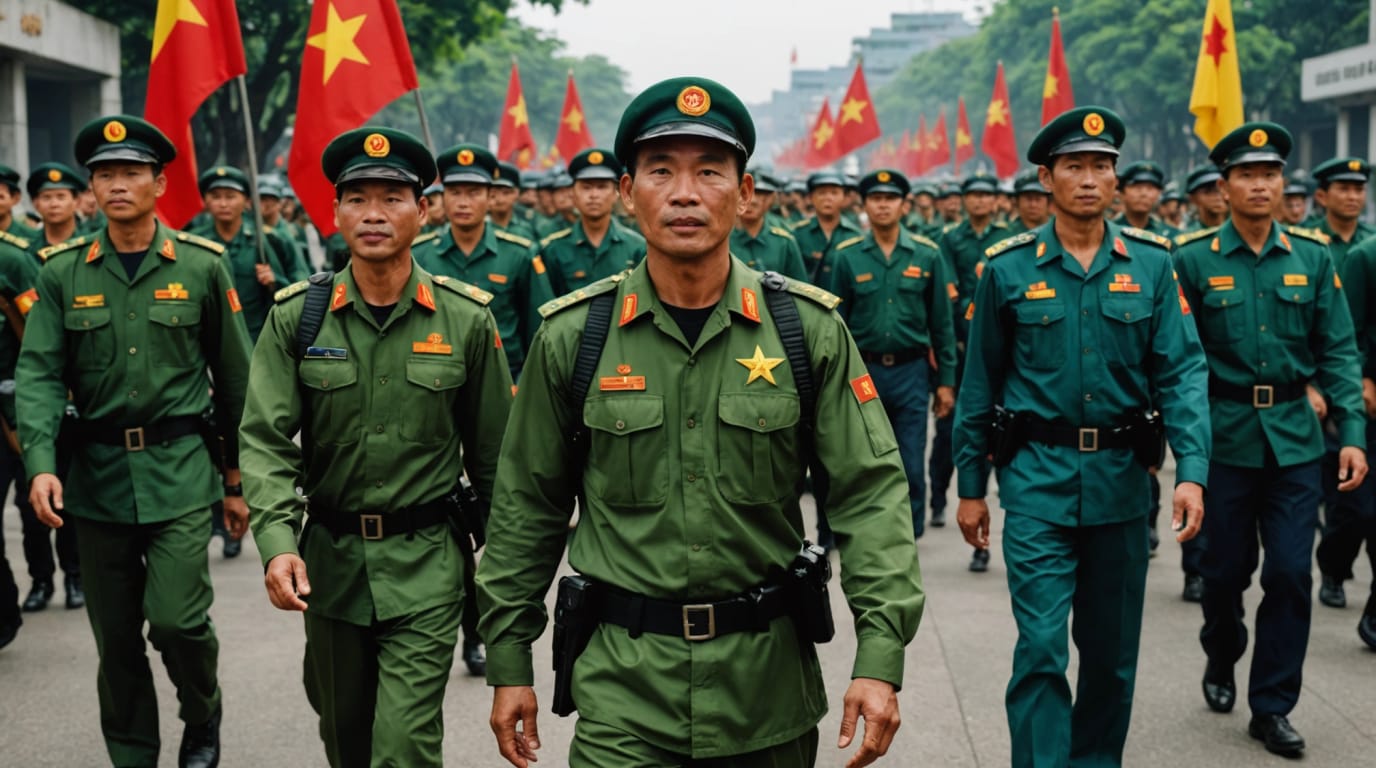
HANOI – In a world grappling with increasing geopolitical uncertainty, Vietnam is strategically strengthening its alliances within Asia, solidifying its position as a key player in the region. This proactive approach aims to ensure stability, promote economic growth, and safeguard its national interests amidst evolving global dynamics.
A Proactive Role in ASEAN
Vietnam's commitment to the Association of Southeast Asian Nations (ASEAN) remains a cornerstone of its foreign policy. As a member since 1995, Vietnam has consistently championed ASEAN's centrality in regional affairs, actively participating in various initiatives and cooperation mechanisms. The country has held the ASEAN Chairmanship three times, in 1998, 2010, and 2020, each time leaving a mark on promoting unity within the bloc and enhancing ASEAN's international standing.
In 2025, Vietnam continues to prioritize ASEAN, recognizing its importance in fostering regional peace, prosperity, and integration. Deputy Prime Minister Son emphasized that ASEAN remains a top priority in Vietnam's foreign policy. Vietnam is actively promoting key initiatives such as the ASEAN Future Forum, which serves as a platform for exchanging ideas and shaping the future of ASEAN beyond 2025.
Balancing Act: "Bamboo Diplomacy"
Vietnam's foreign policy is often described as "bamboo diplomacy," characterized by flexibility, resilience, and a commitment to balancing relationships with major powers. This approach is particularly evident in its relations with the United States and China.
While strengthening ties with the U.S., including elevating bilateral relations to a "comprehensive strategic partnership," Vietnam also maintains close ties with China. This balanced approach allows Vietnam to leverage the strengths of both countries, accessing advanced technologies from the U.S. and infrastructure support from China.
Despite historical complexities and ongoing disputes in the South China Sea, Vietnam seeks to coexist peacefully with China while safeguarding its sovereignty and autonomy. This involves a strategy of "cooperation and struggle," engaging in economic and political cooperation while resisting any actions that threaten its interests.
Strengthening Defense Cooperation
Recognizing the importance of security in a volatile region, Vietnam is actively strengthening its defense cooperation with key partners. This includes increasing defense dialogues, joint exercises, and capacity-building activities with countries like Japan, India, and Indonesia.
With Japan, Vietnam has expanded cooperation in defense equipment transfers and addressing war legacies. With India, Vietnam aims to build a strong relationship, particularly regarding disputes in the South China Sea. Vietnam and Indonesia have also agreed to enhance defense industry cooperation and intensify joint maritime patrols to maintain security and stability in Southeast Asia.
These efforts demonstrate Vietnam's commitment to enhancing its defense capabilities and working with regional partners to address shared security challenges.
Economic Integration and Growth
Vietnam's economic growth is closely linked to its regional alliances. As one of Asia's fastest-growing economies, Vietnam benefits from its membership in ASEAN and its participation in various free trade agreements (FTAs).
Vietnam is a member of the Regional Comprehensive Economic Partnership (RCEP), a significant free trade agreement that includes ASEAN member countries and its FTA partners. This agreement is expected to eliminate close to 90 percent of tariffs within 20 years, solidifying Vietnam's position as a manufacturing hub in Asia.
Vietnam has also entered into numerous bilateral and multilateral FTAs, offering direct trade advantages with partner countries and regions. These agreements contribute to export recovery, attract foreign investment, and promote economic integration.
Looking Ahead: A Pivotal Role
As Vietnam approaches significant milestones, including the 80th anniversary of national independence and the 50th anniversary of reunification, the country is poised to play an increasingly pivotal role in the region. By strengthening its Asian alliances, promoting economic growth, and maintaining a balanced foreign policy, Vietnam aims to secure its future and contribute to a stable and prosperous Asia.
Vietnam's commitment to ASEAN, its strategic partnerships with major powers, and its focus on economic integration position it as a key player in shaping the region's future. As geopolitical dynamics continue to evolve, Vietnam's proactive approach and "bamboo diplomacy" will be crucial in navigating the challenges and opportunities ahead.


