Viral 'Hitler Look-Alike' Photo at World Cup Debunked as Digital Manipulation
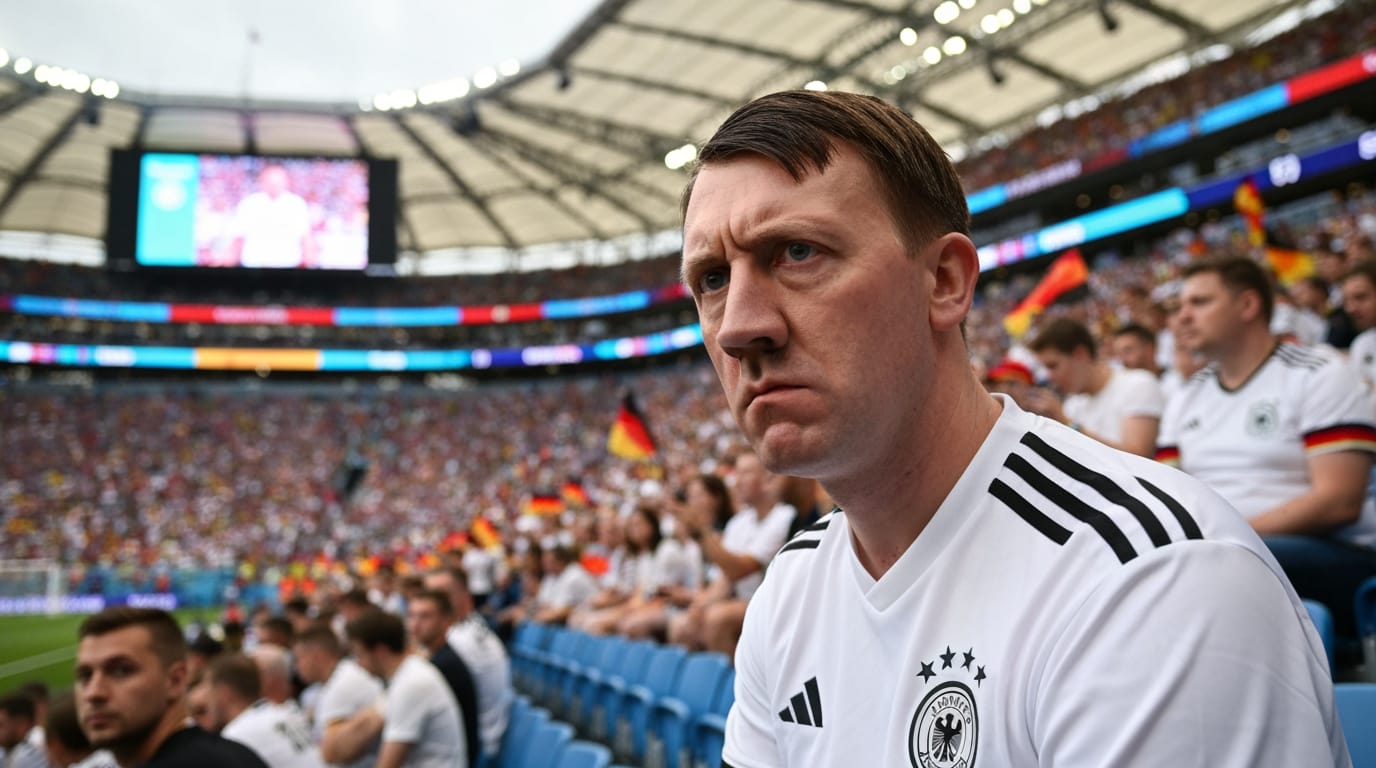
A digitally altered image purporting to show a fan resembling Adolf Hitler among German supporters at a recent FIFA World Cup match rapidly circulated across social media platforms, sparking widespread outrage and concern before being definitively debunked as a fabrication. The incident, which occurred during Germany's opening group-stage match against Curaçao, highlights the pervasive challenge of online misinformation during major global events.
The controversial image first gained traction following Germany's dominant 7-1 victory over Curaçao on June 14, 2026, in Houston. Shared extensively across X (formerly Twitter), Facebook, Instagram, Threads, and Reddit, the picture depicted a spectator in the stands with a small square mustache and deep-parted hairstyle, eerily reminiscent of the Nazi leader. Captions accompanying the image in multiple languages questioned its authenticity and expressed disbelief, contributing to its viral spread. Some social media users even humorously remarked on the apparent anachronism, joking that the late dictator had managed to secure World Cup tickets. The rapid dissemination of the image led to significant public discussion and concern about such a provocative display at an international sporting event.
However, closer scrutiny and fact-checking efforts quickly revealed the image to be a sophisticated digital manipulation. Investigations by fact-checking organizations, including AFP Fact Check, confirmed that the original broadcast footage from the Germany-Curaçao match did not feature anyone resembling Adolf Hitler. Instead, the authentic broadcast showed an "innocuous supporter with blond hair and a beard" holding a German flag, celebrating a penalty kick scored by Kai Havertz. The viral image was created by digitally altering this original footage, inserting the distinctive features associated with Hitler onto the fan's face. The background, surrounding fans, and stadium details remained largely identical, making the alteration appear seamless to many viewers. No credible media outlets, broadcasters, tournament officials, or stadium authorities reported the presence of such an individual at the match, further underscoring the fabricated nature of the claim.
The viral image’s rapid spread and the strong reactions it elicited are deeply rooted in Germany’s complex historical relationship with its past. The specter of Nazi Germany and Adolf Hitler remains a highly sensitive topic, particularly within Germany, which maintains some of the world's strictest laws regarding Nazi symbolism and propaganda. The nation has meticulously worked to confront its dark history, and any perceived resurgence or glorification of Nazi figures is met with profound condemnation both domestically and internationally. This historical context amplified the outrage and disbelief among many who encountered the manipulated image, making it particularly provocative and ensuring its swift viral journey. The incident inadvertently touched upon the nuanced and often complicated expression of national pride by Germans during international football tournaments, given post-World War II reservations about nationalism.
This incident serves as a stark reminder of the challenges posed by misinformation in the digital age, especially during high-profile global events like the World Cup. With millions of fans worldwide following matches and sharing content in real-time, altered images and videos can gain immense traction before their authenticity can be verified. Many accounts that initially shared the altered image were identified as meme pages or parody accounts, some using captions such as "Hitler was one of the biggest German fans today," potentially sharing the content in a satirical context. However, the line between satire and misleading information often blurs online, leading to genuine confusion and concern among a broader audience. The availability of sophisticated editing tools and the speed of social media sharing make it increasingly difficult for users to discern factual content from fabrications. The debunking of this image, alongside similar past hoaxes involving alleged Hitler look-alikes at other sporting events—some even identified as AI-generated—underscores the critical need for media literacy and critical thinking in navigating online information.
Ultimately, the viral image of a 'Hitler look-alike' at the Germany-Curaçao World Cup match proved to be a compelling, yet entirely false, narrative. While the initial shock and widespread discussion it generated were real, the underlying claim was rooted in digital manipulation. The incident not only highlights the persistent threat of online misinformation but also underscores the enduring sensitivity surrounding historical figures and symbols, particularly in nations striving to reconcile with painful pasts. It serves as a powerful testament to the necessity of fact-checking and the collective responsibility to verify information before sharing, helping to safeguard the integrity of public discourse against the tide of digital deception.


