Viral Vending Machine Stunt Lands French Teen in Singaporean Legal Crosshairs
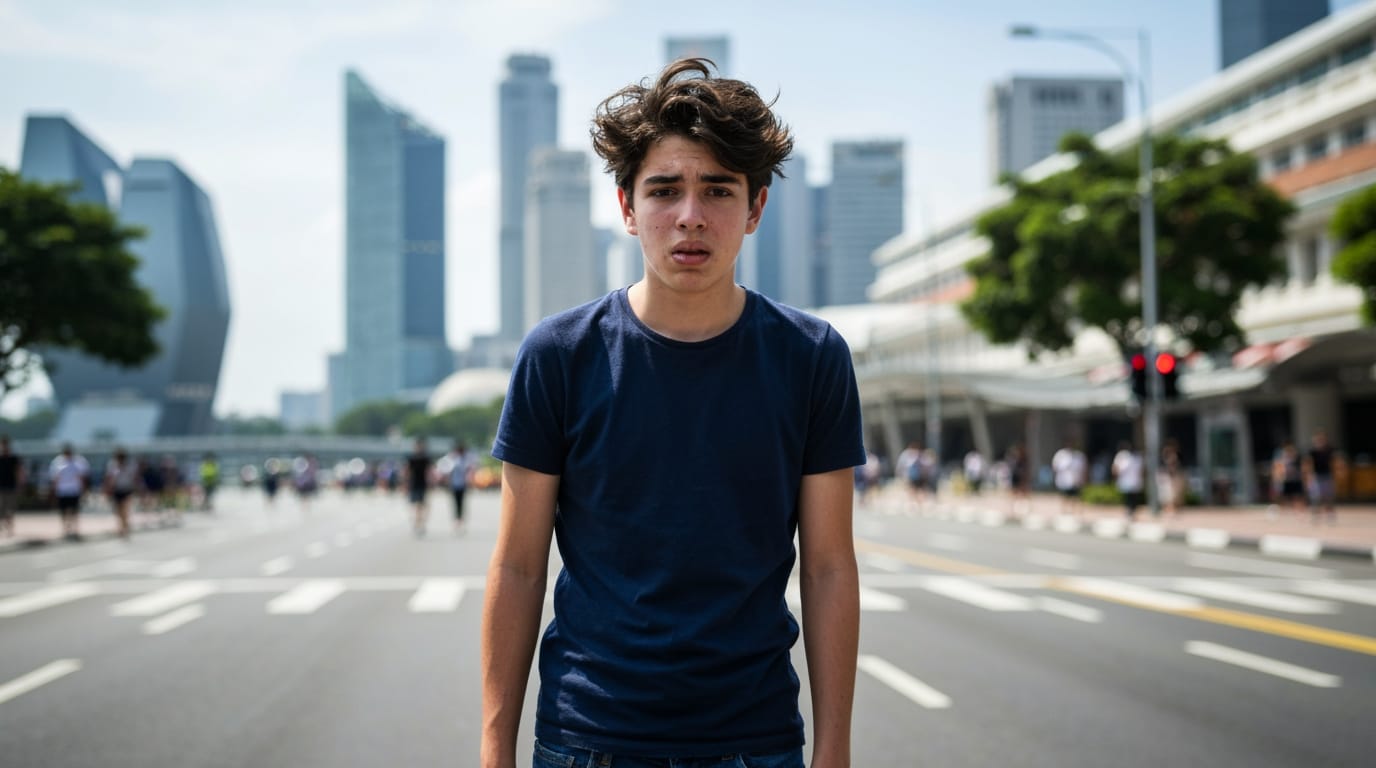
SINGAPORE – A seemingly innocuous social media prank involving a vending machine straw has thrust an 18-year-old French student into the spotlight of Singapore's strict legal system, highlighting the city-state's unwavering commitment to public order and the escalating repercussions for online antics. Didier Gaspard Owen Maximilien, now 19, faces charges that carry potential jail time, serving as a stark reminder that digital notoriety can quickly translate into real-world legal jeopardy, especially in a nation known for its rigorous enforcement of social norms.
The incident, which transpired on March 12, began as a fleeting moment captured for Instagram. Maximilien allegedly recorded himself removing a straw from an orange juice vending machine operated by iJooz, licking it, and then brazenly returning it to the dispenser. The video quickly gained traction online, going viral across social media platforms and sparking outrage among netizens and the public. What might have been dismissed as a trivial prank in other parts of the world was swiftly met with a police report filed by iJooz, compelling the company to undertake extensive sanitization measures and replace all 500 straws in the affected machine, incurring significant costs and public health concerns.
The swift and decisive response from both the public and authorities underscores Singapore's distinctive approach to maintaining public cleanliness and order. Unlike many Western nations where such an act might warrant a reprimand or, at most, a minor fine, Singapore's legal framework treats acts that disrupt public hygiene and cause public annoyance with considerable gravity. Maximilien was charged on April 24 with committing mischief and public nuisance, offenses that carry substantial penalties. The charge of mischief alone can lead to up to two years in prison, a fine, or both, while public nuisance is punishable by up to three months in prison, a fine, or both. This firm stance reflects a deeply ingrained societal value placed on collective well-being and the rule of law.
Despite the serious nature of the charges, the court granted Maximilien temporary leave to travel to Manila in May for a school trip, an essential component for his graduation from a French business school in Singapore. This conditional release, secured with a S$5,000 bond and the requirement to remain contactable, highlights a pragmatic aspect of the legal system while not diminishing the severity of the charges. He has since returned to Singapore and is slated to enter a plea on July 13, with court documents suggesting an intent to plead guilty.
Singapore's robust legal framework, particularly concerning public conduct and online activity, provides crucial context for understanding the gravity of Maximilien's situation. The city-state has long been recognized for its strict regulations, from prohibitions on chewing gum to severe penalties for littering and vandalism. This regulatory environment is not merely about maintaining aesthetics; it is deeply intertwined with Singapore's identity as a highly organized, safe, and efficient society. The Public Order Act, for instance, serves as a cornerstone for preventing disruptions to social harmony and public peace, balancing individual freedoms with collective societal interests.
In recent years, as social media has proliferated, Singapore has also extended its regulatory gaze to the digital realm. The introduction of legislation like the Online Safety Act and the Online Criminal Harms Act (OCHA) demonstrates a proactive approach to mitigating "online harms" and criminal activities conducted through digital platforms. These laws empower authorities to direct social media companies to block access to content deemed "egregious" or used for criminal activities, reflecting a broader governmental intent to ensure responsible online behavior. This legislative landscape means that acts perceived as minor pranks elsewhere can be interpreted as deliberate attempts to cause annoyance or damage within Singapore's legal framework.
The incident involving the French teen is not an isolated occurrence but rather part of a growing trend across Asia where online stunts, often aimed at generating viral content, are drawing severe penalties. From incidents in Japan involving unhygienic behavior at sushi restaurants to live streamers facing legal trouble in South Korea for disruptive pranks, governments in the region are increasingly demonstrating a zero-tolerance policy towards viral antics that undermine public order or cause distress. Experts suggest that social media platforms inadvertently amplify pressure on young people to push boundaries for "likes" and "views," often without fully considering the potential legal and societal ramifications. This dynamic creates a challenging environment where the pursuit of online fame can lead to unforeseen and harsh consequences.
For foreign residents and students in Singapore, Maximilien's case serves as a poignant cautionary tale. It underscores the critical importance of understanding and respecting local laws and cultural norms, which may differ significantly from those in their home countries. The pursuit of online entertainment or viral fame does not exempt individuals from accountability, particularly in a society that prioritizes collective well-being and public order. The case also ignites broader discussions about the balance between freedom of expression and social responsibility in the digital age, urging individuals to exercise greater discretion and empathy in their online conduct.
As Didier Gaspard Owen Maximilien prepares to enter his plea, his situation resonates beyond a mere legal proceeding. It has become a significant public discourse on the boundaries of acceptable online behavior, the responsibilities of social media users, and the unwavering commitment of Singapore to uphold its standards of public order and cleanliness. The outcome of his case will undoubtedly send a clear message about the consequences of underestimating the robust legal and social framework that governs life in this meticulously managed city-state.


