Voices from the Veil of Silence: Iranian Families Recount Fatal Shootings in Unrest
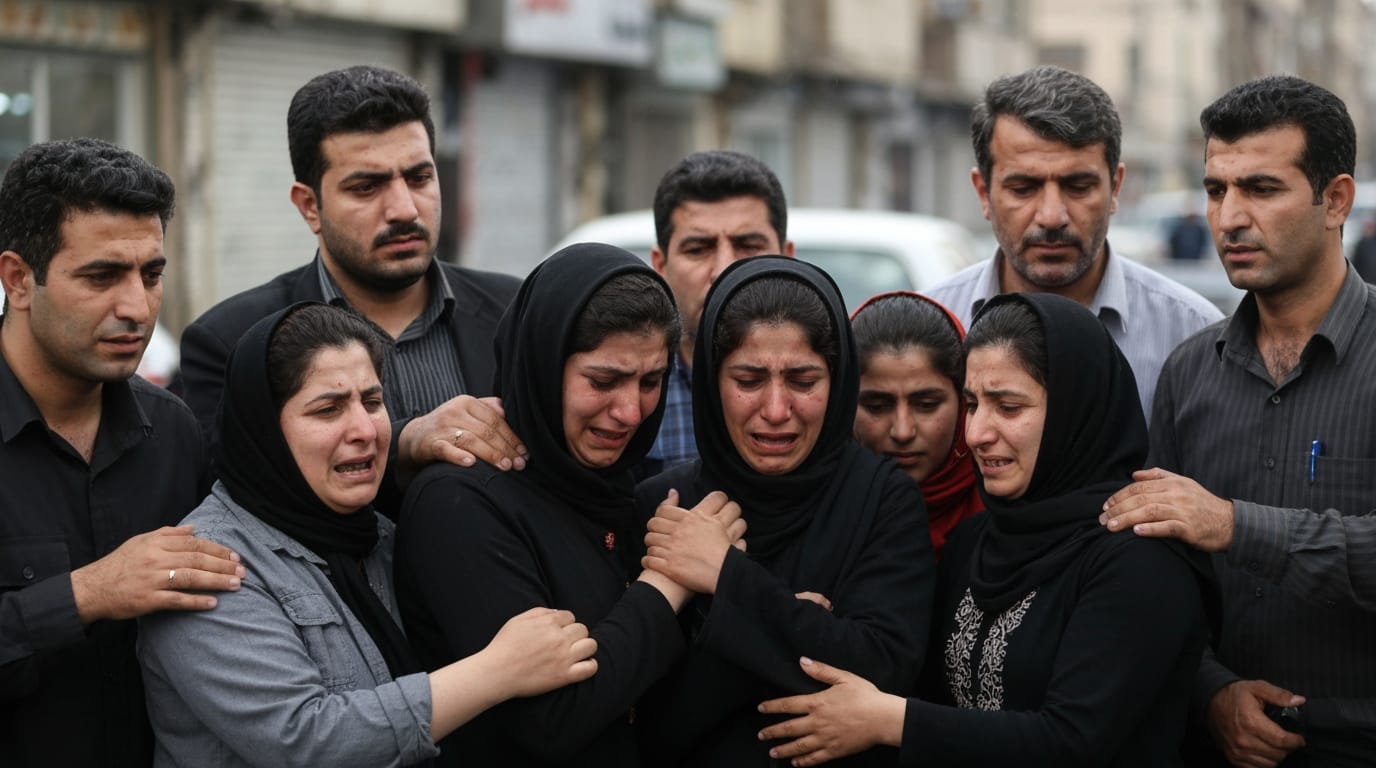
TEHRAN — In a nation gripped by cycles of protest and severe state crackdowns, the accounts of families who have lost loved ones to fatal shootings during Iran's recent unrest paint a stark picture of grief, intimidation, and an unwavering quest for justice. These narratives, often relayed through immense personal risk, reveal a systematic effort by authorities to silence dissent and control the truth surrounding the deaths of protesters, even as families grapple with unimaginable loss. The sheer scale of the crackdown, which has seen thousands killed and countless more injured, underscores the profound courage required to speak out.
The Agony of Witness: Individual Stories of Loss
Among the many tragic stories emerging from the protests, the experience of Robina Aminian's mother is particularly harrowing. Aminian, a college student, was believed to have been killed by a bullet to the back of her head. Her mother, in a desperate search, sifted through piles of bloodied corpses to find her daughter's body. To avoid further interference from authorities, who often demand payment for the return of bodies, the family hastily buried her in an unmarked roadside grave. This act of a mother searching through the deceased highlights the horrific aftermath faced by grieving families.
Similarly, the fate of Hadis Najafi, a 22-year-old fashion design student, became a symbol of defiance. Najafi was reportedly shot multiple times in the abdomen, neck, heart, and hand in Karaj on September 21, 2022, after joining protests. Her family faced immense pressure from Iranian authorities to declare her death as natural causes, a narrative they vehemently rejected. Despite attempts to suppress the truth, videos of Najafi, vibrant and full of life, circulated widely online, cementing her image as an icon of the protest movement.
Another poignant case is that of Nika Shakarami, a 16-year-old girl who vanished during protests on September 20, 2022, in Tehran. Her mother, Nasrin Shakarami, vehemently disputes the official claim that Nika died from a fall, asserting that her daughter succumbed to repeated blunt force trauma to the head. Following her death, authorities allegedly snatched Nika's body from a morgue and buried it in a remote location against her family's wishes, reportedly to prevent a public funeral that could further fuel protests. Her aunt and uncle were reportedly arrested and coerced into making false confessions on state television, claiming Nika died by suicide. These actions underscore the lengths to which state apparatuses have gone to control information and suppress public mourning.
A Pattern of Suppression: Intimidation and Control
The experiences of these families are not isolated incidents but reflect a broader, systemic pattern of intimidation and control by Iranian authorities. Families of victims consistently report facing immense pressure and threats, including demands for payment to release bodies, often termed "bullet money" or "costs associated with the use of live ammunition." Many are forced to sign documents falsely attributing the cause of death or declaring their loved ones were members of security forces. Refusal to comply can lead to bodies being withheld, secret burials, or further harassment.
Communication blackouts, particularly internet shutdowns, have been a pervasive tool used to isolate protesters and their families, severing their ability to share information with the outside world. This creates a terrifying vacuum for those seeking information about their missing or injured relatives. For families like that of Mehdi, whose cousin Alex in Texas learned of his death days later via a brief, tearful landline call, these blackouts intensify the anguish and prolong uncertainty.
The Unfolding Crisis: Protests and State Response
The current wave of protests, ignited by the death of 22-year-old Mahsa Amini in morality police custody in September 2022, has been described as one of the most widespread in Iran's recent history. Amini's death, which authorities claimed was due to a heart attack despite evidence of physical violence, sparked outrage and ignited the "Woman, Life, Freedom" movement. The state's response has been characterized by lethal force, with security forces firing live ammunition into crowds and employing severe beatings. Human rights groups report that hundreds, possibly thousands, have been killed, including many children. The sheer number of fatalities has overwhelmed morgues, with reports of bodies stacked in warehouses and trucks.
Beyond the individual deaths, there are instances of multiple casualties within single families, such as the Mostafavi family in Karaj, where Bijan Mostafavi, his wife, and their 19-year-old son were killed when their car was hit by gunfire. Similarly, Matin Montazerzohour and Sina Haqshenas, two relatives, were shot dead during protests in Shahroud. These cases illustrate the indiscriminate nature of the violence.
A Resilient Cry for Accountability
Despite the formidable state apparatus of repression, Iranian families, both within the country and in exile, continue to seek justice and draw international attention to the atrocities. Relatives of victims are often summoned and threatened by security bodies to prevent them from publicizing their stories or commemorating their loved ones. Yet, many, like Nika Shakarami's mother, persist in speaking out, accepting the risks involved.
The determination of these families to have their stories heard, to mourn their dead with dignity, and to demand accountability from those responsible, serves as a powerful counter-narrative to the state's efforts at suppression. Their experiences underscore a nation in pain, where the personal tragedies of individual families reflect a broader societal struggle for fundamental rights and freedoms. Their resilience ensures that the names and stories of those lost are not reduced to mere statistics but remain a potent call for justice on the international stage.


