Volkswagen Plant Eyes Historic Pivot from Cars to Defense Production
OSNABRÜCK, Germany – In a potentially transformative move for both the automotive and defense sectors, Volkswagen AG is reportedly in advanced discussions to convert its Osnabrück plant, historically a hub for car manufacturing, into a production facility for components of Israel's sophisticated Iron Dome air defense system. This strategic pivot, emerging amid significant pressures on the European auto industry and a surge in global defense spending, could safeguard approximately 2,300 jobs at the German facility and represents a notable reentry for the automaker into military-related production.
The proposed collaboration with Israeli defense firm Rafael Advanced Defense Systems comes at a critical juncture for Volkswagen's Osnabrück operations, which have faced dwindling demand and the looming threat of closure as the company navigates a challenging transition to electric vehicles and intensifying competition, particularly from Chinese manufacturers. The German government is reportedly a strong supporter of the initiative, viewing it as a way to repurpose industrial capacity and align with increased European defense needs.
A Strategic Shift Amidst Industrial Headwinds
The discussions between Volkswagen and Rafael Advanced Defense Systems signal a significant recalibration of industrial strategy, driven by both economic necessity and geopolitical realities. The European automotive sector is currently grappling with a confluence of challenges, including a slower-than-anticipated shift to electric vehicle production, fierce global competition, and rising operational costs. Volkswagen, like many of its peers, has been undergoing extensive restructuring, including plans to shed tens of thousands of jobs across its German operations by 2030 through voluntary programs and to optimize its production footprint. The Osnabrück plant, specifically, has been under pressure due to falling demand for its current car models, with vehicle production slated to end by 2027 under a cost-cutting plan initiated in 2024.
Against this backdrop, the burgeoning defense sector offers a new avenue for growth and stability. European nations, including Germany, have significantly increased their defense spending in recent years, spurred by heightened geopolitical tensions. Germany alone plans to invest over €500 billion in defense by 2030, with air defense systems identified as a top priority. This creates a robust demand environment for military hardware, making defense manufacturing an attractive prospect for industrial giants with transferable capabilities.
Iron Dome Components and Production Logistics
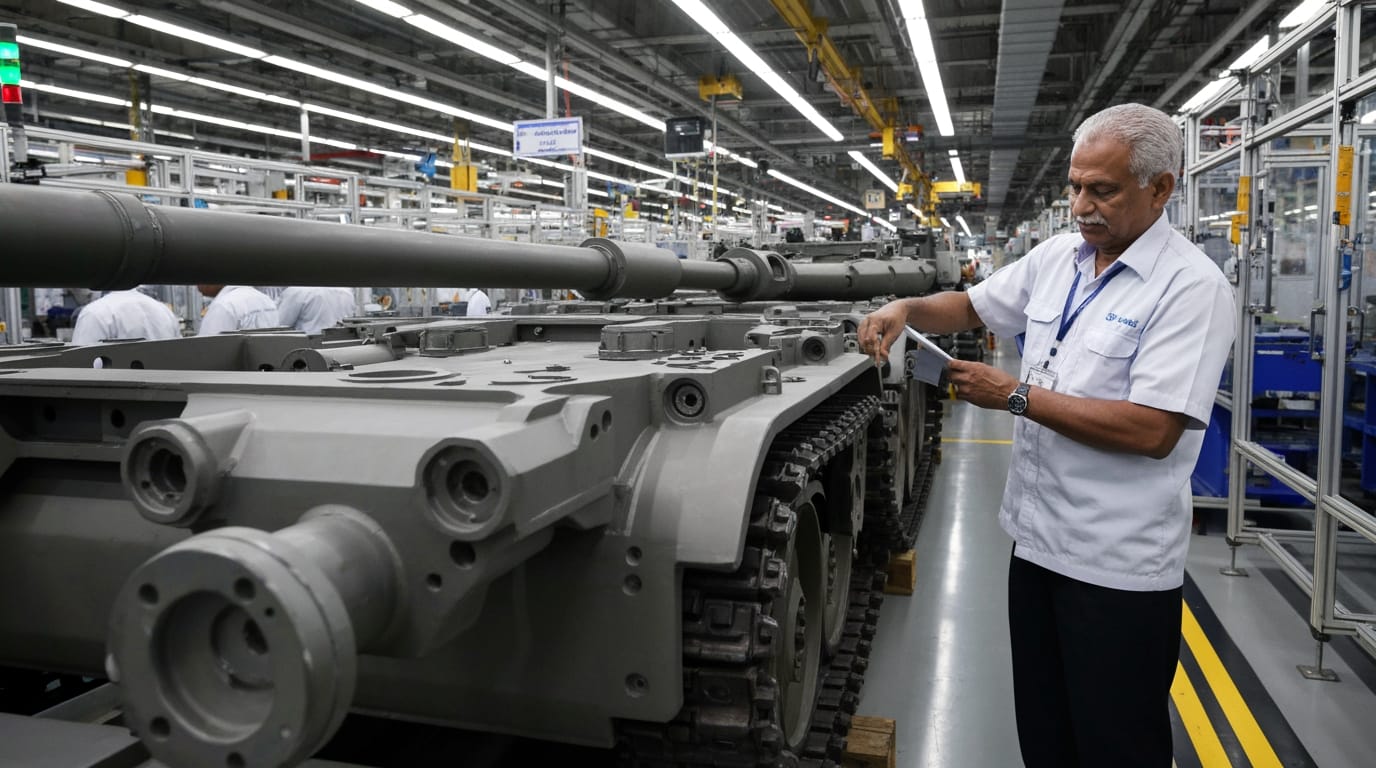
Under the terms of the potential agreement, the Osnabrück facility would be repurposed to manufacture specific, crucial components for Israel's Iron Dome air defense system. These would primarily include heavy-duty trucks designed to carry missile systems, as well as launchers and power generators essential for the system's operation. Importantly, the plan does not involve the production of the interceptor missiles themselves at the Volkswagen plant. Rafael Advanced Defense Systems intends to establish a separate, specialized site in Germany for missile manufacturing, recognizing the distinct requirements for handling such armaments.
Sources familiar with the negotiations indicate that the transition would not necessitate substantial new investment, with the shift described as "relatively straightforward." This is largely due to the adaptability of existing factory skills and tools, allowing for an efficient repurposing of manufacturing infrastructure. Production could commence within 12 to 18 months, provided that the plant's 2,300 workers agree to the shift in production focus. This employee consent is a crucial element, highlighting the human interest aspect of the proposal, as it aims to secure livelihoods in a region facing economic uncertainty.
A Return to Defense for Volkswagen
While widely known for its iconic automobiles, Volkswagen has a historical connection to defense manufacturing. During World War II, the company played a role in producing military vehicles and even components for the V1 flying bomb for Nazi Germany. More recently, Volkswagen's subsidiary MAN, through a joint venture with German arms group Rheinmetall, has been involved in producing military trucks.
This proposed partnership with Rafael, however, would mark a more direct and significant engagement with modern defense systems. It reflects a broader trend among European industrial companies, with even other automotive players like Renault entering the combat drone production market. The collaboration is seen as an opportunity to combine proven defense technology with Germany's renowned manufacturing prowess, potentially positioning the partnership to market these systems to other European governments.
Broader Implications and Future Outlook
The potential conversion of Volkswagen's Osnabrück plant carries significant implications beyond the immediate preservation of jobs and the production of Iron Dome components. It underscores a fundamental shift in Germany's industrial landscape, as traditional manufacturing giants explore diversification into new sectors to ensure long-term viability. The active support from the German government highlights a strategic national interest in bolstering defense capabilities and leveraging existing industrial capacity for security needs.
This development also occurs amidst ongoing debates regarding Germany's role in international security and its defense procurement policies. The country has deepened its defense ties with Israel, including significant deals for missile defense systems like the Arrow 3. The partnership between Volkswagen and Rafael could further integrate German industrial capabilities into this evolving defense framework. While the focus remains on components, the very nature of this collaboration highlights a complex interplay of economic pressures, geopolitical shifts, and the adaptive strategies of major corporations in a changing world. The coming months will determine if this historic pivot moves from negotiation to reality, reshaping the future of the Osnabrück plant and setting a precedent for industrial adaptation across Europe.