Volkswagen Profits Plummet by Nearly Half Amid Tariffs and Porsche Strategy Shift
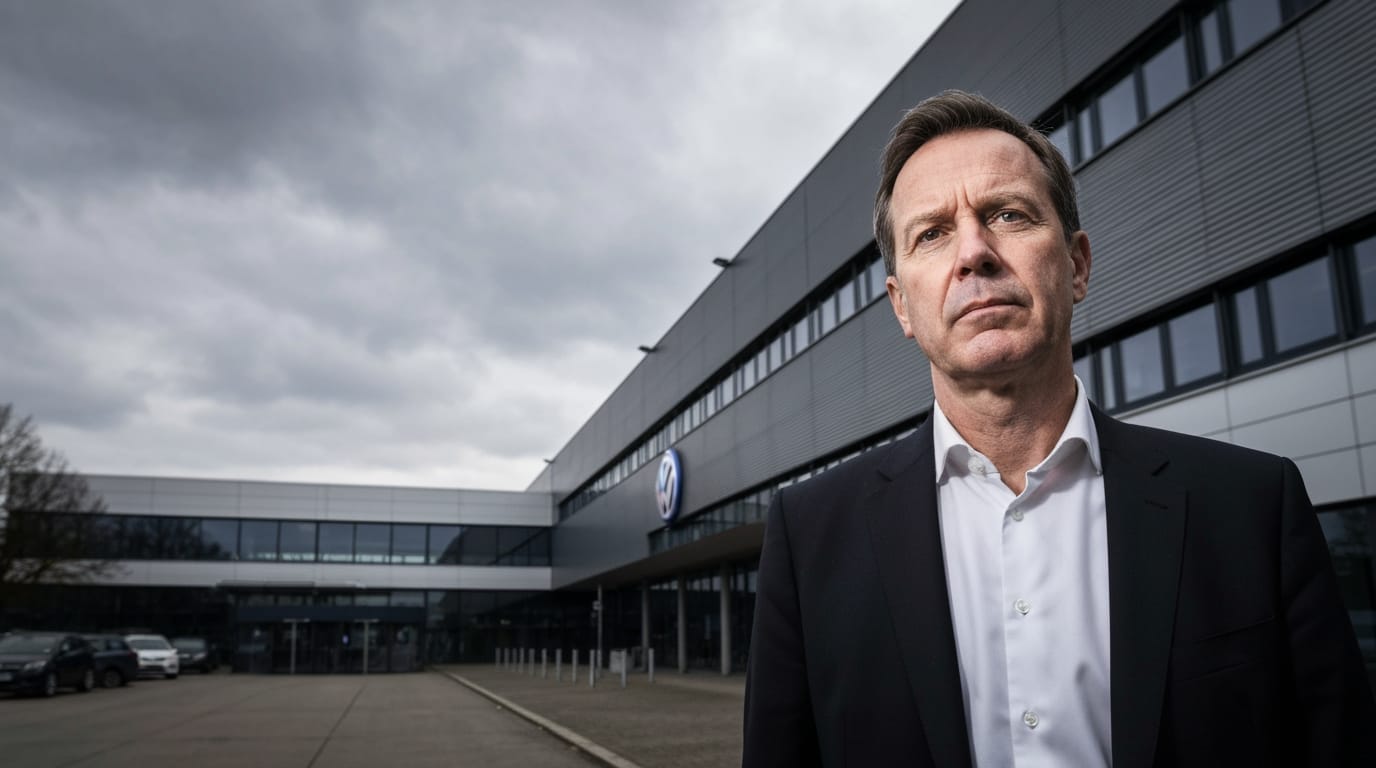
Wolfsburg, Germany – Volkswagen, Europe's largest automaker, announced a dramatic reduction in its financial performance for 2025, with operating profits plummeting by approximately half. The German automotive giant reported an operating profit of 8.9 billion euros, a significant 53% decline from the 19.1 billion euros recorded in 2024. This downturn, attributed largely to geopolitical tensions, US tariffs, and a strategic recalibration within its Porsche subsidiary, marks the company's lowest profit level since the 2016 diesel emissions scandal. The company also saw its consolidated net profit after tax fall by about 44%, from 12.4 billion euros in 2024 to 6.9 billion euros in 2025, while revenue remained largely stagnant at just under 322 billion euros.
The Steep Decline of 2025
The comprehensive financial report for 2025 painted a challenging picture for the Volkswagen Group. The operating profit, a key measure of a company's core business profitability, halved to 8.9 billion euros. This substantial drop from the previous year's 19.1 billion euros underscores a period of intense pressure for the automotive conglomerate. Concurrently, the net profit after tax also experienced a significant contraction, decreasing by around 44% to 6.9 billion euros. This steep decline occurred despite a relatively stable revenue figure, which saw a slight fall of 0.8% to 321.9 billion euros from 324.7 billion euros in 2024, indicating that profitability was severely impacted by rising costs and external factors rather than a collapse in sales volume. The third quarter of 2025 was particularly difficult, as the Group slipped into the red with a loss exceeding one billion euros.
Unpacking the Headwinds: Tariffs, Strategy, and Competition
Several critical factors converged to erode Volkswagen's profitability in 2025. A primary contributor was the imposition of tariffs by the United States, specifically under former President Donald Trump's administration, which had a multi-billion euro negative impact. These trade barriers significantly increased the cost of doing business in a crucial global market.
Internally, a strategic shift within the premium sports car brand Porsche also played a role in the parent company's financial struggles. The decision to extend the lifespan of combustion engines at Porsche had negative repercussions that affected the broader Volkswagen Group. This highlights the complexities and potential financial costs associated with internal strategic realignments within a large, multi-brand conglomerate.
Furthermore, the company grappled with intense competition across various markets, particularly in the burgeoning electric vehicle (EV) sector where Chinese rivals continue to gain market share. While overall vehicle deliveries reached 8.98 million units in 2025, growth in the European market was insufficient to offset notable declines in crucial markets like China and North America. This geographical imbalance in sales performance exacerbated the financial pressures. Rising fixed costs and substantial one-off expenses, totaling 2.6 billion euros primarily for restructuring initiatives, further squeezed the company's margins throughout the year.
Restructuring and Workforce Impact
In response to the deteriorating financial landscape, Volkswagen has embarked on significant restructuring efforts. The company announced plans to eliminate approximately 50,000 jobs by 2030, with a particular focus on its operations within Germany. This decision follows earlier considerations in late 2024 to potentially close three plants and reduce staff pay in Germany, signaling the depth of the challenges faced. While the carmaker ultimately decided against closing factories, the extensive job cuts underscore the urgent need for cost reduction and increased efficiency. Arno Antlitz, Volkswagen Group's Chief Financial Officer, has repeatedly emphasized the company's commitment to "consistently reducing costs and increasing profitability" as a core priority moving forward. This restructuring is an attempt to streamline operations and adapt to the evolving demands of the global automotive industry.
Broader Industry and Economic Implications
Volkswagen's financial difficulties in 2025 are not isolated incidents but rather reflect broader challenges confronting the European automotive industry. The transition towards electric vehicles, coupled with fierce competition from Asian manufacturers and fluctuating global demand, continues to place immense pressure on established carmakers. The company's struggles to increase sales in key markets like China, where deliveries fell almost 10% in 2024, are indicative of the wider shifts occurring in the global automotive landscape. The situation at Volkswagen has also heightened concerns about Germany's position as an industrial powerhouse, as the German economy itself has faced periods of recession. The substantial investments required for the electric vehicle transition, combined with slowing growth in battery-electric car sales in some regions, present a complex environment for companies like Volkswagen.
Navigating a Challenging Road Ahead
Looking forward, Volkswagen anticipates another challenging year in 2026, though with some signs of potential improvement. The company forecasts a revenue increase of up to three percent and aims for an operating return on sales between four and 5.5 percent, a significant improvement over the 2.8 percent recorded in 2025. Despite this cautiously optimistic outlook, CFO Antlitz acknowledges that the forecast reflects ongoing global economic uncertainties, trade restrictions, and intense competition. The path to recovery will necessitate continued rigorous cost management, strategic adaptation to geopolitical shifts, and a renewed focus on market competitiveness. Volkswagen's ability to navigate these complex headwinds will determine its trajectory in the rapidly evolving global automotive landscape.


