Volkswagen's Workforce Dilemma: A Legacy Becomes a Liability in an Era of Radical Transformation
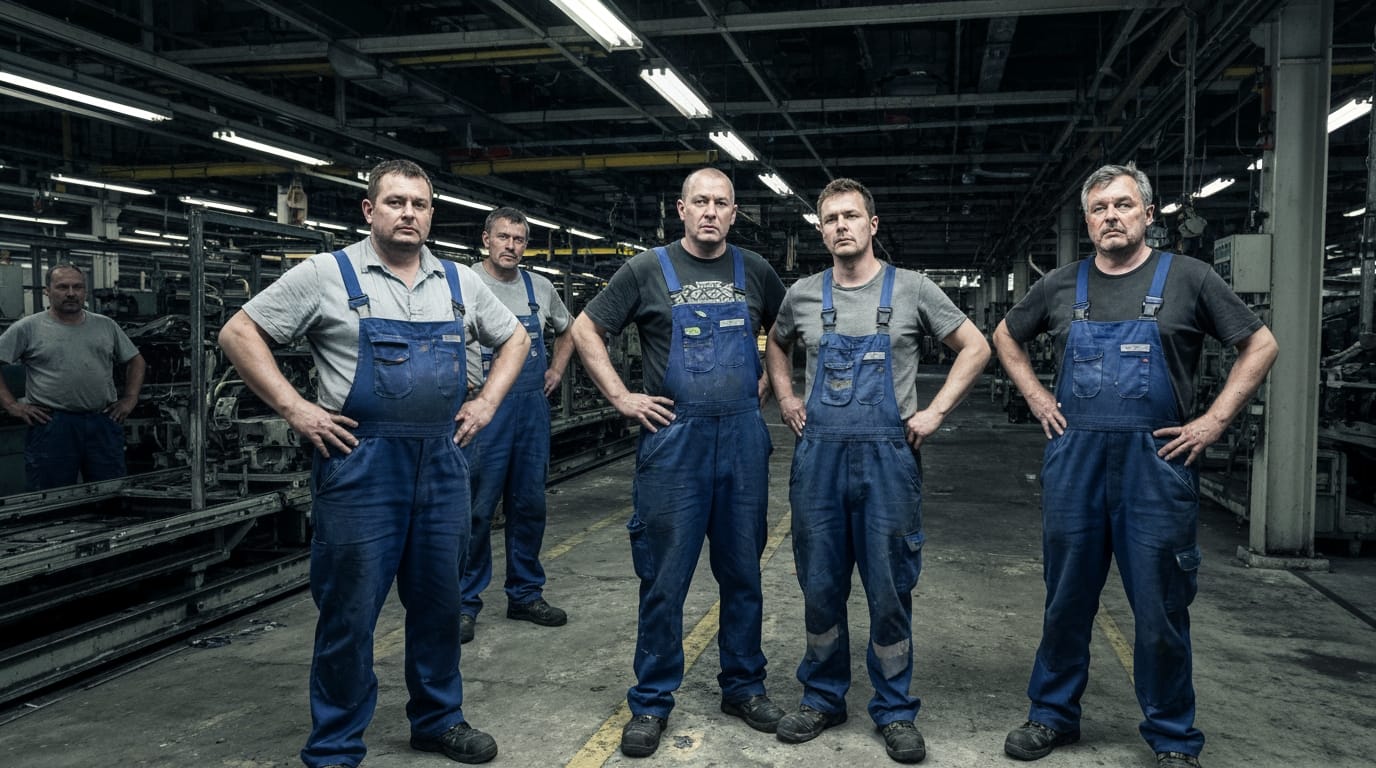
WOLFSBURG, Germany – Once a global emblem of German industrial prowess and a bastion of employment, automotive giant Volkswagen is now confronting its massive workforce as a critical impediment to navigating an era of unprecedented industry upheaval. The company, which boasts a global workforce of over 650,000 employees, is embarking on what is being described as the largest restructuring in its history, proposing to eliminate up to 100,000 jobs worldwide and shuttering multiple German factories. This drastic recalibration underscores a fundamental shift in the automotive landscape, where the scale that once guaranteed stability now threatens agility and profitability.
The Weight of Legacy and the Dieselgate Catalyst
For decades, Volkswagen's extensive workforce, deeply rooted in Germany's co-determination model and powerful labor unions, was a source of national pride and corporate strength. It symbolized robust manufacturing capabilities and a commitment to social welfare. However, this ingrained structure began to face intense scrutiny in the wake of the 2015 "Dieselgate" emissions scandal. The scandal, which exposed Volkswagen's deliberate use of "defeat devices" to cheat on emissions tests, resulted in billions of dollars in fines, penalties, and buyback costs, significantly tarnishing the company's reputation and financial standing. While the scandal itself was not directly about workforce size, it catalyzed a profound internal reflection and accelerated Volkswagen's strategic pivot towards electrification and digitalization. This shift, in turn, illuminated the looming challenge posed by a workforce largely skilled in traditional internal combustion engine technology. The company agreed to pay more than $25 billion to compensate affected consumers.
Navigating the EV Transition: Overcapacity and New Skill Demands
The automotive industry's rapid transition from fossil fuels to electric vehicles (EVs) and increasingly digital ecosystems has created a profound skills mismatch within Volkswagen. The production of EVs often requires fewer components and different manufacturing processes than traditional gasoline or diesel cars, leading to a surplus of staff in conventional areas. Simultaneously, there's a burgeoning demand for specialized talent in software development, battery technology, and digital engineering – areas where the existing workforce often lacks the necessary expertise. This technological paradigm shift has rendered a significant portion of Volkswagen's manufacturing capacity redundant. Global vehicle sales for the company reportedly fell from 11 million units in 2019 to around 9 million last year, contributing to substantial overcapacity. Volkswagen CEO Oliver Blume has indicated that the company plans to reduce its annual production capacity from 12 million to 8 million vehicles. This reduction in volume directly translates to less need for the large labor force that supported higher production numbers.
Financial Pressures and the Call for Drastic Measures
The economic imperative driving Volkswagen's proposed restructuring is stark. The company's underlying business has been under pressure for years, with its operating profit plunging 53.5% year over year in 2025 and its operating margin dropping to a mere 2.8%. This financial strain is compounded by intensifying global competition, particularly from agile and cost-effective Chinese automakers, alongside the impact of global trade tariffs and cooling demand in key markets like China.
To counteract these pressures and achieve its target of an 8% to 10% operating return on sales by 2030, Volkswagen is pushing for substantial cost reductions. The ambitious plan includes securing more than $7 billion in annual net cost savings by 2030 and reducing labor costs by €1.5 billion per year. This drive for efficiency has led to the proposal of unprecedented job cuts. Initial restructuring agreements in 2024 aimed to eliminate 35,000 jobs in Germany by 2030, and later 50,000 across the group. However, recent reports indicate that management now deems these cuts insufficient, with new proposals suggesting the elimination of up to 100,000 jobs globally from a total workforce of approximately 657,000 to 680,000. As part of this sweeping overhaul, the company is considering closing four German production facilities: Hanover, Zwickau, Emden, and Audi's Neckarsulm plant, which together employ over 45,000 people. The Dresden plant ceased vehicle production at the end of 2025. Volkswagen is also exploring the divestiture of non-core assets, including its marine engine business and potentially high-value brands like Ducati and Lamborghini, to raise capital and streamline its operations.
The Human Element and the Power of Labor
These radical proposals have ignited significant tension, particularly in Germany, where Volkswagen's labor relations are governed by strong union representation and a powerful works council. Previous agreements between management and labor unions had provided job security and prevented compulsory layoffs and factory closures until the end of the current decade. The current, more aggressive restructuring plans directly challenge these established protections, leading to strong opposition from unions like IG Metall and employee representatives on Volkswagen's supervisory board. The German government has also voiced its desire to prevent the closure of domestic plants, acknowledging the deep societal impact of such decisions while ultimately recognizing the company's autonomy in commercial matters. The debate highlights the delicate balance between a company's need for profitability and efficiency in a hyper-competitive global market, and its historical obligations and social responsibility to its long-serving workforce and the communities built around its factories.
Conclusion
Volkswagen stands at a critical crossroads. The colossal workforce, once a bedrock of its success and a testament to its industrial might, has, in the face of unprecedented technological disruption and fierce global competition, become a significant financial and strategic burden. The transition to electric mobility, coupled with stagnating sales and eroding profitability, necessitates a leaner, more agile organization. While the proposed job cuts and factory closures represent an agonizing process, they are increasingly framed as a matter of corporate survival rather than mere optimization. The outcome of these negotiations will not only shape Volkswagen's future trajectory but also serve as a profound case study for legacy automakers globally grappling with the immense challenges of a rapidly transforming industry.