Washington State Grapples with Catastrophic Flooding, Thousands Evacuated
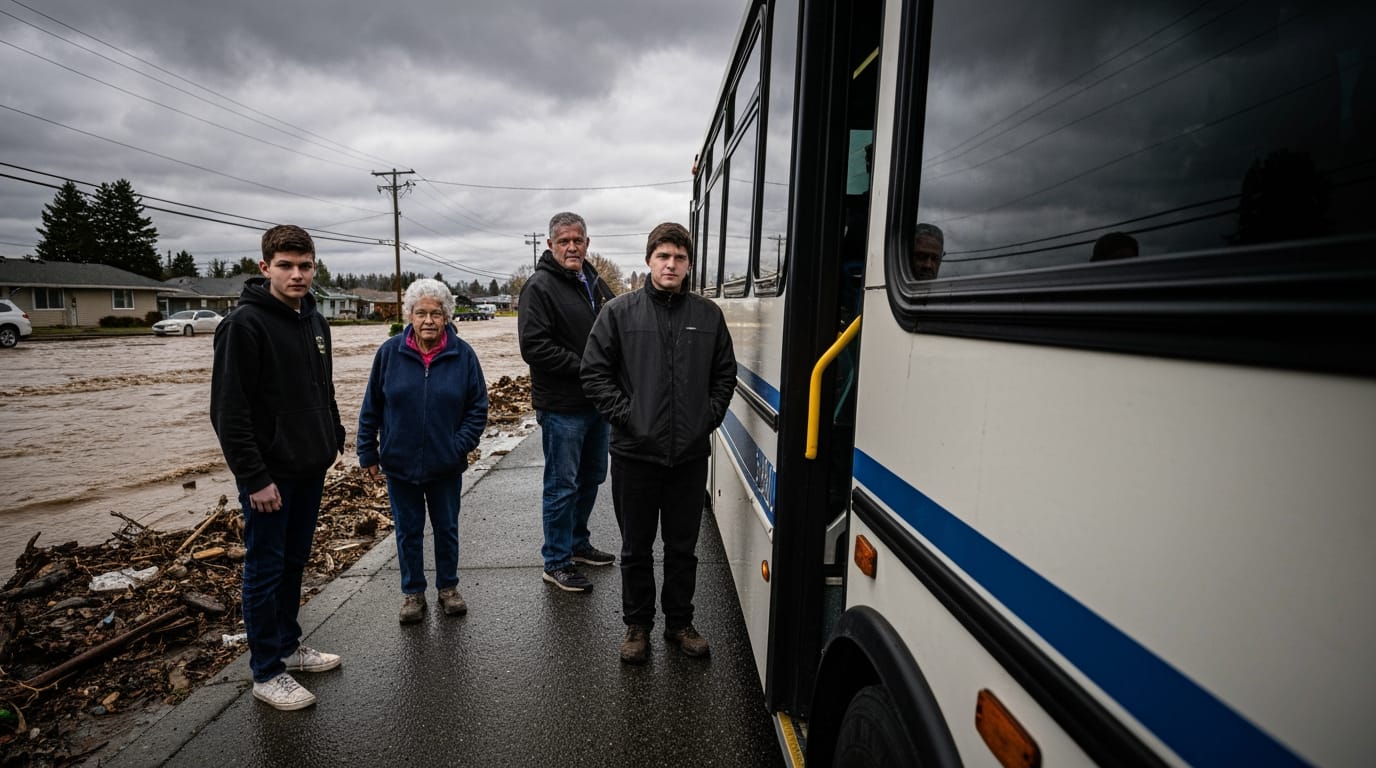
Mount Vernon, WA – Days of relentless rainfall, fueled by an exceptionally powerful atmospheric river, have plunged significant portions of Washington state into a state of emergency, triggering widespread, life-threatening floods and forcing tens of thousands of residents from their homes. The deluge, which began around December 8, 2025, has caused rivers to swell to record or near-record levels, inundating communities, severing vital transportation routes, and prompting a massive, multi-agency emergency response across western Washington.
Unprecedented Rainfall and Rising Waters Overwhelm Communities
The severe flooding is the direct result of an atmospheric river, described by meteorologists as a "jet stream of moisture" that stretched an astonishing 7,000 miles across the Pacific Ocean from the Philippines to the Pacific Northwest. This powerful weather system delivered historic levels of precipitation, with some high-elevation areas in the Cascades receiving more than a foot of rain since the start of the week. The intense rainfall, coupled with rapid snowmelt in certain regions, quickly saturated the ground and overwhelmed river systems.
Governor Bob Ferguson declared a statewide emergency on Wednesday, December 10, as the severity of the situation became clear, warning that "lives will be at stake." As of Thursday, December 11, parts of six major rivers in Washington—the Skagit, Skykomish, Snohomish, Snoqualmie, Cedar, and Cowlitz—had reached major flood stage, the highest level on the scale. Other rivers, including the Chehalis and Puyallup, also experienced significant flooding. The National Weather Service issued warnings of potentially catastrophic and life-threatening floods, particularly along the Skagit and Snohomish rivers.
Mass Evacuations and Widespread Disruption
The escalating floodwaters led to urgent evacuation orders for tens of thousands of residents across affected counties, including Snohomish, King, Chelan, Kittitas, Pierce, and Skagit. In Skagit County, a major agricultural region north of Seattle, officials issued evacuation orders for everyone within the Skagit River's 100-year floodplain, affecting an estimated 78,000 people. Communities such as Mount Vernon, Burlington, Hamilton, La Conner, Lyman, and Sedro-Woolley were particularly impacted by these directives. Authorities in Mount Vernon, a city accustomed to flooding, expressed concern about historic river levels potentially topping existing floodwalls and compromising older levee systems. In total, an estimated 100,000 Washington residents were expected to face evacuation orders.
Beyond residential displacement, the floods caused extensive disruption to infrastructure and daily life. Dozens of roads and highways were closed across wide swaths of the state, including key sections of Interstate 90 and U.S. 2, due to standing water, mudslides, and debris. Water rescues became a common occurrence, with emergency crews extracting individuals from vehicles and homes in areas like Fall City, Orting, and Sumas. Power outages also affected more than 11,000 customers statewide as of Thursday night. Schools in Skagit County were closed for multiple days, and Amtrak train services between Seattle and Vancouver were suspended.
Coordinated Emergency Response and Aid Efforts
In response to the unfolding crisis, a robust emergency network mobilized across Washington state. Governor Ferguson's emergency declaration facilitated the deployment of state resources and paved the way for federal assistance. Hundreds of National Guard members were activated, with some already on the ground assisting with rescues and sandbagging efforts, and more en route to support communities. The state formally requested an expedited emergency declaration from the federal government to help cover response and recovery costs.
Mutual aid also arrived from neighboring states, with California deploying fire and rescue resources, including swift water rescue teams, Urban Search and Rescue Task Forces, and incident support personnel, to aid Washington's overwhelmed emergency services. Aid organizations played a crucial role in supporting displaced residents. The American Red Cross established at least eight emergency shelters and deployed additional teams and supplies, coordinating closely with state and local officials. The Salvation Army and various local nonprofits also prepared to offer assistance, focusing on immediate needs like shelter, food, and emotional support. As of midday Thursday, no fatalities had been reported due to the storms or flooding, a testament to the early warnings and rapid response efforts.
The Broader Context: Atmospheric Rivers and Climate Change
While the immediate focus remains on managing the current disaster, the event highlights a broader pattern of intensifying weather phenomena. Atmospheric rivers are natural occurrences critical for water supply in the Pacific Northwest, but scientists warn that their frequency and intensity are increasing due to climate change. Rising ocean and air temperatures contribute to atmospheric rivers becoming wetter and longer, leading to more extreme rainfall and a heightened risk of severe flooding and landslides.
This event follows a history of significant floods in Washington, with past incidents causing millions in damages, widespread evacuations, and even fatalities. The current flooding is considered among the most severe in decades, challenging infrastructure and demanding substantial resources for both immediate response and long-term recovery. Experts emphasize that continued investment in infrastructure upgrades, improved flood protection systems, and resilient roadways will be essential for the state to adapt to these evolving climate patterns.
As the waters slowly recede in some areas, the arduous task of damage assessment and recovery will begin. The full economic impact, including disruptions to agriculture and tourism, is yet to be tallied. The current crisis underscores the vulnerability of Washington's communities to powerful weather systems and emphasizes the ongoing need for preparedness and community resilience in the face of a changing climate. While the immediate forecast suggests a brief lull, meteorologists are already tracking another atmospheric river expected to impact the region early next week, posing a continued threat of renewed flooding.


