Weary Ukrainian Soldiers See Bleak Prospects for Peace on the Front Lines
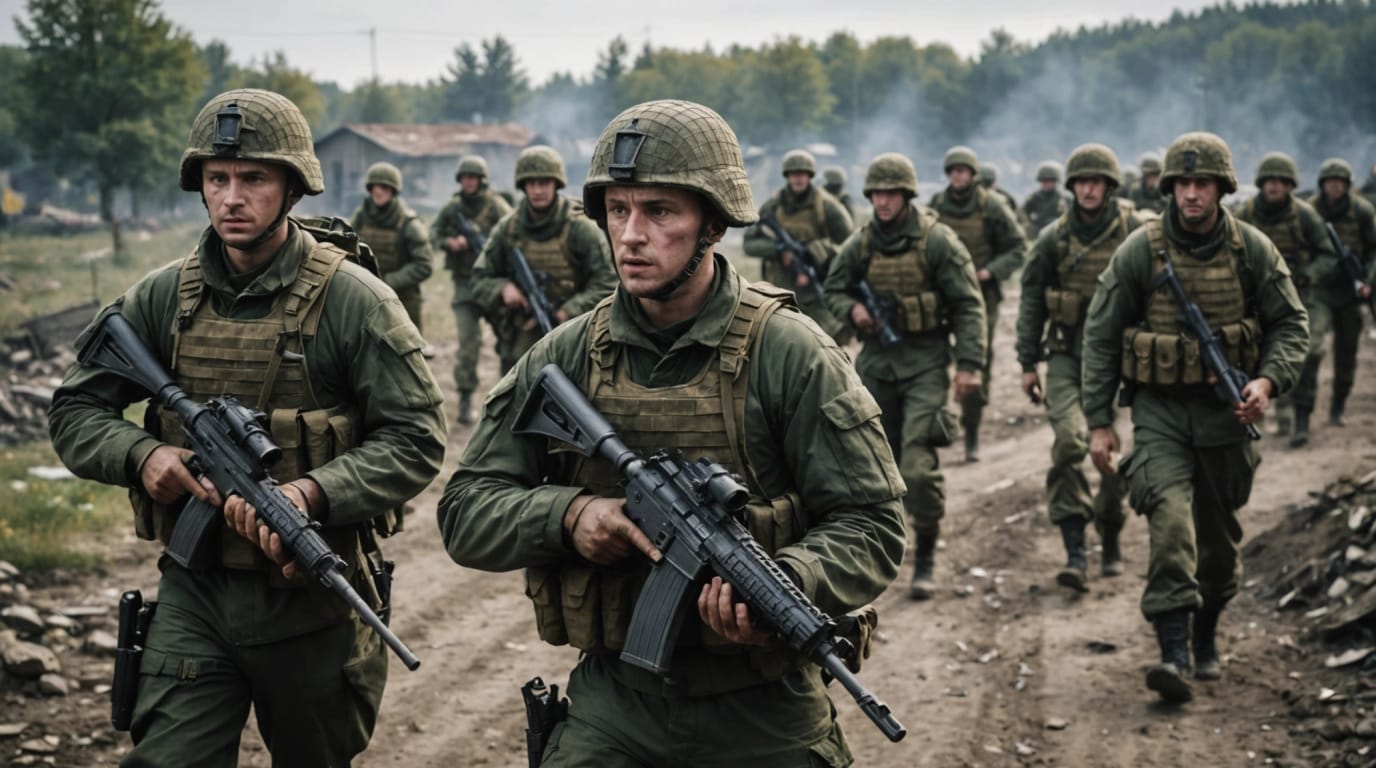
KYIV, Ukraine – On the front lines of the war in Ukraine, hope for a swift and just peace is dwindling among the soldiers who bear the brunt of the fighting. As the conflict grinds into its fourth year, many Ukrainian troops express deep skepticism about the possibility of a negotiated settlement that would truly secure their nation's freedom and territorial integrity. The soldiers' grim outlook comes amid shifting geopolitical winds and growing uncertainty about the future of international support for Ukraine.
Diminishing Hopes for a "Just Peace"
While Ukrainian President Volodymyr Zelenskyy continues to emphasize the need for a "just peace" in his public statements, frontline soldiers paint a different picture. Many believe the most likely outcome is a frozen conflict, a scenario that would allow Russia to regroup and potentially launch a larger offensive in the future. Ihor, a soldier from the 23rd Mechanized Brigade with the callsign "Rogue," voiced concerns that any truce would likely be temporary, echoing a sentiment shared by many of his comrades.
The skepticism stems from past experiences with ceasefire agreements, such as the Minsk I and Minsk II accords, which failed to halt the fighting and ultimately preceded Russia's full-scale invasion in 2022. Soldiers fear that any new agreement brokered under unfavorable conditions could simply provide Russia with a respite to rearm and prepare for another attack.
Eroding Trust in Western Guarantees
Adding to the pessimism is a growing distrust of external "security guarantees" from the West. Some soldiers feel that the United States and other allies have not demonstrated a genuine commitment to ending the war on terms favorable to Ukraine. This sentiment has been fueled by concerns about wavering international support and the potential for a shift in U.S. policy.
The soldiers' lack of faith in Western guarantees is rooted in a perception that Ukraine has been left to fight the war largely on its own, with insufficient military and financial assistance from its allies. They argue that without a stronger and more sustained commitment from the West, Ukraine will be unable to defeat Russia and secure a lasting peace.
The Trump Factor
The re-election of Donald Trump as U.S. president has further clouded the prospects for peace, according to some soldiers. Trump's past statements suggesting a willingness to negotiate with Russian President Vladimir Putin have raised fears that the U.S. could push Ukraine into accepting a deal that sacrifices its interests.
Some soldiers express concern that Trump's focus on ending the war quickly could lead to a settlement that fails to address the underlying issues driving the conflict, such as Russia's territorial ambitions and its desire to undermine Ukraine's sovereignty. They worry that a premature peace agreement could leave Ukraine vulnerable to future aggression.
Weariness and Determination
Despite their bleak outlook, Ukrainian soldiers remain determined to defend their country. They emphasize that they are prepared to keep fighting for their land and preserving their freedom, even if the odds are stacked against them. "Ukrainian soldiers believe only in themselves," said one soldier, encapsulating the prevailing mood of self-reliance and resilience.
However, the prolonged conflict has taken a heavy toll on the Ukrainian military. Soldiers are exhausted by the constant fighting and the loss of comrades. There are reports that new recruits lack the necessary training and motivation, further straining the already stretched resources of the armed forces.
The Risk of a Frozen Conflict
The prevailing sentiment among Ukrainian soldiers is that the war is unlikely to end with a clear victory for either side. Instead, they anticipate a protracted conflict that could drag on for years, with periods of intense fighting interspersed with uneasy truces. This scenario raises the specter of a frozen conflict, where the front lines remain static but the underlying tensions persist, threatening to erupt into renewed violence at any time.
A frozen conflict would have profound implications for Ukraine. It would leave the country divided, with a significant portion of its territory under Russian occupation. It would also hinder Ukraine's economic development and its aspirations to join the European Union and NATO.
Conclusion
As the war in Ukraine enters a critical phase, the voices of the soldiers on the front lines offer a sobering assessment of the prospects for peace. Their skepticism about negotiated settlements, their distrust of Western guarantees, and their weariness from the prolonged fighting paint a grim picture of the challenges ahead. While the desire for peace is universal, many Ukrainian soldiers believe that a just and lasting peace is unlikely to be achieved anytime soon. They remain committed to defending their country, but they also recognize that the road ahead will be long and arduous. The international community faces the challenge of either providing Ukraine with the resources it needs to win the war or working towards a sustainable peace agreement that protects Ukraine's sovereignty and territorial integrity, a feat that seems increasingly difficult to achieve.


