West Bank Under Siege: Settler Violence Surges Amid Regional Tensions with Iran
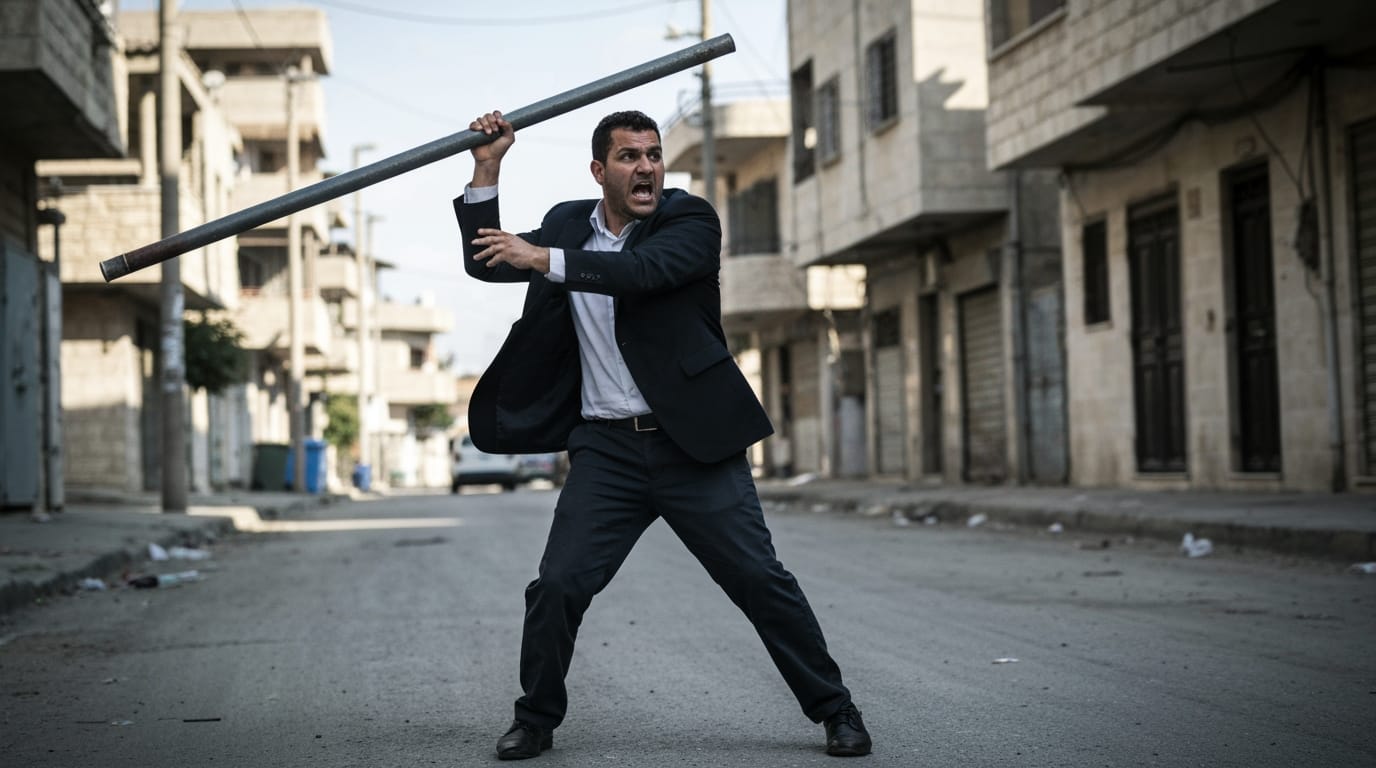
The occupied West Bank is experiencing a dangerous surge in Israeli settler violence, a grim development unfolding amidst the backdrop of escalating regional hostilities between the United States, Israel, and Iran. As international attention remains largely fixed on the broader geopolitical confrontation, Palestinian communities in the West Bank find themselves increasingly vulnerable, facing deadly attacks and heightened restrictions on movement that human rights groups contend are enabling further aggression. This confluence of factors paints a harrowing picture for the region, where local conflicts are being exacerbated by wider power struggles.
The Alarming Rise in West Bank Casualties
Since the US-Israel air campaign against Iran commenced around February 28, 2026, the West Bank has witnessed a marked increase in violence perpetrated by Israeli settlers. At least six Palestinians have been killed in settler-related incidents since the beginning of March 2026, with numerous additional reports of assaults, property damage, and threats. Villages near Ramallah, such as Abu Falah and Qaryut, have been particularly affected, with families mourning loved ones lost to gunfire and other forms of aggression. For instance, on March 7, three Palestinians were shot and killed by Israeli settlers, two in Abu Falah and one in Masafer Yatta in the South Hebron Hills. Another Palestinian died from tear gas inhalation during a subsequent Israeli forces operation in Abu Falah.
These incidents are not isolated occurrences but rather part of a broader pattern. Israeli monitoring group Yesh Din reported over 109 incidents of settler violence in the West Bank since the start of the conflict with Iran, encompassing shootings, assaults, property destruction, and intimidation. Rights groups like B'Tselem highlight that all settler killings of Palestinians this year have occurred in the recent weeks, coinciding directly with the onset of the Iran conflict. The severity of these attacks, often involving armed settler groups, has led to injuries among dozens of Palestinians, some from live ammunition.
Exploiting the Fog of War: Movement Restrictions and Vulnerability
Critics and human rights organizations argue that the Israeli military's imposition of severe movement restrictions across the West Bank, ostensibly for security reasons related to the conflict with Iran, has created an environment conducive to increased settler violence. Roads have been blocked with iron gates and earth mounds, effectively curtailing the freedom of movement for Palestinians. These restrictions have had dire consequences, delaying ambulances from reaching injured Palestinians and leaving remote villages acutely vulnerable to settler incursions.
The Israeli military maintains that these roadblocks and restrictions are necessary preemptive security measures during its airstrikes against Iran and Hezbollah, the latter of which has launched missiles at Israel in support of Tehran. However, Palestinian residents and human rights advocates contend that these measures disproportionately affect Palestinian communities, trapping them between regional conflict in the skies and armed settler groups on the ground. The UN has reported that nearly 700 Palestinians were displaced by settler violence between early 2025 and February 2026, a trend exacerbated by the current security climate. Furthermore, the lack of accountability for settler violence remains a significant concern, with only a small percentage of documented cases leading to indictments.
Iran's Shadow: Regional Destabilization and Palestinian Exploitation
While the immediate perpetrators of the violence are Israeli settlers, the broader regional conflict involving Iran has significant implications for the West Bank. Several analyses suggest that Iran views the Palestinian territories, including the West Bank, as a crucial arena in its ongoing proxy conflict with Israel. Iran is reportedly engaged in efforts to arm and finance militant groups such as Hamas and Palestinian Islamic Jihad (PIJ) in the West Bank, often utilizing clandestine smuggling routes through Jordan. This strategy aims to foment instability and open new fronts against Israel, diverting Israeli military resources and creating a "ring of fire" around the state.
This Iranian involvement is perceived by some as exploiting the Palestinian cause for its own geopolitical objectives, seeing Palestinian groups as tools rather than genuinely caring for their liberation. The goal is to keep Israel occupied and distracted, potentially from its nuclear program or other regional ambitions. The current regional escalation, therefore, risks deepening the crisis in the West Bank, as it provides a convenient cover for both increased settler aggression and potential Iranian-backed destabilization efforts.
International Outcry and Calls for Accountability
The international community has widely condemned the escalating settler violence in the West Bank. The United States, the European Union, Germany, and various international human rights organizations have all called for an immediate halt to the attacks and for Israel to uphold its obligations under international law to protect Palestinian civilians. The US National Security Council has stated that "attacks by violent settlers against Palestinian civilians in the West Bank are unacceptable and must stop," urging Israeli authorities to intervene and hold perpetrators accountable. The EU has similarly emphasized that the "level of violence in the West Bank is unacceptable" and called for immediate and effective action to prevent further attacks and ensure accountability, warning that impunity risks provoking further violence.
Despite these condemnations, civil society organizations argue that mere statements are insufficient. They call for decisive action, including targeted sanctions against individuals and entities involved in settler violence and settlement expansion. There is a growing concern that the shift in global focus to the Iran conflict allows the situation in the West Bank to worsen without adequate international pressure and oversight.
A Deepening Crisis in a Volatile Region
The intertwining of intensified settler violence in the West Bank with the escalating regional conflict involving Iran presents a complex and perilous situation. Palestinian communities are caught in a deepening crisis, grappling with daily insecurity, economic hardship, and severe movement restrictions, all while the wider geopolitical landscape becomes increasingly volatile. The UN has warned that military action in the region carries the risk of igniting a chain of events beyond anyone's control, with humanitarian consequences already palpable in the West Bank.
As the world grapples with the broader implications of the US-Israel-Iran confrontation, the plight of Palestinians in the West Bank demands urgent and sustained attention. Without concerted international efforts to protect civilians, enforce accountability, and address the root causes of the conflict, the current trajectory suggests a continued deterioration of an already dire humanitarian and security situation. The ongoing violence not only threatens the lives and livelihoods of Palestinians but also fuels regional instability, further complicating any prospects for lasting peace.


