Western Australia Rocked by Third Fatal Shark Attack in Three Weeks
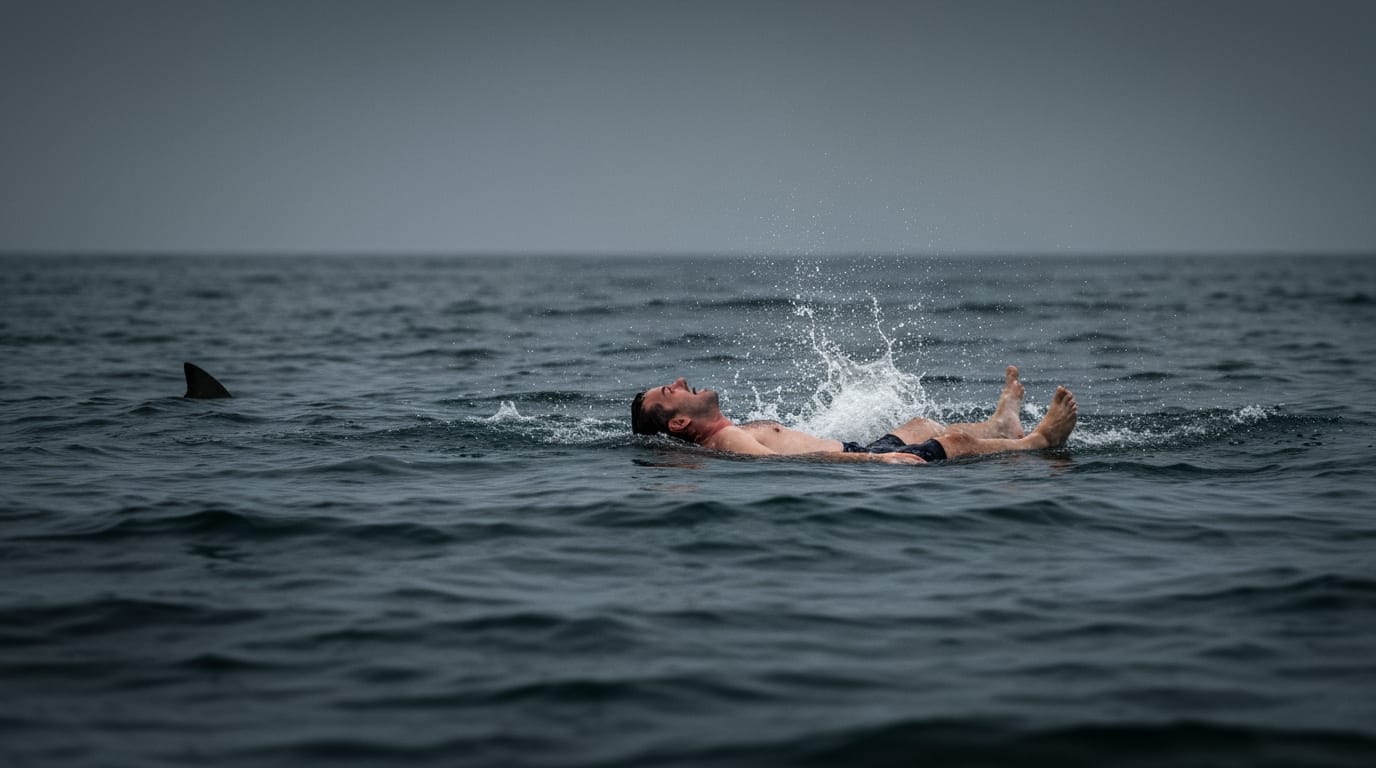
ALBANY, Western Australia – A serene Saturday morning offshore Albany tragically transformed into a scene of horror as a 35-year-old male diver became the latest victim in a grim series of fatal shark attacks along Australia's coast. The incident, which occurred near Michaelmas Island, marks the third such fatality in Australian waters in just three weeks and the second in Western Australia within a month, prompting renewed concerns over marine safety and the complex dynamics of human-shark interactions in the region.
The diver, whose identity has not yet been publicly released, was spearfishing with family members near Michaelmas Island, approximately 375 kilometers southeast of Perth, when he was attacked by a suspected 4.5-meter shark shortly before 11:30 AM AWST. Eyewitness accounts suggest a swift and brutal encounter. His companions quickly brought him ashore, where a team of paramedics from St John Ambulance worked tirelessly for over two hours in a desperate attempt to revive him. Despite their extensive efforts, the man succumbed to his injuries at the scene. The Western Australia Police have initiated an investigation and will prepare a report for the coroner, a standard procedure for such fatalities. Following the attack, the Department of Primary Industries and Regional Development issued a warning, advising the public to exercise extreme caution in the Michaelmas Island area and to adhere to any beach closures.
The recent tragedy near Albany follows closely on the heels of another fatal incident just three weeks prior, underscoring a disturbing trend that has left communities grappling with grief and fear. On May 16, 2026, 38-year-old Steven Mattaboni was killed by a 4-meter great white shark while in the waters off Horseshoe Reef, near Rottnest Island, a popular tourist destination west of Perth. Mattaboni was pulled onto a boat after the attack, but despite frantic CPR efforts, he was pronounced dead at Geordie Bay. That incident had been the first fatal shark attack in Western Australia since March 2025, when 37-year-old surfer Steven Payne was tragically mauled by a great white shark at Wharton's Beach near Esperance, his body never recovered.
Adding to this somber period, January 21, 2026, saw the death of 29-year-old surfer Brad Smith near Gracetown, south of Perth. Smith was surfing when he was ambushed by a great white shark, described by witnesses as "as wide as a car," which bit his surfboard in half. Friends bravely attempted to rescue him, but his injuries were unsurvivable. Witnesses also reported a second shark in the vicinity during the attack. These incidents collectively paint a concerning picture of increased shark activity, particularly involving large, predatory species, in waters frequented by the public.
Australia, with its vast coastline and vibrant marine activities, experiences approximately 20 shark attacks annually, though the vast majority are not fatal. However, Western Australia has witnessed a disproportionate share of these fatalities, recording 22 deaths from shark attacks since 2000 alone. Research indicates an exponential growth in both total and fatal shark bites in coastal Western Australia over the past four decades. This increase has been strongly correlated with the exponential growth in the abundance of humpback whales, a primary food source for large sharks, particularly great whites. Great white sharks have been implicated in the majority of these fatalities in Western Australia.
The timing of many attacks often coincides with the humpback whale migration season, which occurs during the colder months of winter and spring. During these periods, large sharks, including great whites, are more frequently encountered in coastal waters as they follow the migrating whales. Beyond natural cycles, Australian scientists are also investigating the potential influence of increasingly crowded waters and rising ocean temperatures, suggesting these factors may be altering shark migratory patterns and contributing to a rise in encounters. The Department of Primary Industries and Regional Development, along with local authorities, continuously monitors shark activity and issues warnings to beachgoers through various channels, including their SharkSmart website and beach closures.
The recent cluster of fatalities has reignited discussions about preventative measures and the delicate balance between protecting human life and conserving marine ecosystems. While shark culling policies have been implemented and subsequently debated in the past in Western Australia, with mixed results and significant public opposition, authorities continue to explore strategies to mitigate risks. The sheer expanse of Western Australia's coastline, combined with the unpredictable nature of marine life, presents an ongoing challenge for ensuring public safety. For many, the ocean remains a cherished space for recreation and sustenance, but the recent events serve as a stark reminder of the inherent risks and the powerful presence of nature's apex predators.
These tragic events underscore the unpredictable nature of marine environments and the critical need for continued vigilance and adaptation by those who venture into the ocean. As investigations into the latest fatality proceed, communities along Western Australia's coast remain on edge, keenly aware of the ocean's allure and its potential perils.


