WHO Chief Rushes to Congo as Ebola Outbreak Escalates Amidst Conflict
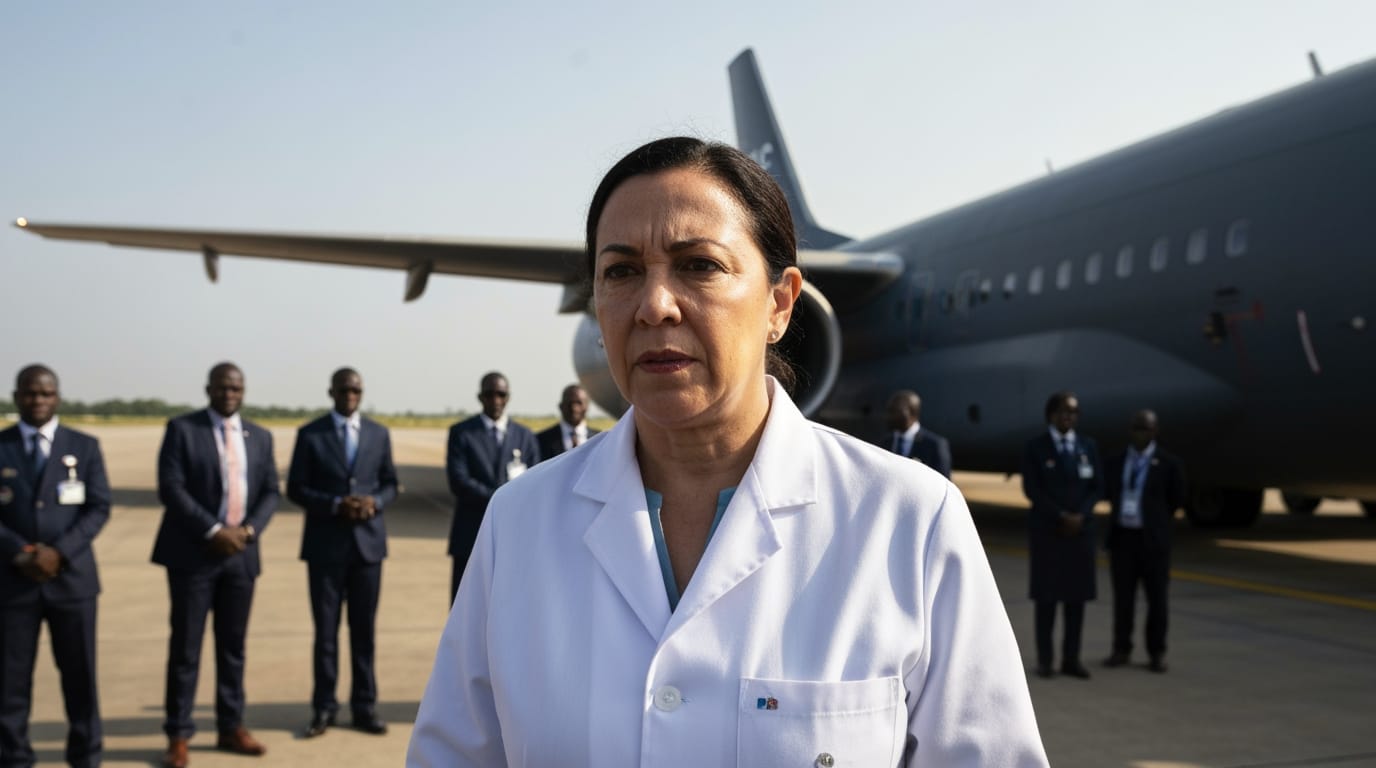
Bunia, Democratic Republic of Congo – Dr. Tedros Adhanom Ghebreyesus, Director-General of the World Health Organization (WHO), arrived in the Democratic Republic of Congo (DRC) on Thursday, May 28, 2026, embarking on a critical mission to galvanize efforts against a rapidly escalating Ebola outbreak in the volatile eastern region of Ituri province. The visit underscores the gravity of the situation, as the current resurgence, caused by the rare Bundibugyo strain for which no vaccine or treatment currently exists, is proving particularly challenging to contain amidst decades of armed conflict and deep-seated community mistrust.
The outbreak, declared a public health emergency of international concern by the WHO, marks the 17th time the DRC has battled Ebola since its discovery in 1976. With numbers of suspected and confirmed cases climbing, and healthcare responses struggling to keep pace, Dr. Tedros's presence signals an urgent appeal for increased global support and a plea for local armed groups to allow unobstructed access for life-saving humanitarian work.
A Dire Situation Unfolding in Ituri
The heart of the current crisis lies in Ituri province, northeastern DRC, an area historically plagued by insecurity and a chronic lack of state services. The outbreak, which began circulating under the radar for an unknown period, has now intensified to a scale that some experts are calling the third largest on record. As of Wednesday, May 27, the situation report indicated more than 900 suspected cases, with 105 confirmed and 10 confirmed deaths in the DRC. Neighboring Uganda has also reported seven confirmed cases and one death, highlighting the regional threat posed by the contagious disease. Other figures from May 28 noted 1,077 suspected cases, 121 confirmed cases, 246 suspected deaths, and 17 confirmed fatalities, suggesting the full extent of the crisis may still be underestimated.
The challenges are compounded by the specific strain of the virus involved. Unlike the more common Zaire strain, for which treatments and vaccines have been developed, the Bundibugyo strain currently ravaging Ituri has no specific medical countermeasures, making identification and isolation the primary tools for containment. This places immense pressure on an already overstretched public health infrastructure and healthcare workers operating in perilous conditions.
Dr. Tedros's Plea for Peace and Trust
Upon his arrival, Dr. Tedros directly addressed the multifaceted obstacles hindering the response. Ahead of his visit, he issued a direct appeal to armed groups in the region for an immediate ceasefire, emphasizing that such a pause in hostilities is critical for health workers to reach affected populations and stem the spread of the disease. "We cannot do this work if those who are trying to help are prevented from doing so or put in danger," he stated, acknowledging the profound impact of conflict on humanitarian efforts.
His visit is not merely symbolic; it aims to reinforce WHO's commitment and coordinate international and local efforts. "We are working under the leadership of the Government of DRC, together with all relevant partners, united around one goal: to stop this outbreak and protect your communities," Dr. Tedros affirmed. He also acknowledged the prevalent anger and mistrust within some communities, a recurring impediment to public health campaigns in the region. "Trust must be earned, it cannot be assumed," he remarked, adding, "We have not always done things correctly. But I promise you, we are here to learn as much as we are here to help." This frank admission underscores a strategic shift towards more community-centric and empathetic engagement, crucial for effective disease control.
The Human Cost of Conflict and Misinformation
The ongoing insecurity in eastern DRC is not just a backdrop to the Ebola outbreak; it is a direct contributor to its rapid expansion and the difficulties in containing it. Decades of conflict have led to widespread displacement, disrupted supply routes, and created an environment where health workers face constant threats. Reports indicate attacks on health facilities and a prevalent denial of the disease among some segments of the population, further complicating efforts to identify and isolate cases. Health workers, often the primary point of contact for communities, are operating under immense pressure and risk, yet remain "the backbone of this response," according to Dr. Tedros.
Logistical hurdles also compound the crisis. Despite international aid, including tonnes of medical cargo shipped by the UN peacekeeping mission MONUSCO, humanitarian officials report that flight restrictions in and out of Bunia, the capital of Ituri province, are severely hampering operations. Delays in processing exemptions for aid workers by the transport ministry have created critical bottlenecks, demonstrating that even well-intentioned assistance can be undermined by bureaucratic and logistical challenges on the ground.
A Recurring Nightmare: DRC's Enduring Battle with Ebola
The DRC has a long and complex history with Ebola, having experienced 16 previous outbreaks. This 17th confrontation with the deadly virus evokes painful memories, particularly of the 2018-2020 outbreak in North Kivu, South Kivu, and Ituri provinces, which Dr. Tedros described as "one of the most complex in history." That large-scale epidemic also unfolded amid intense armed conflict, displacement, and a profound lack of trust between communities and responders, factors that are strikingly similar to the current situation.
Dr. Tedros, who made 14 visits to North Kivu during that earlier crisis, drew parallels to the present challenges. His repeated emphasis on the DRC's resilience – stating, "16 times, this country has defeated Ebola. The 17th will be no different. But we must act now, together" – serves as both a rallying cry and a stark reminder of the continuous, heroic struggle faced by the Congolese people and their partners.
The current outbreak in Ituri province is a testament to the persistent vulnerability of regions where public health emergencies intersect with chronic instability. The arrival of the WHO chief signifies a renewed commitment to overcome these immense challenges, but the path to containment will require unprecedented levels of cooperation, security, and community engagement to protect lives and prevent further regional spread.


