Widespread Darkness: Russian Strikes on Ukraine Trigger Nationwide Blackout in Moldova
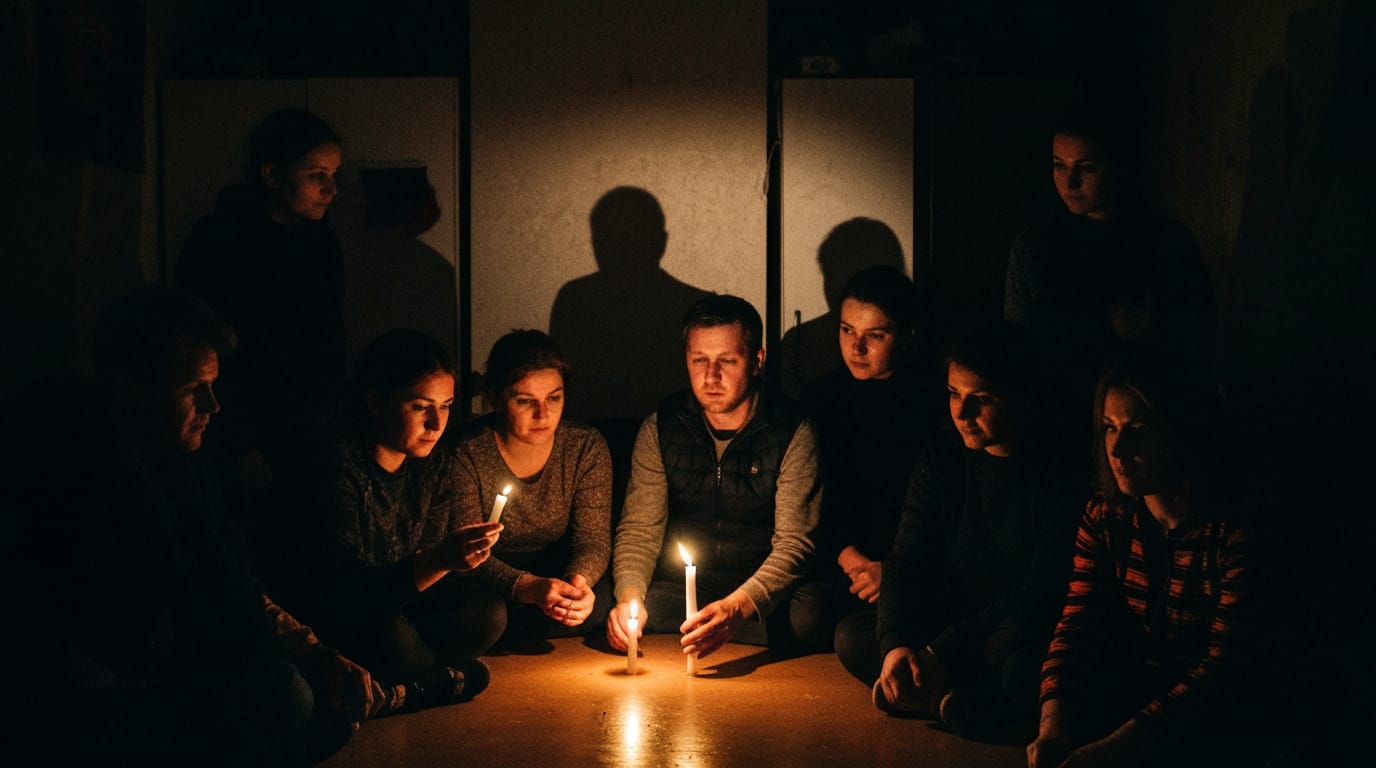
KYIV, UKRAINE AND CHISINAU, MOLDOVA – November 15, 2022 – A cascade of Russian missile strikes targeting Ukraine's energy infrastructure on November 15, 2022, plunged vast swathes of Ukraine into darkness and simultaneously triggered a nationwide power outage across neighboring Moldova. The synchronized energy collapse underscored the profound interconnectedness of regional power grids and highlighted the far-reaching civilian impact of Russia's sustained campaign against Ukrainian vital infrastructure. Millions in both countries faced an abrupt cessation of electricity, affecting homes, businesses, and essential services as winter approached.
The Darkness Descends on Two Nations
The day began with a barrage of Russian missiles impacting energy facilities across Ukraine, a continuation of a strategy that has systematically targeted the nation's power grid. Reports from Ukrainian officials indicated widespread damage, leading to immediate blackouts in numerous cities and regions. Kyiv, the capital, experienced significant outages, with Mayor Vitali Klitschko confirming hits on infrastructure facilities and disruptions to water supplies across the city. The Ukrainian Energy Ministry reported that the "vast majority of electricity consumers were cut off" following the coordinated attacks.
Simultaneously, Moldova, which relies on Ukraine for a significant portion of its electricity, found itself in an unprecedented nationwide blackout. Moldovan Infrastructure Minister Andrei Spinu announced that a key power line responsible for transporting electricity to the country had automatically disconnected as a safety measure in response to Russia's bombardment against the Ukrainian energy system. This protective shutdown, designed to prevent damage to the grid, nevertheless resulted in a sudden and comprehensive loss of power across Moldova, affecting a large number of consumers from the capital, Chisinau, to numerous other localities.
Escalation of Energy Warfare
The November 15 attacks represented a significant escalation in Russia's efforts to cripple Ukraine's energy system. Since its full-scale invasion in February 2022, Russia has increasingly focused on targeting civilian infrastructure, particularly electricity generation and distribution networks. This strategic shift, intensifying as cooler temperatures set in, appeared aimed at eroding public morale and inflicting severe hardship on the Ukrainian population by depriving them of heating, light, and water. Ukrainian President Volodymyr Zelenskyy had stated prior to these attacks that Russian strikes had already damaged approximately half of the country's energy infrastructure.
This pattern of targeting energy assets has had devastating humanitarian consequences, creating a constant state of uncertainty and danger for civilians. The deliberate nature of these strikes drew strong condemnation from international bodies and governments, with Ukrainian officials consistently characterizing them as acts of terror.
Moldova's Energy Vulnerability
Moldova's energy sector has long been characterized by its dependence on external sources, primarily from Ukraine and, historically, Russia. This reliance has rendered the country particularly vulnerable to regional geopolitical instability and disruptions. The events of November 15 vividly illustrated this fragility. The automatic disconnection of the crucial power line, while a necessary safety protocol, immediately plunged the entire nation into darkness, underscoring the direct impact of the conflict in Ukraine on its western neighbor.
Moldovan Infrastructure Minister Andrei Spinu quickly confirmed the cause of the outage, assuring citizens that the downed power lines were not physically damaged but had disconnected as a preventative measure. Energy supplier Moldelectrica initiated rapid efforts to restore power, with reports indicating that electricity began returning to most areas within hours of the initial outage. Despite the relatively swift restoration, the incident served as a stark reminder of Moldova's precarious energy security and its indirect exposure to the conflict. Moldovan President Maia Sandu directly linked the blackouts to Russia's aggression against Ukraine, stating that "Russian aggression against Ukraine directly affects our country."
Broader Implications and International Response
The widespread blackouts created significant humanitarian challenges for both Ukraine and Moldova. In Ukraine, the loss of power often coincided with disruptions to water supplies and heating systems, compounding the difficulties faced by populations already enduring wartime conditions. The onset of winter raised concerns about the ability of civilians to withstand prolonged periods without essential services. The United Nations reported "power outages in every region of Ukraine" during similar barrages, highlighting the scale of the crisis.
Politically, the attacks further solidified international condemnation of Russia's actions. Ukrainian leaders, including President Zelenskyy, called for a resolute international response to what they described as crimes against civilians and civilian infrastructure. The incident also highlighted the geopolitical ramifications of the conflict, demonstrating how even non-belligerent nations with interconnected infrastructure could be profoundly affected by military actions far beyond their borders. Moldova, not a member of the European Union or NATO, found itself at the receiving end of a crisis originating from a conflict it was not directly involved in.
A Persistent Challenge
The November 2022 power outage across Ukraine and Moldova stands as a potent example of the far-reaching and interconnected consequences of conflict in a highly interdependent world. While immediate restoration efforts showcased a degree of resilience, the event underscored the persistent challenges both nations face in safeguarding their energy security amidst ongoing hostilities. For Ukraine, the attacks represented a brutal tactic designed to undermine its resolve, while for Moldova, it was a stark demonstration of its inherent vulnerabilities due to shared infrastructure and regional dynamics. The incident left a lasting impression, emphasizing the critical need for robust infrastructure protection and diversified energy strategies in a volatile geopolitical landscape.


