Wildfire Forces Mass Evacuations in Western Germany as Flames Threaten Border Village
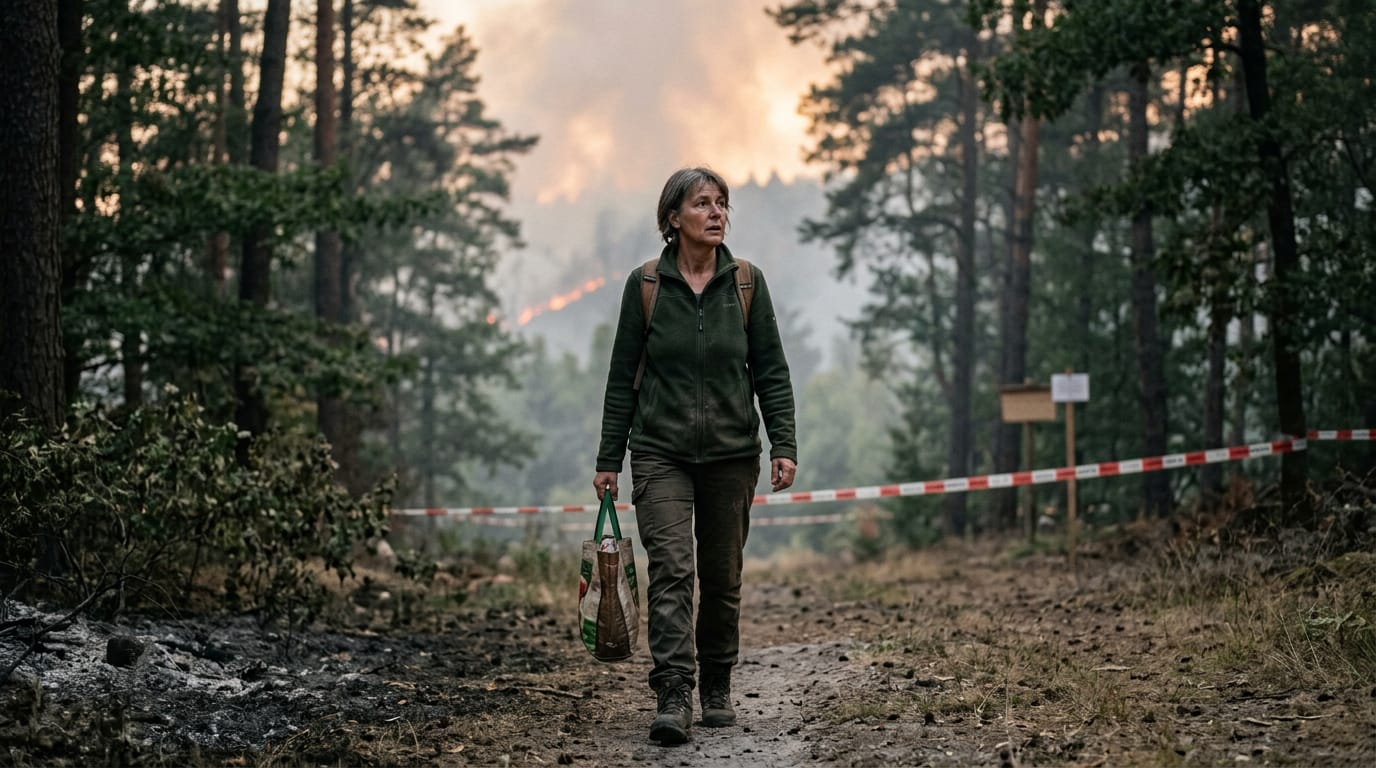
GEY, Germany – A rapidly escalating wildfire in western Germany has prompted the urgent evacuation of approximately 1,800 residents from the village of Gey, located in the Hürtgenwald municipality of North Rhine-Westphalia, near the Belgian border. The blaze, which ignited on Thursday afternoon, spread significantly overnight, forcing authorities to issue immediate evacuation orders in the early hours of Friday, August 14, 2026. The incident underscores the growing vulnerability of European regions to intense wildfires amid persistent dry conditions and record-breaking heatwaves.
Blaze Intensifies, Communities Displaced
The fire, initially reported to have affected about 25 hectares (62 acres) of woodland on Thursday, dramatically expanded to cover approximately 300 hectares by Friday morning, according to officials. This rapid progression led to the critical decision to evacuate the entire district of Gey. Residents were instructed to leave their homes at once, carrying only essential belongings, identification papers, and necessary medicines. An assistance center has been established at a primary school in the nearby village of Strass to provide support for those displaced. The German NINA emergency warning app issued its highest alert level, "extreme danger," as the flames drew within 500 meters of the residential area. The B399 road running through the affected area has been closed to ensure public safety and facilitate emergency operations.
A Coordinated Emergency Response
A significant emergency response has been mounted to combat the blaze. Around 300 emergency services personnel, including firefighters, are actively engaged in the effort to contain the flames. The arduous task is being supported by aerial assets, with one helicopter already deployed and two more anticipated to join the firefighting mission. Furthermore, army tanks have been mobilized to assist, particularly in creating firebreaks to prevent the further spread of the destructive inferno. Firefighters and emergency services have been battling tirelessly to restrain the fast-moving fire, challenged by the rugged terrain and the fire's unpredictable nature. The coordinated approach highlights the severity of the situation and the commitment to protecting both lives and property.
Western Europe Grapples with Elevated Fire Risk
The wildfire near Gey is not an isolated incident but rather a stark illustration of a broader, more concerning trend across Germany and the wider European continent. Large swathes of Germany are currently experiencing dry conditions and elevated risks of forest fires, a situation closely monitored by weather officials. This year, Europe, recognized as the world's fastest-warming continent, has been enduring an unusually active wildfire season. A wetter winter earlier in the year fostered significant vegetation growth, which subsequently dried out during successive heatwaves. This combination has created an abundance of highly flammable material, making forests particularly susceptible to ignition and rapid fire spread.
Recent statistics underscore the escalating challenge. In 2025, wildfires devastated approximately 2,626 hectares of forest in Germany, a substantial increase compared to the annual average of 844 hectares recorded between 1991 and 2024. Since 2018, around 500,000 hectares – roughly five percent of Germany's total forest area – have been impacted by climate-related damage, including drought and storm events. The financial toll of this damage over the past five years is estimated at a staggering 20 billion euros. The prevailing conditions, characterized by extreme heat, drought, and high wildfire risk, are severely exacerbating the crisis across the continent.
Climate Change's Persistent Shadow
Experts warn that climate change is rendering Central Europe increasingly prone to such devastating wildfires. The shift towards warmer temperatures and prolonged periods of drought significantly heightens the risk of vegetation fires, which are proving more challenging to manage under the altered climate conditions. Forest types such as spruce monocultures, which constitute roughly a quarter of Germany's forests, are particularly vulnerable to these rising temperatures. While natural causes account for a small percentage of ignitions, human factors like negligence and even intentional arson play a role, though the primary causes fluctuate annually. The accumulation of deadwood, coupled with arid conditions, further complicates containment efforts.
The current incident near Gey serves as a poignant reminder of the urgent need for enhanced preparedness and adaptive forest management strategies. As climate patterns continue to evolve, the frequency and intensity of such events are expected to increase, posing ongoing threats to communities, ecosystems, and national economies. The response in western Germany reflects a critical effort to protect its citizens and natural resources in the face of these intensifying environmental pressures.


