Wildfires Force Historic Shortening of Tour de France Final Stage
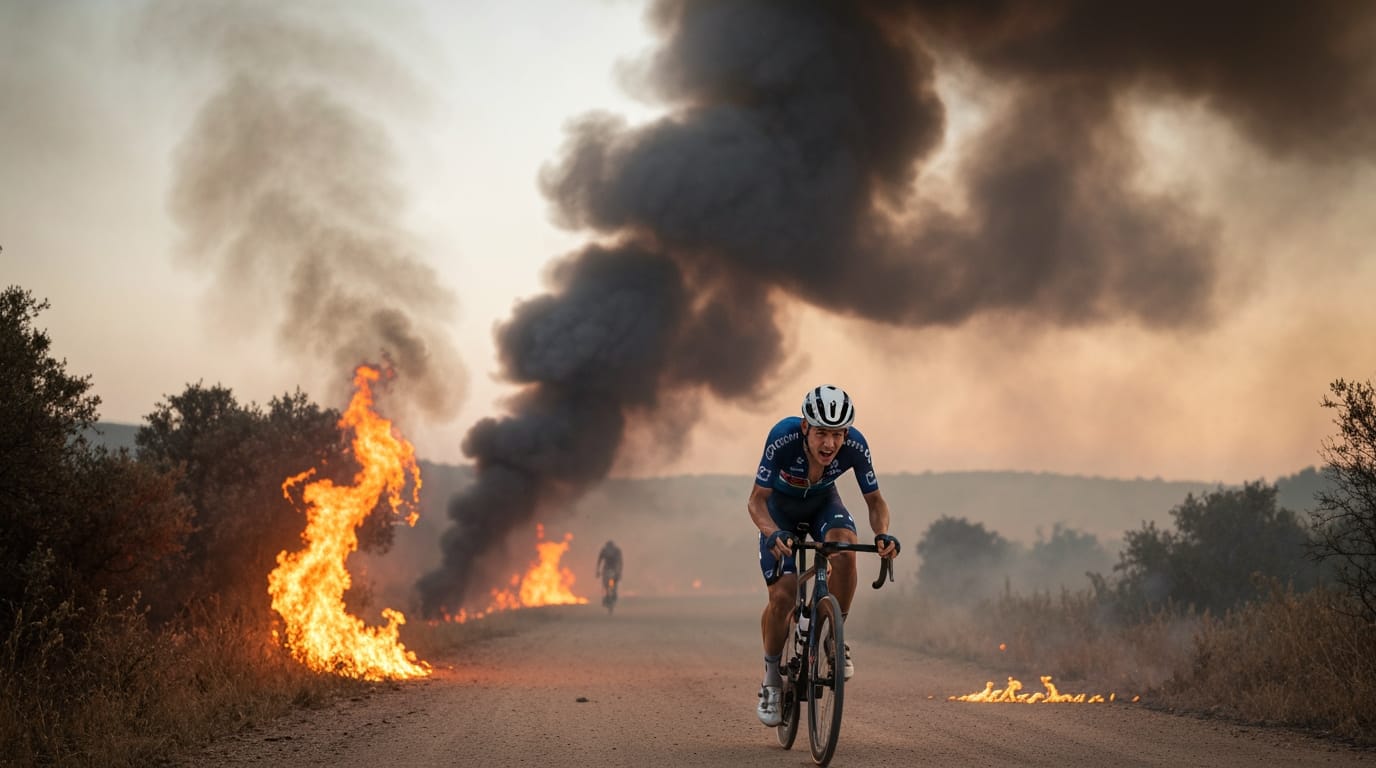
Paris, France – The prestigious final stage of the 2026 Tour de France, traditionally a celebratory parade culminating on the Champs-Élysées, has been dramatically shortened and rerouted due to widespread and severe wildfires raging across France. Race organizers, in conjunction with French authorities, announced the unprecedented changes on Saturday, July 25, citing the critical need to redeploy security forces to combat the blazes, particularly in the hard-hit southwestern regions of the country. This adjustment transforms the iconic 21st stage from its planned 133-kilometer journey into an 89-kilometer circuit confined almost entirely within the heart of Paris, marking a significant moment in the Tour's long history of adapting to extraordinary circumstances.
The decision was formalized by Amaury Sport Organisation (ASO), the Tour's organizer, and the French Prefect of Police, following consultations with the Ministry of Interior. Their joint statement underscored a spirit of "national solidarity" with the communities and regions ravaged by the infernos. The Ministry of Interior opted to reassign a portion of the internal security forces originally allocated to secure the final stage route, directing them instead to bolster emergency response efforts in the fire-affected zones. This swift reallocation of personnel, vital for ensuring both rider and spectator safety along the extensive original course, made the complete route untenable.
The original route for Stage 21 was slated to begin in Thoiry, a commune west of Paris, before making its way into the capital for the customary laps. Under the revised plan, the ceremonial team presentation will still take place in Thoiry. However, immediately following this, riders and teams will be transported by bus directly to Paris. The official start of the stage will now occur at 5:50 p.m. CEST from the finish line within Paris itself. While the stage loses its journey from Thoiry, organizers have added two additional laps of the famous Champs-Élysées circuit. Crucially, the challenging three laps over the Montmartre circuit, introduced in recent editions to add a dynamic element to the finale, will remain a part of the shortened course, maintaining some of the stage's competitive integrity. The finish is anticipated around 7:45 p.m. local time.
The catalyst for this significant alteration is the escalating wildfire crisis that has gripped large swathes of France. The Gironde region, located in the southwest near Bordeaux and Arcachon Bay, has been particularly devastated. Reports indicate that over 32,000 hectares to 36,000 hectares (approximately 79,000 to 89,000 acres) of wooded land have been consumed by the flames. The intensity and rapid spread of these fires have necessitated one of the largest evacuation operations in recent French history, displacing nearly 200,000 people, many from popular tourist areas. The sheer scale of these blazes has stretched emergency services to their limits, with firefighters and internal security forces fully mobilized to combat the conflagrations and protect affected populations.
In balancing the grandeur of the Tour de France with the stark realities of a national emergency, organizers have emphasized safety and public welfare as paramount. The decision to shorten the stage reflects a pragmatic response to an unfolding crisis, prioritizing the deployment of essential resources where they are most critically needed. While the traditional start of the final stage outside Paris offers picturesque views and community engagement, the exceptional circumstances demanded a focused approach. By condensing the race into the highly secured urban environment of Paris, authorities aim to mitigate security risks while still delivering a recognizable and impactful conclusion to the world's most famous cycling event. The inclusion of additional Champs-Élysées laps ensures spectators still witness ample racing action, and the preservation of the Montmartre circuit maintains a challenging element for the competitors.
This 2026 edition of the Tour de France has been marked by several environmental challenges, underscoring the growing impact of climate-related events on major sporting competitions. Earlier in the race, Stage 3 faced concerns and spectator restrictions due to wildfires, and Stage 9 was reportedly shortened amid an "exceptionally intense" heatwave. These incidents highlight a broader trend where organizers of large-scale outdoor events are increasingly confronted with the need to adapt to extreme weather conditions and their wide-ranging consequences. The adaptability shown by the Tour de France leadership in navigating these complex issues is a testament to the evolving demands on event management in an era of environmental volatility.
The shortening of the 2026 Tour de France's final stage represents more than just a logistical adjustment; it serves as a potent symbol of the real-world implications of environmental crises on cultural and sporting traditions. While the spectacle of the peloton racing through the French countryside to Paris will be missed, the decision underscores a collective societal commitment to prioritize human safety and crisis response. The modified final stage will now proceed, still offering a thrilling conclusion to the race, but with an underlying message of solidarity and resilience in the face of national adversity. The cycling world, and indeed the broader public, watches as this historic Tour concludes, forever etched with the narrative of a race that yielded to the urgent call of its nation's natural environment.


