Wildfires Scorch Western Germany Amidst Unusually Dry Conditions
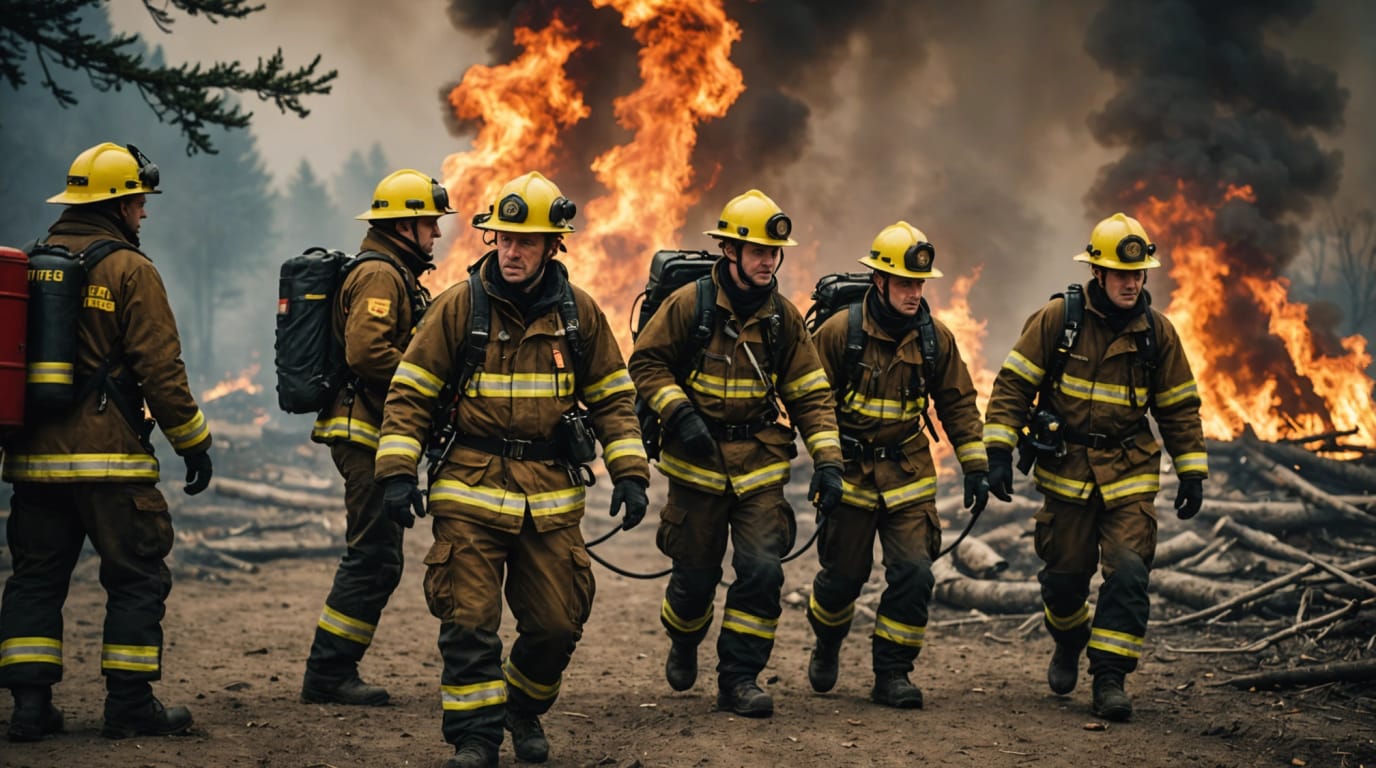
Firefighters in western Germany are battling multiple wildfires that have erupted across the state of North Rhine-Westphalia, fueled by unusually dry conditions and high winds. The blazes, which broke out Saturday, have stretched resources and raised concerns about the increasing risk of wildfires in the region due to climate change.
Sundern Fire: A Dramatic Scene
One of the largest fires is located in a remote wooded area near the town of Sundern, approximately 43 kilometers (26.7 miles) southwest of Dortmund. The fire has consumed an estimated 20,000 square meters of forest. Michael Salmen, a spokesperson for the Sundern Fire Department, described the situation as "very dramatic" for the initial responders. While the fire was brought under control by Saturday evening, firefighters continued working through the night and into Sunday to fully extinguish the blaze and prevent any flare-ups. The cause of the Sundern fire remains under investigation.
Simmerath Blaze: High Winds Hamper Efforts
Another significant wildfire is burning near Simmerath, a town southeast of Aachen on the border with Belgium. Around 70 firefighters and police officers have been deployed to combat the blaze. High winds are proving to be a major obstacle, hindering efforts to contain the fire and increasing the risk of it spreading further. Details about the extent of the damage and the suspected cause of the Simmerath fire are still emerging.
Multiple Fires Reported Across the Region
In addition to the fires in Sundern and Simmerath, smaller blazes have been reported in Overath and in a forest in Wuppertal, placing further strain on firefighting resources across North Rhine-Westphalia. Authorities are closely monitoring the situation and coordinating efforts to ensure that all fires are brought under control as quickly as possible.
Unusually Dry Spring Fuels Fire Risk
The outbreak of wildfires in western Germany comes after a prolonged period of dry weather. Germany, like much of western Europe, has experienced a particularly dry early spring. There has been little to no rainfall this month, and March saw 70% less rain compared to previous years, making it one of the driest on record. February also had only half the usual amount of precipitation, coupled with low rainfall and reduced snowmelt from the Alps. These conditions have created a tinderbox environment, making forests highly susceptible to fire.
Broader Impact of Dry Weather
The lack of rainfall is not only raising the risk of forest fires but also impacting other sectors. Crops are suffering from drought stress, animal populations are affected by water scarcity, and shipping on the Rhine River, Europe's busiest inland waterway, is being disrupted due to low water levels. The dry conditions highlight the interconnectedness of environmental factors and the far-reaching consequences of climate change.
Historical Context: Wildfires in Germany
Wildfires are not a new phenomenon in Germany, but their frequency and intensity are increasing due to climate change. Historically, the main fire problem areas have been located in the northern part of the country, particularly in regions with sandy soils and pine forests. In the past, a significant percentage of fires were attributed to negligence or railway traffic. However, in recent years, arson has become a growing concern. While the official wildfire record kept by the federal government for the past 30 years doesn't paint a dramatic picture, experts warn that the risk of large-scale forest fires is increasing due to prolonged periods of drought and heatwaves.
Looking Ahead: Increased Vigilance and Prevention
The recent wildfires in western Germany serve as a stark reminder of the growing threat posed by climate change. As temperatures continue to rise and precipitation patterns become more erratic, the risk of wildfires is likely to increase. This necessitates increased vigilance, improved fire prevention measures, and enhanced preparedness among firefighting agencies. Public awareness campaigns are also crucial to educate people about the dangers of wildfires and the importance of responsible behavior in forested areas. Furthermore, sustainable forest management practices that promote biodiversity and resilience to drought are essential to mitigate the risk of future wildfires.


