Woman Critically Injured in Horrific Shark Attack at Sydney's Coogee Beach
SYDNEY, Australia – A woman in her 30s is fighting for her life after sustaining critical injuries in a shark attack at Coogee Beach, one of Sydney's most popular coastal destinations, on Saturday morning. The harrowing incident, which unfolded just after 11:00 AM local time, prompted an immediate and extensive emergency response, leading to the closure of Coogee and several neighboring beaches as authorities initiated an urgent search for the predator. The attack marks another distressing event in a period characterized by heightened shark activity along Australia's eastern coastline, raising significant concerns among beachgoers and marine experts alike.
The Harrowing Incident and Immediate Response
The tranquil Saturday morning at Coogee Beach was shattered by screams as beachgoers witnessed a brutal shark attack approximately 30 meters from shore. The victim, described as being in her 30s, was swimming when she was bitten by a shark believed to be between 3 to 4 meters in length. Witnesses reported seeing a "massive pool of blood" in the water and observed the woman "motioning to swim" with "lots of splashing" before a surf ski paddler rushed to her aid.
Remarkable bravery from members of the public proved crucial in the immediate aftermath. Bystanders swiftly pulled the severely injured woman from the water and immediately began administering first aid on the beach, a testament to community spirit in a moment of crisis. Police and NSW Ambulance paramedics quickly arrived on the scene, continuing advanced medical treatment for serious arm and leg injuries. Emergency services established a command post on the beach, with police clearing nearby Coogee Oval to facilitate the potential landing of a Careflight helicopter. Ultimately, the woman was transported by road to St Vincent's Hospital, where she remains in critical condition.
Widespread Beach Closures and Ongoing Investigations
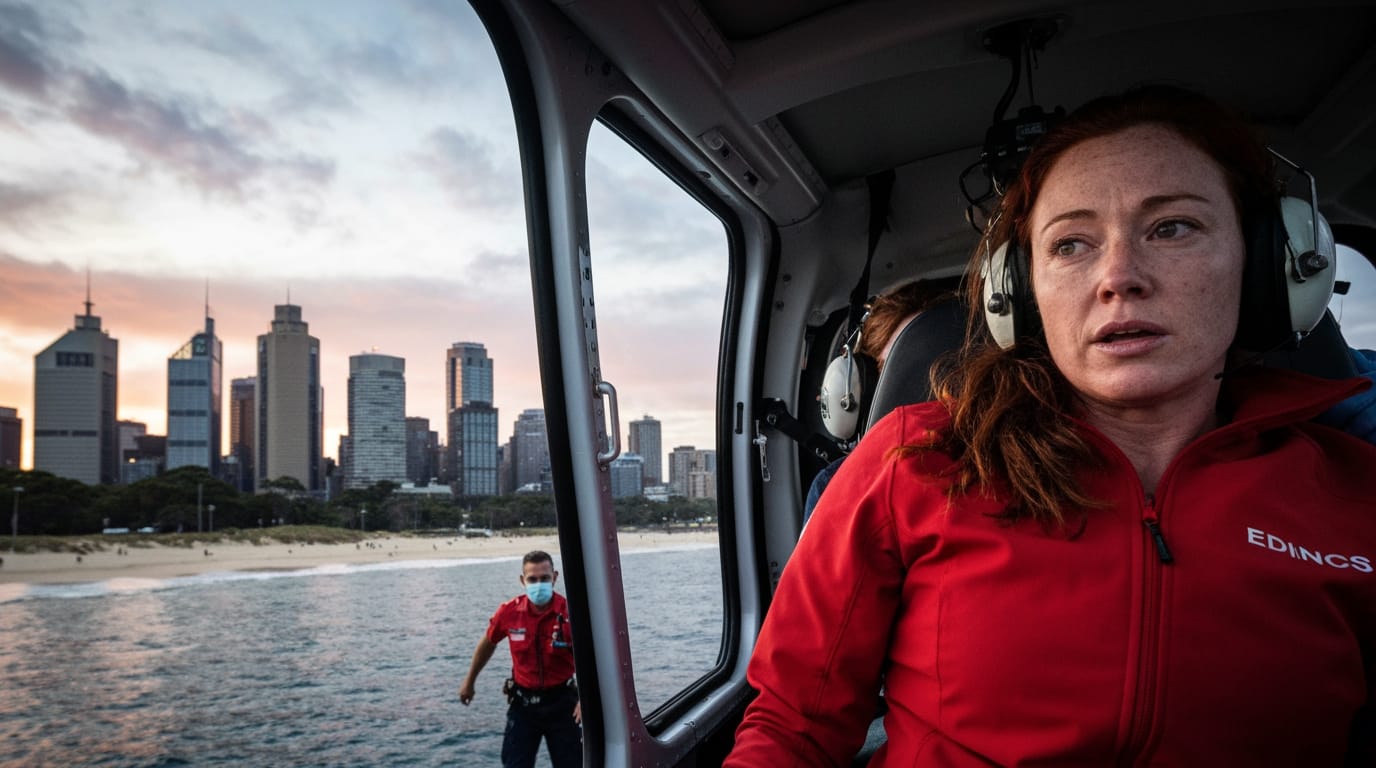
Following the attack, authorities acted swiftly to ensure public safety. Coogee Beach, along with neighboring Clovelly and Bronte beaches, were immediately closed for at least 24 hours as a precautionary measure. Surf Life Saving NSW (SLSNSW) deployed the Westpac Lifesaver Rescue Helicopter, which conducted aerial surveillance of the area, while jet skis were dispatched to patrol the waters in search of the shark. Randwick Council, which oversees Coogee Beach, confirmed the temporary closures and stated that they would remain in effect until authorities determine it is safe to reopen the area.
While the species of shark involved has not been officially confirmed, its estimated size at 3 to 4 meters suggests a large predator. The incident has triggered a comprehensive investigation, with marine experts and local authorities working to gather more information and assess the potential ongoing threat. Drone surveillance, a key component of New South Wales' shark management program, was in use at 14 locations across the state on Saturday, though not specifically at Coogee Beach during the attack. Enhanced drone surveillance has since been organized for Bondi and Bronte beaches, with further assessments planned for the broader area.
A Troubling Trend: Recent Shark Activity in Sydney
This latest incident at Coogee Beach is not an isolated event but rather another chapter in a concerning pattern of increased shark activity around Sydney and the broader Australian coastline. It marks the fourth serious shark incident in Sydney alone since September 2025. Australia has experienced an unusually high number of shark attacks in the past year, with multiple fatalities recorded nationwide.
Earlier this year, in January 2026, Sydney endured a particularly intense period with four shark attacks occurring within a 48-hour window, leading to the closure of dozens of beaches. Tragically, one of these incidents involved a 12-year-old boy, Nico Antic, who succumbed to his injuries after being attacked by a suspected bull shark in Sydney Harbour. Another attack during that period left a surfer with severe leg injuries, requiring an amputation.
Marine scientists and experienced surfers have noted a discernible increase in shark sightings, particularly of bull sharks and great white sharks, in Sydney waters. Several factors are believed to contribute to this trend. Heavy rainfall can lead to murky waters and increased sewage runoff, which attracts baitfish and, consequently, sharks, especially bull sharks known to thrive in brackish environments. Additionally, some scientists suggest that rising ocean temperatures may be altering shark migratory patterns, bringing them closer to populated coastlines more frequently. "Sharks are present in NSW waters all year round," the New South Wales government advises, noting that "weather and ocean conditions as well as the availability of food in the area" can influence their presence.
Mitigation Efforts and Community Concerns
The frequent shark encounters have intensified the ongoing debate about the most effective shark management strategies. New South Wales employs a comprehensive Shark Management Program, which includes traditional shark nets, SMART drumlines, drone surveillance, shark barriers, and personal deterrents. However, the efficacy of some measures, such as shark nets, is a subject of discussion among experts. Critics argue that nets do not form a complete barrier and can be easily bypassed by sharks, while also posing a risk to other marine life. The NSW government's own resources state that shark nets are "designed to entangle marine life, not exclude it" and that they "do not enclose the beach and can be easily swum under or around by sharks."
Non-lethal methods are gaining prominence, with drone surveillance and SMART drumlines being highlighted for their potential to enhance safety without harming marine populations. Public support for lethal mitigation methods has reportedly been dwindling, with a greater emphasis on solutions that balance human safety with ecological preservation. The "SharkSmart" app and educational campaigns are also vital tools, providing real-time alerts and advising swimmers on safety precautions such as avoiding swimming at dawn or dusk, in murky water, or near fishing activities.
The recent surge in incidents has left the local community shaken. Many beachgoers, particularly surfers who frequent the waters, express a mix of apprehension and a philosophical acceptance of the risks inherent in sharing the ocean with its apex predators. The incident at Coogee Beach serves as a stark reminder of the unpredictable nature of the marine environment and underscores the complex challenge authorities face in balancing recreational access to beaches with the inherent dangers of coastal ecosystems. The focus remains on the critical recovery of the injured woman and on reinforcing safety measures to prevent future tragedies.


