Woman Faces Justice After Attempting to Sell Regurgitated Human Toes
A former animal shelter worker in Victoria, Australia, has narrowly avoided jail time after pleading guilty to offensive conduct involving human remains. Joanna Kathlyn Kinman, 48, admitted to attempting to sell human toes that had been regurgitated by dogs in her care. The bizarre case has sparked outrage and raised questions about the online trade of human specimens.
Kinman, who worked as a ranger at the animal shelter, came into possession of the toes in February 2024 after two dogs surrendered to the shelter regurgitated them. The dogs had belonged to a deceased individual, and had apparently consumed parts of his body after he died of natural causes. Instead of properly disposing of the remains, Kinman retrieved the toes from a bin, stored them in formaldehyde, and discussed selling them online with her daughter.
Discovery and Investigation
According to court documents, Kinman believed she could fetch up to $400 Australian dollars (approximately $253 USD) for the toes on the black market. Police were alerted to Kinman's activities after receiving a tip-off. A search of her Lilydale home revealed a collection of other unusual items, including an alligator claw, a bird skull, a guinea pig trotter, and her children's teeth.
Prosecutor Melissa Sambrooks told the court that Kinman was a member of "Bone Buddies Australia," a Facebook group where members buy, sell, and swap specimens online. She had previously sold "wet specimens" of a stillborn kitten and puppy on the site. The Facebook group "Bone Buddies Australia" highlights the existence of online communities dedicated to the trade of animal and human remains, raising ethical and legal concerns.
Court Proceedings and Sentencing
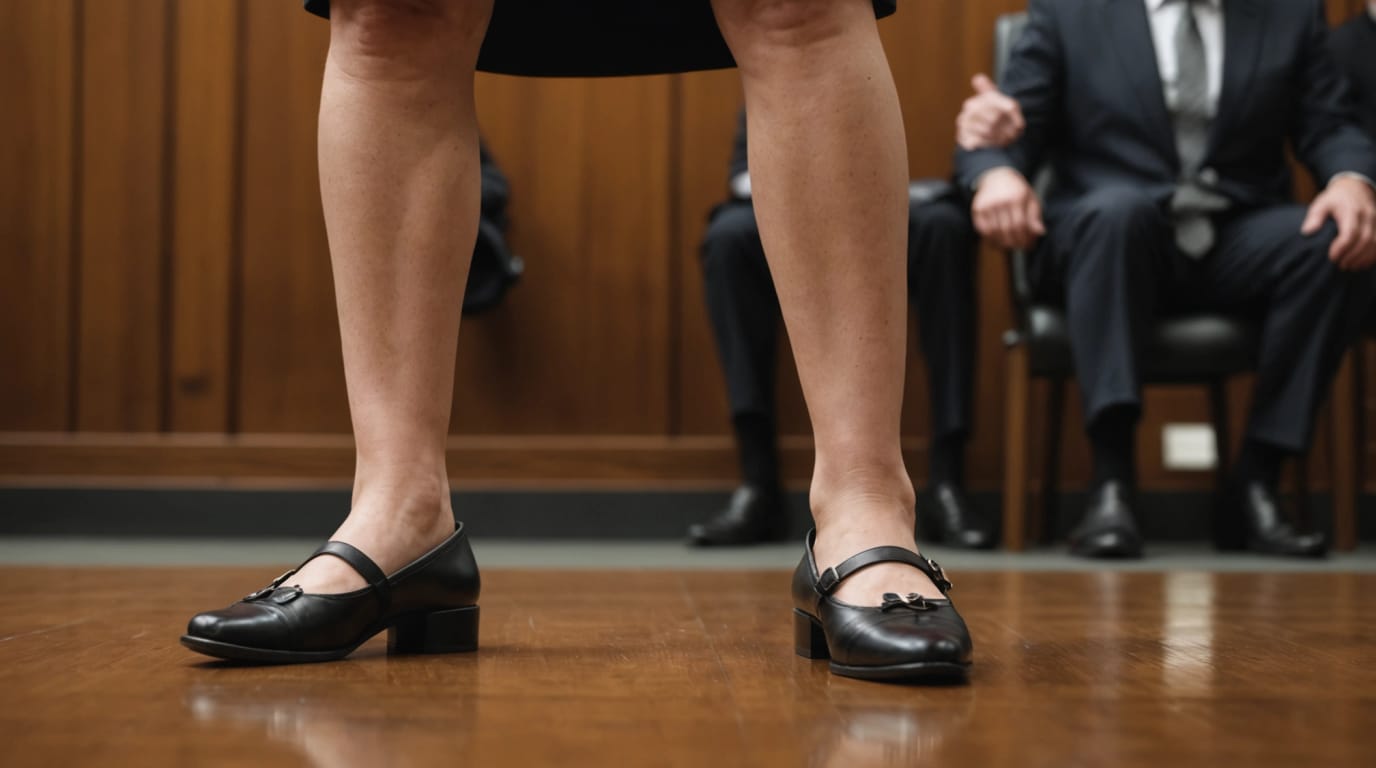
Kinman faced Ringwood Magistrates Court on Monday, where she pleaded guilty to offensive conduct involving human remains. Magistrate Andrew Sim described her actions as "astounding" and said it was remarkable that someone with her experience and education would not know it was an offense.
"By the barest of possible margins you will not be going to jail today," Sim told Kinman. "Your conduct would, in my view, arouse significant anger, resentment, outrage, disgust or repulsion in the minds of any reasonable person in the community."
Kinman was sentenced to an 18-month community corrections order, including 150 hours of community work. She avoided a maximum sentence of two years in prison.
Ethical and Legal Implications
The case has ignited debate about the ethical and legal implications of collecting and trading human remains. While some argue that such activities are harmless hobbies, others view them as deeply disrespectful and potentially illegal.
The sale of human body parts is generally prohibited in most jurisdictions, but the laws surrounding the possession and trade of specimens for scientific or educational purposes are often less clear. This ambiguity can create loopholes that allow individuals to exploit the market for human remains.
Impact on the Deceased's Family
The relatives of the deceased man whose toes were involved in the case were not informed of the incident. His son shielded them from the investigation, according to reports. The incident raises concerns about the potential for further distress to grieving families when human remains are mishandled or exploited.
The fact that the dogs consumed the man's remains after his death also raises questions about the circumstances surrounding his death and the care of his pets. While the man is reported to have died of natural causes, the incident underscores the importance of ensuring proper care for animals, especially after the death of their owner.
A Disturbing Trend
Kinman's case is not an isolated incident. The existence of online groups like "Bone Buddies Australia" suggests a growing interest in collecting and trading human and animal remains. This trend raises concerns about the potential for exploitation, desecration, and the commodification of death.
Authorities are likely to face increasing challenges in regulating this macabre market and preventing similar incidents from occurring in the future. The case serves as a stark reminder of the need for greater awareness and stricter enforcement of laws surrounding the handling of human remains.
The Kinman case highlights the complex ethical and legal issues surrounding the collection and trade of human remains. While the court's sentence reflects the seriousness of her offense, the incident also underscores the need for greater public awareness and stricter regulations to prevent similar incidents from occurring in the future. The case serves as a disturbing example of how the commodification of death can lead to deeply disrespectful and potentially illegal activities.


