Women Lead Global Charge for Environmental Justice, Secure Landmark Victories
In a powerful testament to the escalating influence of women in environmental activism, this week marks a period of significant ecological triumphs worldwide, spearheaded predominantly by female leaders. From securing legal precedents against polluting industries to mobilizing communities against hazardous emissions, women are at the forefront of a global movement, reshaping the landscape of environmental protection and championing a healthier planet. These victories underscore a growing recognition of grassroots efforts and the critical role diverse voices play in addressing complex environmental challenges.
A Historic Milestone: The 2026 Goldman Environmental Prize Honors All Women
A groundbreaking announcement from the Goldman Environmental Prize, often dubbed the "Green Nobel," highlighted the unparalleled impact of women this year. For the first time in its 37-year history, all six recipients of the prestigious 2026 award are women, recognized for their courageous and impactful work across the globe. This historic roster collectively demonstrates the diverse methodologies and unwavering determination employed in the fight for environmental justice.
Among the laureates is Sarah Finch from the United Kingdom, whose persistent campaigning resulted in a landmark UK Supreme Court ruling. This legal victory mandates that authorities must consider the global climate impact of burning extracted fossil fuels before approving new projects, a decision that has already influenced rulings against new oil concessions and the UK's first deep coalmine in three decades. Her decade-long battle against an oil drilling project set a crucial precedent, recognizing the broader environmental consequences of such ventures.
From South Korea, Borim Kim received the award for leading the continent's first successful youth-led climate litigation. Her advocacy, through Youth 4 Climate Action, compelled the South Korean Constitutional Court to rule that the government's climate policies violated the rights of future generations. This ruling is projected to prevent between 1,600 and 2,100 million tons of CO₂ emissions and establish a new baseline for climate governance.
Alannah Acaq Hurley, a leader of the Yup'ik Indigenous people in the United States, was honored for her successful campaign that halted what would have been North America's largest open-pit mine in Alaska's Bristol Bay region. Her efforts protected a vast ecosystem vital for salmon runs and Indigenous communities. In Colombia, youth activist Yuvelis Morales Blanco mobilized her Afro-descendant community in Puerto Wilches to successfully prevent the introduction of commercial fracking into the country, demonstrating the power of community resistance against industrial expansion.
Theonila Roka Matbob of Papua New Guinea was recognized for her campaign that compelled Rio Tinto, a global mining giant, to address the environmental and social devastation caused by its abandoned Panguna mine, a victory for corporate accountability after decades of neglect. Completing the impressive list is Iroro Tanshi, a Nigerian conservation ecologist, who launched a successful community-led campaign to protect endangered bats by combating human-induced wildfires, showcasing the critical link between biodiversity conservation and local engagement. These six women exemplify how grassroots efforts, legal challenges, and community mobilization are driving significant environmental change.
Battling the Invisible Threat: Communities Confront Coal Dust Pollution
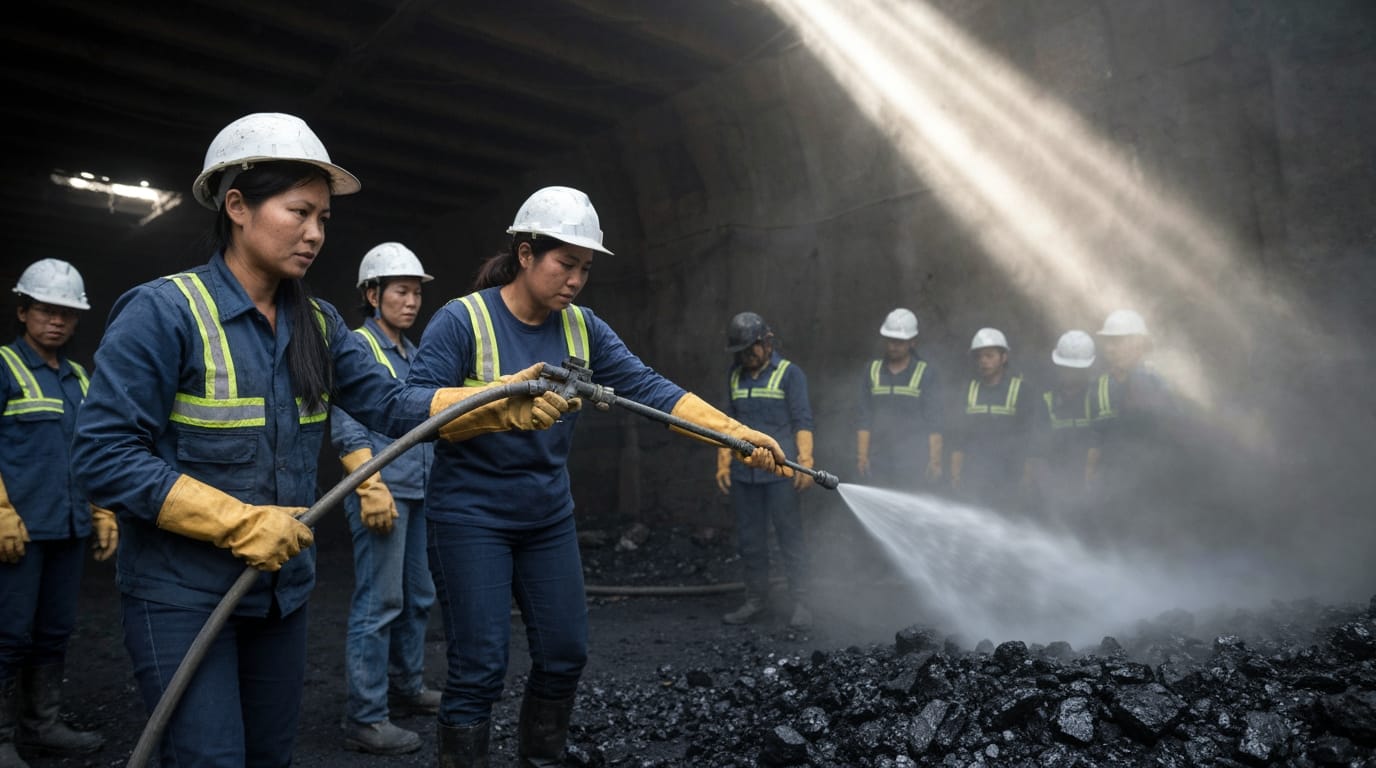
Beyond these global accolades, communities continue their localized struggles against industrial pollution, particularly coal dust. In the City of uMhlathuze, South Africa, residents are intensifying their fight against persistent coal dust pollution that blankets Richards Bay and surrounding areas. Despite years of appeals, the issue continues to pose severe health and environmental risks.
Local resident Teri Nel, spearheading the community's cause, has championed an online petition signed by over 500 individuals. The petition demands the installation of truck wash-bay facilities, wheel wash systems, and effective dust suppression infrastructure at port entry and exit points to minimize the daily influx of coal trucks. Nel, who has witnessed the deteriorating environmental conditions firsthand, emphasizes the urgent need for practical measures to safeguard public health and the local environment, highlighting the impact on children and the right to clean air. Coal dust, often carried by uncovered rail cars, can release hundreds of thousands of pounds of particulate matter per trip, containing toxic heavy metals like arsenic, lead, and mercury, which are linked to respiratory and cardiovascular diseases, and even increased infant mortality rates.
The grassroots activism in Richards Bay echoes ongoing concerns in other regions, where communities, often disproportionately affected, are forced to confront the direct impacts of fossil fuel transportation and processing.
Addressing Broader Air Quality Concerns and Environmental Justice
The focus on clean air extends beyond coal dust, encompassing broader battles against atmospheric pollution. In Hartford, Connecticut, a "Black Lungs Matter" Juneteenth press event this week brought together state representatives and advocates to highlight the disproportionate impact of air pollution on Black communities. Representatives Minnie Gonzalez, Maryam Khan, and Jilian Gilchrist spoke passionately about the need for environmental justice, emphasizing that no child's future should be compromised by the air they breathe. These events underscore the intersection of environmental protection and social equity, with women often leading the charge for marginalized communities to secure their right to a healthy environment.
Similarly, in London, a new film highlights the persistent struggle to clean up the city's air, featuring community champions like Jamila Bolton-Gordon and Elizabeth Wan. Their stories illustrate the personal toll of air pollution and the ongoing efforts to raise awareness and drive policy changes, leveraging scientific research and community voices to transform air quality.
The Ongoing Momentum of Eco-Innovation and Advocacy
The confluence of these stories — from the high-profile Goldman Prize winners to local activists battling dust — paints a clear picture: women are not just participating in the environmental movement; they are leading it, innovating, and securing tangible results. Their efforts extend to diverse areas, including technological advancements for sustainable solutions. For instance, an Imperial team this week won a prestigious award for a new, greener technology to produce lithium-ion batteries, underscoring innovation that can support broader environmental goals.
From legal battles that reshape national energy policies to community organizing that protects local health, the collective actions of women this week serve as a powerful reminder of the enduring strength of advocacy. Their achievements inspire continued vigilance and action, paving the way for a more sustainable and equitable future.