Women's AFCON Faces Abrupt Postponement, Raising Concerns for African Football Development
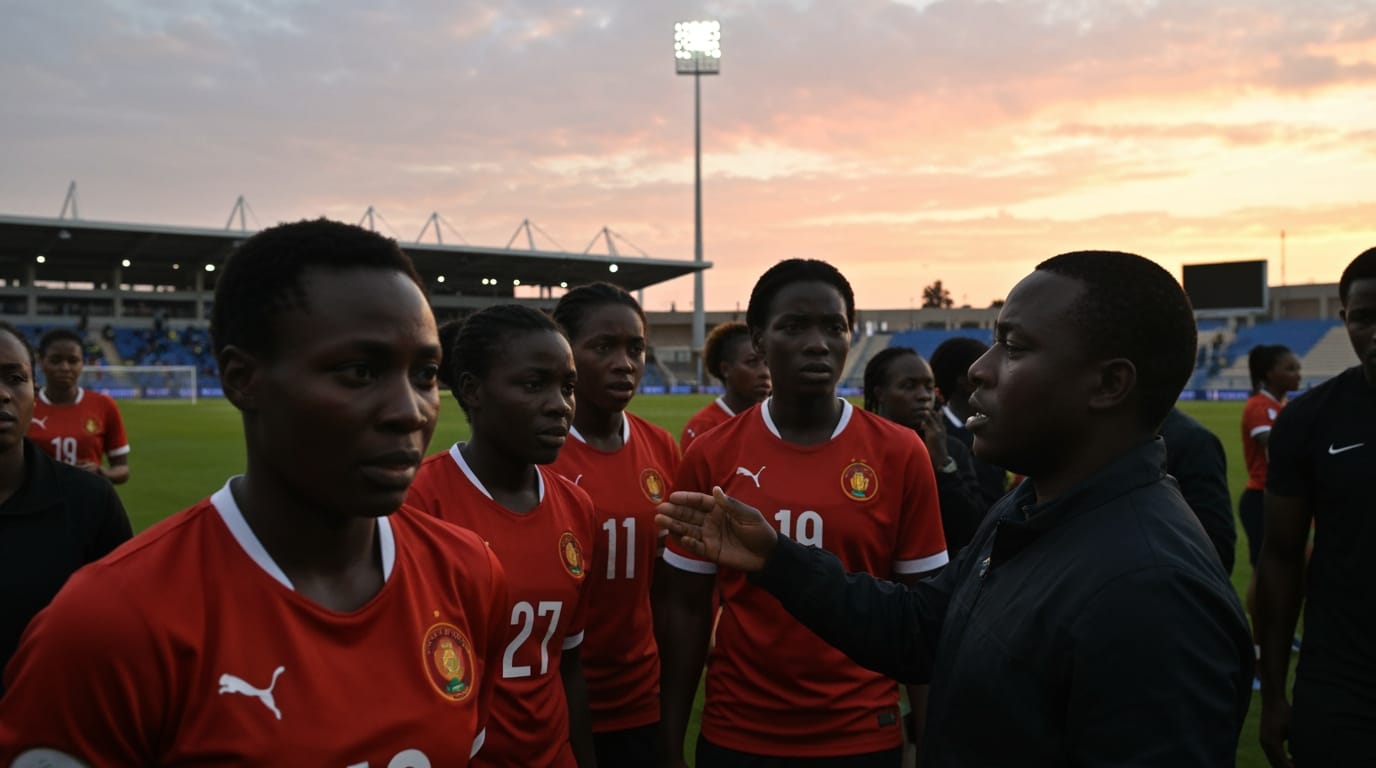
The Confederation of African Football (CAF) has announced the last-minute postponement of the 2026 Women's Africa Cup of Nations (WAFCON), originally slated to begin on March 17 in Morocco. The continental body confirmed on Thursday, March 5, 2026, that the tournament will now take place from July 25 to August 16, 2026, following a request from the host nation. This sudden rescheduling, coming less than three weeks before the initial kickoff, has sent ripples of frustration through national teams, players, and stakeholders who had already finalized extensive preparations for Africa's premier women's football competition.
The Abrupt Delay and Host's Request
The 15th edition of the Women's Africa Cup of Nations was set to commence on March 17 and conclude on April 3 in Morocco, the designated host. However, the Royal Moroccan Football Federation formally requested a delay, citing "unforeseen circumstances" and a desire to avoid disruption to its domestic professional league calendar. The Confederation of African Football ultimately acceded to this request, rescheduling the tournament to late July and August. This decision emerged after weeks of growing speculation and uncertainty surrounding the event's immediate future. Reports had suggested that South Africa was prepared to step in as an alternative host if Morocco withdrew, though this claim was later denied, further complicating an already delicate situation.
The timing of the announcement has drawn particular scrutiny. Teams across the continent had already embarked on rigorous training camps, planned international friendlies, and finalized logistical arrangements for their participation. The abrupt nature of the postponement now forces a complete overhaul of these meticulous plans, creating significant logistical and financial challenges for federations and individual players alike. For many, the delay feels like a setback for the burgeoning momentum of women's football in Africa, disrupting competitive readiness and potentially impacting commercial agreements and fan engagement.
A Familiar Echo: The 2020 Cancellation
This is not the first time the Women's Africa Cup of Nations has faced significant disruption. The 2026 postponement echoes a similar, albeit more severe, event that occurred with the 2020 edition of the tournament. The 2020 WAFCON, initially planned for November 23 to December 20, 2020, was ultimately canceled by CAF on June 30, 2020.
The reasons behind the 2020 cancellation were multifaceted. Primarily, the global COVID-19 pandemic had brought football activities across the continent to a standstill, making it impossible to hold qualifiers and the main tournament safely. Compounding this, the original host, the Republic of Congo, had withdrawn its hosting rights in July 2019 due to financial difficulties. Despite interest from countries like Nigeria and Equatorial Guinea, CAF was unable to secure a replacement host with the necessary government support and guarantees in time. In the wake of this cancellation, CAF pivoted to launch the CAF Women's Champions League in 2021, a move that, while significant for club football, did not replace the void left by the absence of the continental national team showpiece.
The recurring nature of these organizational challenges raises questions about CAF's long-term planning and commitment to women's football, particularly when compared to the consistency often afforded to men's tournaments.
Implications for African Women's Football
The 2026 WAFCON holds particular significance as it serves as a crucial qualification pathway for the 2027 FIFA Women's World Cup. Four direct qualification spots for African teams, along with two inter-continental playoff berths, are at stake. A postponement, even if relatively short-term, disrupts the carefully constructed cycles of player development, team preparation, and qualification campaigns. Coaches face the arduous task of maintaining squad cohesion and player fitness over an extended period, with the risk of burnout or loss of form.
Beyond the immediate logistical headaches, the consistent organizational instability surrounding WAFCON tournaments sends a problematic message regarding the perceived value and priority of women's football on the continent. Critics argue that such last-minute changes undermine the efforts of players, coaches, and federations striving to elevate the profile and professionalism of the women's game in Africa. The delay can also deter potential sponsors and broadcasters, who seek stability and certainty in their investments.
Navigating Towards a Stable Future
The decision to move the 2026 WAFCON to July and August ensures that the tournament will proceed, preventing a full cancellation like its 2020 predecessor. However, the process surrounding this postponement highlights the ongoing need for improved governance, transparency, and strategic foresight within African football administration, especially concerning the women's game. As women's football continues to gain global recognition and investment, consistent and reliable tournament scheduling becomes paramount for its sustained growth and development.
For the players who dedicate their lives to the sport, and the fans who passionately support them, stability is not just a preference but a necessity. The rescheduled 2026 WAFCON offers another opportunity for African teams to showcase their talent on the continental stage and compete for a place at the global spectacle of the World Cup. However, the path to that stage remains fraught with organizational hurdles, underscoring the urgent need for a more robust and predictable framework for women's football in Africa.


