Women's Rights Under Siege as Democratic Norms Erode Globally, Warns UN
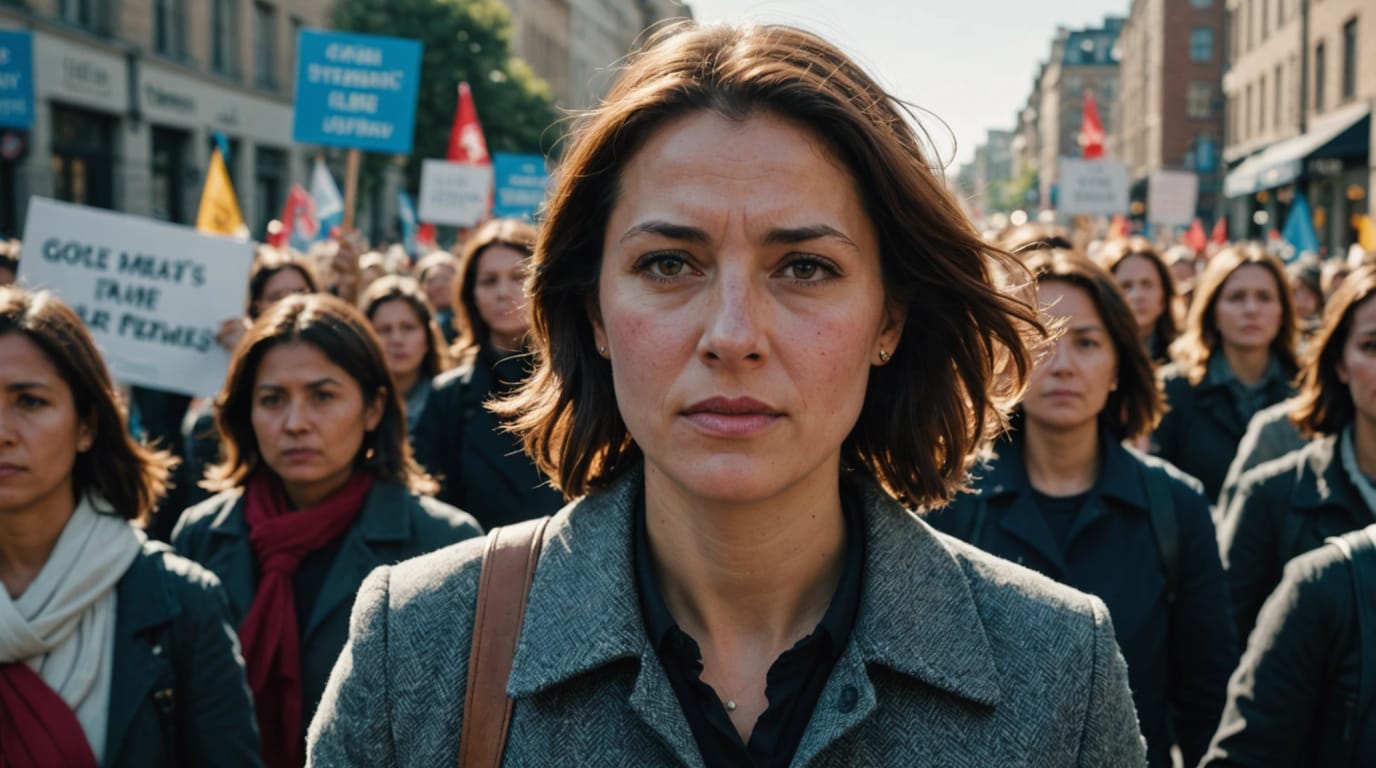
Thirty years after the landmark Beijing Declaration and Platform for Action, a United Nations report reveals a concerning global trend: women's rights are increasingly under attack, coinciding with a weakening of democratic institutions worldwide. The report, released ahead of International Women's Day on March 8th, highlights a growing backlash against gender equality, with nearly one-quarter of governments reporting rollbacks on women's rights in the past year.
A Troubling Regression
The UN Women report, titled "Women's Rights in Review 30 Years After Beijing," paints a stark picture of the challenges facing women and girls globally. It indicates that instead of progress, misogyny is becoming increasingly mainstreamed in many societies. This regression is occurring despite some advancements made since the 1995 Beijing conference, including improvements in girls' education and a decrease in maternal mortality rates.
UN Secretary-General António Guterres emphasized the severity of the situation, stating, "When women and girls can rise, we all thrive. Yet, globally, women's human rights are under attack. Instead of mainstreaming equal rights, we're seeing the mainstreaming of misogyny."
The report identifies several factors contributing to this concerning trend, including:
- Weakening Democratic Institutions: The report explicitly links the erosion of democratic norms with the backlash against gender equality. "The weakening of democratic institutions has gone hand in hand with backlash on gender equality," the report states, adding that "anti-rights actors are actively undermining long-standing consensus on key women's rights issues."
- Rise of Anti-Rights Actors: These actors are actively working to undermine established agreements on women's rights, hindering the implementation of the Beijing Platform for Action.
- Global Crises: Events such as the COVID-19 pandemic, climate change, and armed conflicts exacerbate existing inequalities and create new threats to women's rights.
- Digital Technology: The spread of harmful stereotypes through digital platforms and the digital gender gap, which limits women's access to technology, further contribute to the problem.
Violence Against Women on the Rise
The report also highlights a disturbing increase in violence against women and girls. A woman or girl is killed by a partner or family member every 10 minutes. Conflict-related sexual violence has increased by 50% since 2022, with women and girls accounting for 95% of the victims. In 2023, 612 million women lived within 50 kilometers (31 miles) of armed conflict, a 54% increase since 2010. Furthermore, in 12 countries in Europe and Central Asia, over half of women have experienced some form of gender-based violence online.
Economic Disparities Persist
Despite some progress, significant gender disparities remain in the economic and political spheres. Women in the labor market still earn 20% less than men globally. As of 2024, only 26.8% of national parliamentarians were female, a slow increase from 11.3% in 1995. The UN also notes a concerning $360 billion annual gender gap by 2030. While the number of women with social protection benefits increased by a third between 2010 and 2023, two billion women and girls still lack such protections. Gender employment gaps have stagnated for decades, with only 63% of women between 25 and 54 having paid employment, compared to 92% of men in the same demographic.
The Beijing +30 Action Agenda
In response to these findings, UN Women has adopted a roadmap to accelerate progress toward gender equality by 2030. The roadmap calls for:
- Digital Revolution: Ensuring equal access to technology for all women and girls.
- Social Protections: Investing in social protections, including universal health care and quality education, to lift women out of poverty.
- Zero Violence: Implementing legislation to end violence against women and girls.
- Equal Decision-Making Power: Promoting equal decision-making power for women.
- Financing: Providing financing for gender-responsive humanitarian aid in conflicts and crises.
UN Women Executive Director Sima Bahous affirmed the agency's commitment to ensuring that all women and girls can fully enjoy their rights and freedoms.
Global Implications and the Way Forward
The UN report underscores the interconnectedness of democratic values and women's rights. The erosion of one inevitably leads to the weakening of the other. As democratic institutions weaken, women's rights become more vulnerable to attack, hindering progress toward a more just and equitable world.
The report calls for a renewed commitment to gender equality and women's empowerment. It urges governments, civil society organizations, and individuals to take action to reverse the current trends and create a world where all women and girls can thrive. This includes investing in women, ending poverty, implementing gender-responsive financing, shifting to a green economy and care society, and supporting feminist change-makers.
The UN Secretary-General has identified five key areas that need joint action to revert the trend: Investing in women, ending poverty, implementing gender-responsive financing, shifting to a green economy and care society and supporting feminist change-makers.
On International Women's Day, UN Women calls on everyone to stand up for Rights, Empowerment and Equality for ALL Women and Girls.


