World Cup 2026: A Global Spectacle Confronts Geopolitical Strife
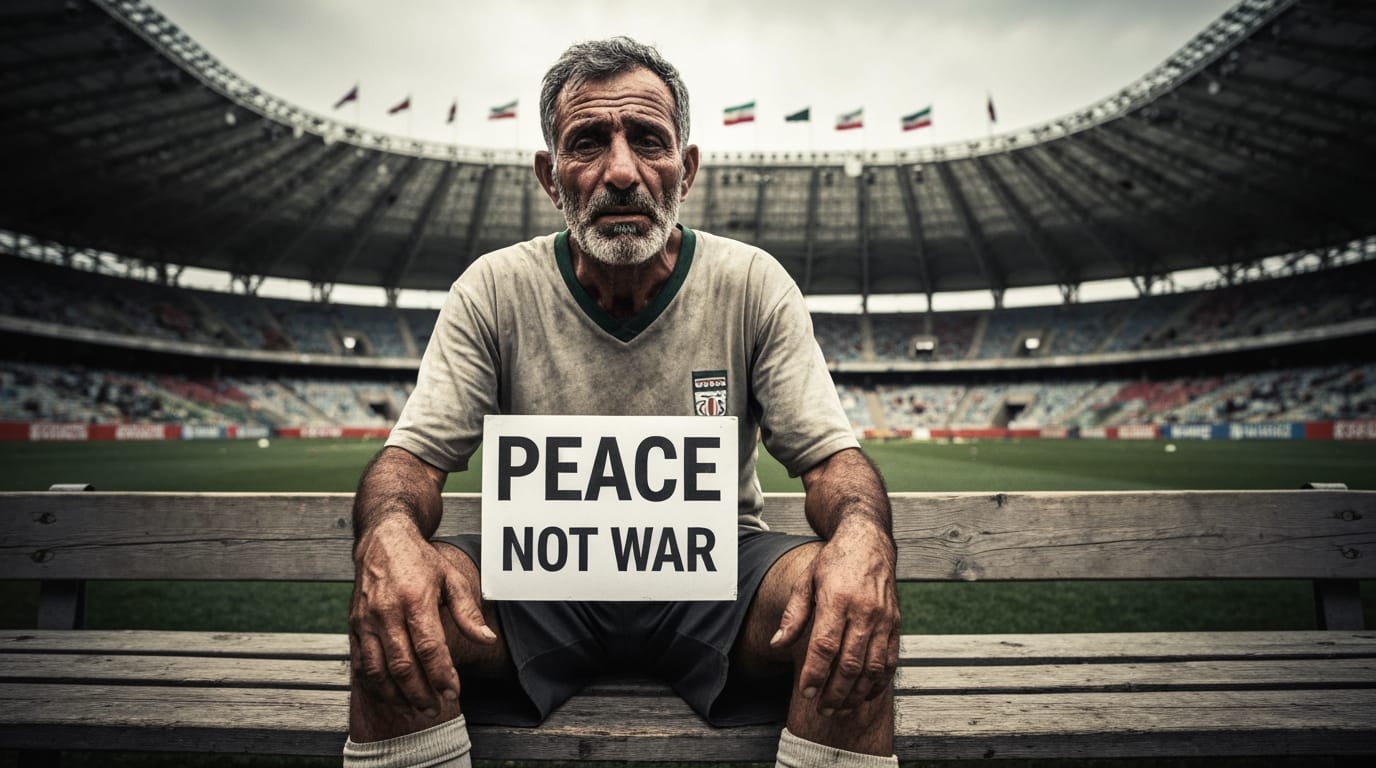
The summer of 2026 was poised to be a landmark moment in sporting history, as the FIFA World Cup expands to an unprecedented 48 teams across 16 cities in the United States, Canada, and Mexico. However, the unifying spirit of the world's most beloved tournament now faces an extraordinary ethical challenge, overshadowed by an active and escalating conflict between co-host United States and Iran. With the war entering its third week in mid-March 2026, the intersection of sport and geopolitics presents a complex dilemma for organizers, participating nations, and the millions of fans anticipating the global spectacle.
A Tournament Under a War Cloud
The 23rd FIFA World Cup, scheduled from June 11 to July 19, 2026, promises to be the largest iteration ever, featuring 104 matches and hosted across three North American nations. Mexico will become the first country to host or co-host the men's World Cup three times, while the United States hosts for the second time, and Canada for the first. Eleven U.S. cities, three in Mexico, and two in Canada are set to welcome teams and fans from around the globe. Yet, this vision of international camaraderie is now juxtaposed against a stark geopolitical reality. Since late February 2026, the United States, alongside Israel, has engaged in military strikes against Iran, initiating a conflict described as having broad regional and global implications. This ongoing warfare, which has seen the US bombing Iran, casts a long shadow over the preparatory stages of the tournament, particularly for the U.S. as a primary host nation.
FIFA's Ethical Tightrope: Sport vs. State
The most immediate and acute ethical challenge revolves around the participation of the Iranian national team. With the United States actively involved in military action against Iran, the question of Iran's team being allowed entry into a co-host nation at war with their country becomes paramount. Reports indicate that the fate of Iran's national team is uncertain, with speculation that the U.S. President could deny their entry, or that the team itself might refuse to play. Such a scenario would test FIFA's long-standing principle of separating sport from politics. The Fédération Internationale de Football Association (FIFA) statutes explicitly prohibit governmental interference in the affairs of its member associations and stress neutrality in political and religious matters. However, history shows that FIFA, despite its stated neutrality, has been compelled to act in response to significant political events, demonstrating the inherent difficulty in isolating sport from geopolitical realities.
Precedents and Uncharted Territory
Major sporting events have a history of being intertwined with political conflicts and controversies. The Olympic Games, in particular, have witnessed boycotts, protests, and bans directly stemming from international political tensions, such as the 1936 Berlin Olympics, the 1956 Melbourne Olympics amidst the Suez Crisis and Soviet invasion of Hungary, and the Cold War-era boycotts of the 1980 Moscow and 1984 Los Angeles Games. FIFA itself has imposed bans for political reasons, notably suspending South Africa for its apartheid policy and, more recently, Russian teams from competitions following the invasion of Ukraine.
However, the 2026 World Cup presents a largely unprecedented situation: a host nation actively engaged in a major international conflict at the time of the tournament. While teams have been banned from competing due to political conflicts or governmental interference, there is no precedent of a team being banned by a host country in a World Cup specifically because of ongoing military action between the two nations. This directly challenges the ethical frameworks governing international sports and raises critical questions about athlete safety, fan security, and the integrity of the competition itself. The presence of the conflict could lead to heightened security concerns, visa complications for various delegations, and potentially calls for boycotts or protests from other participating nations or fan groups.
Geopolitical Fallout and the Spirit of Sport
The US-Iran conflict has already generated significant global instability, impacting energy markets, realigning international alliances, and creating rifts among Western powers. The prospect of hosting a unifying global event like the World Cup amidst such a volatile international backdrop poses profound questions about the tournament's ability to live up to its ideals. The spirit of sport, often heralded as a vehicle for peace and understanding, faces a severe test when a primary host is a direct combatant in an active war. The ethical considerations extend beyond mere logistics to the very essence of what the World Cup represents – a celebration of diverse cultures and shared passion, traditionally set aside from the daily grind of international politics.
The international community, sports organizations, and human rights advocates will undoubtedly be scrutinizing FIFA's response and the measures taken by the host nations to navigate this complex ethical landscape. Balancing the pursuit of a successful tournament with the moral imperative to address the realities of a global conflict will be a defining challenge for the 2026 FIFA World Cup.
Conclusion
As the 2026 FIFA World Cup draws nearer, the shadow of the ongoing US-Iran conflict transforms what was anticipated to be a celebration of expanded global football into an unparalleled ethical and logistical conundrum. The tournament's organizers, particularly FIFA and the host nations, are confronted with the formidable task of upholding the integrity and unifying spirit of the sport amidst significant geopolitical turmoil. The decisions made in the coming months regarding team participation, security, and the overall management of the event will not only shape the narrative of the 2026 World Cup but also set significant precedents for the future relationship between international sport and global politics. The world watches, not just for the beautiful game, but for how the "ethical tipping point" of war will redefine the very essence of global sporting camaraderie.