World Cup Dreams Under Threat: African Fans Face U.S. Travel Restrictions Ahead of 2026 Tournament
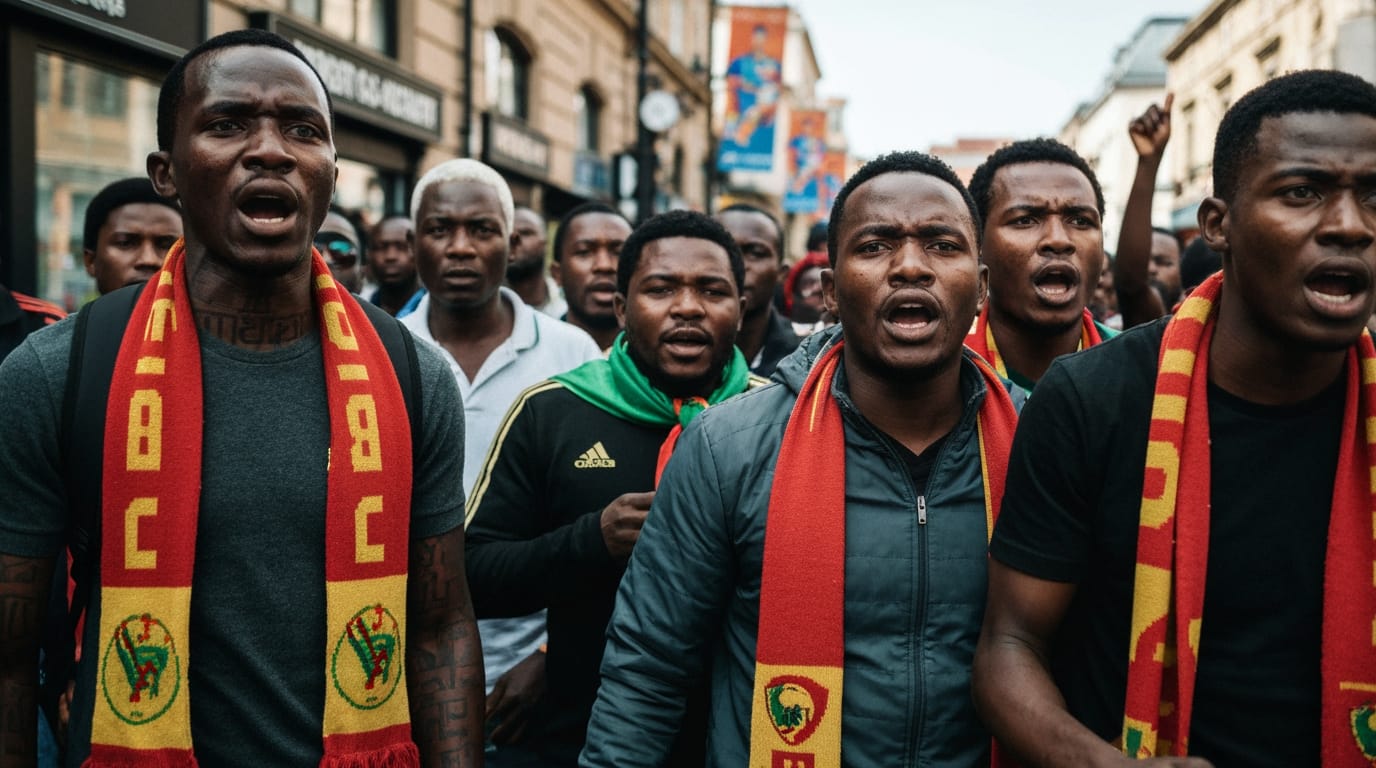
A shadow has been cast over the eagerly anticipated 2026 FIFA World Cup, co-hosted by the United States, Canada, and Mexico, as an expanded U.S. travel policy has left legions of African football fans grappling with uncertainty and profound disappointment. The U.S. administration's recent measures, citing national security concerns, threaten to bar many passionate supporters from witnessing their national teams compete on football's grandest stage, provoking widespread anger across the continent.
The controversy stems from an expanded U.S. entry restriction policy, announced in December by the Trump administration, which imposed full or partial travel limitations on citizens from dozens of countries, a significant number of them African nations. While exemptions exist for players and team officials, the status of ordinary fans seeking tourist visas has become a major point of contention. This development has triggered a wave of dismay among fan bases, particularly in countries like Senegal and Côte d'Ivoire, whose teams are slated to participate in the expanded 48-team tournament.
The Looming Barrier: A Policy's Far Reach
The U.S. administration's policy, enacted with stated aims of addressing "screening and vetting deficiencies" and enhancing public safety, has created a complex and, for many, an insurmountable hurdle. Citizens from Burkina Faso, Mali, Niger, and South Sudan face full travel bans, while those from Angola, Benin, Côte d'Ivoire, Gabon, The Gambia, Malawi, Mauritania, Nigeria, Senegal, Tanzania, Zambia, and Zimbabwe are subject to partial restrictions. These partial restrictions entail increased scrutiny on specific visa categories, including tourist and business travel, which are essential for fans planning to attend the World Cup. The timing of this policy, just months before the tournament kicks off in June 2026, has ignited a firestorm of criticism and confusion.
Voices from the Stands: Disappointment and Defiance
The human element of this policy shift is palpable in the reactions of African fans. Djibril Gueye, a fervent Senegal supporter, articulated a widely held sentiment: "It's up to the United States to provide the conditions, the means, and the resources to allow the qualified countries so everyone can go and support their team." He questioned the rationale of a host nation if it cannot guarantee entry for all participating nations' supporters. Fatou Diedhiou, president of a group of female Senegal fans, expressed the collective anxiety, stating, "We really want to participate but we don't know how... Now we just wait because the World Cup isn't here yet, maybe they'll change their minds." Another dedicated fan, Sheikh Sy, who supported Senegal at the last World Cup in Qatar, affirmed his determination to find a way to the U.S., emphasizing, "We've travelled everywhere with our team because we are the national fans of Senegal... So, since Senegal has qualified for the World Cup, we absolutely have to go." These sentiments underscore the deep personal investment fans make in following their teams, viewing the World Cup not just as a series of matches, but as a global festival of unity and passion.
Navigating the Nuances of Policy: A Conflicting Narrative
Amidst the outcry, both FIFA and the U.S. government have attempted to clarify the scope of the travel restrictions, albeit with somewhat conflicting messaging. The U.S. State Department and FIFA initially stated that the ban primarily targets immigrant visas and would not affect tourist visas (B-1/B-2) typically sought by World Cup spectators. A FIFA spokesperson reportedly assured that "African fans and supporters of all qualified teams will be able to apply for their visas as previously communicated" and that FIFA is "working closely with US authorities to ensure fans can attend matches without unnecessary barriers."
However, this clarification has done little to fully allay fears. While the explicit language of an "immigrant visa ban" might suggest tourist visas are safe, the "partial restrictions" on numerous African countries still imply increased scrutiny for tourist and business travel. This means that even if not outright banned, fans from these nations could face significantly tougher application processes, longer waiting times, and a higher likelihood of denial, effectively creating a de facto barrier to entry. Immigration experts noted that while the exemption applies to athletes and accredited officials involved in major sporting events, it does not extend to spectators or media representatives unless they qualify under separate visa categories. This ongoing ambiguity leaves many fans in a precarious position, caught between official assurances and the practical realities of enhanced visa vetting.
Broader Implications and Future Concerns
The ramifications of these travel restrictions extend beyond individual disappointment, touching upon the very spirit of the World Cup. Football is widely regarded as a unifying force, and the exclusion of passionate fan bases runs counter to this global ethos. The 2026 tournament is set to be the largest in history, with an expanded 48-team format, including a record nine African nations. Denying their supporters access not only diminishes the vibrancy of the event but also raises questions about equity and inclusivity in global sports. Beyond the emotional toll, fans face significant financial hurdles, with ticket costs already being a deterrent for many. The added uncertainty of visa approvals further complicates their ability to plan and invest in travel, potentially resulting in substantial losses if their applications are ultimately rejected. Critics argue that such policies undermine the collaborative spirit required for a truly global sporting event, particularly when the host nation itself champions the idea of bringing the world together.
In conclusion, as the 2026 FIFA World Cup draws nearer, the United States' expanded travel restrictions have created a deeply unsettling situation for countless African football fans. Despite attempts by officials to clarify the policy, the lingering complexities surrounding tourist visa applications for nations under "partial restrictions" continue to fuel frustration and a sense of injustice. The dilemma highlights a tension between national security imperatives and the unifying ideals of international sporting events, leaving many African supporters in limbo, their dreams of cheering on their teams shrouded in uncertainty.