World's Priceless Heritage Under Unprecedented Threat as Climate Change Intensifies
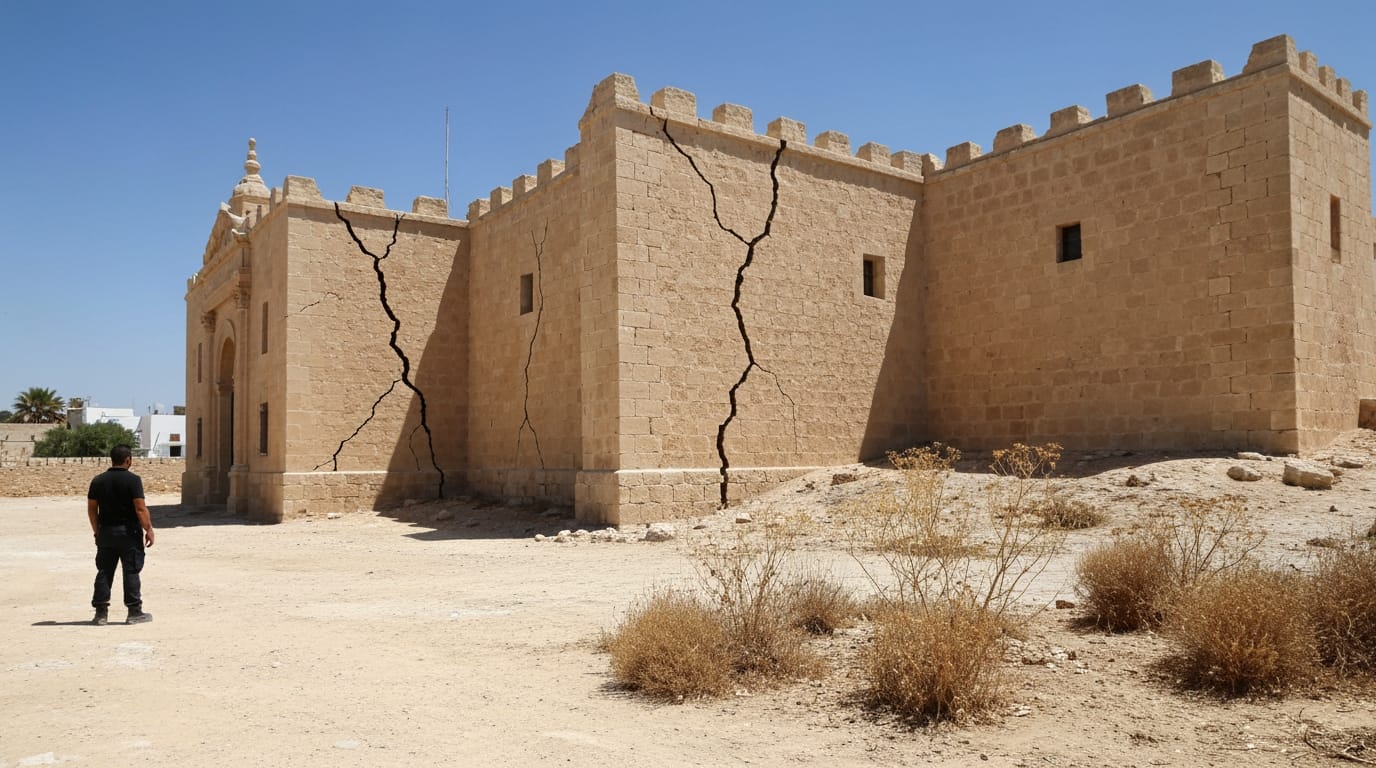
The world's iconic cultural and natural World Heritage sites, revered for their outstanding universal value, are confronting an escalating array of threats, primarily driven by the deepening climate crisis. From ancient temples to vibrant coral reefs, these irreplaceable treasures face accelerated degradation from rising sea levels, extreme weather events, and intensifying temperatures, posing a profound challenge to global preservation efforts and the communities that depend on them.
A recent global assessment underscores the alarming scope of the crisis, revealing that a staggering 80% of UNESCO World Cultural Heritage sites are currently experiencing climate stress. This stress manifests in various forms, with nearly one in five sites constructed from vulnerable materials such as stone and wood particularly susceptible to the impacts of extreme heat, humidity, and aridity. The imperative to safeguard these sites, which harbor over 20% of the planet's biodiversity and protect countless endangered species, has never been more urgent.
The Escalating Climate Onslaught
The direct impacts of climate change on World Heritage properties are multifaceted and increasingly severe. Water-related hazards stand out as a pervasive threat. Approximately one-third of World Heritage cities are located in coastal areas, rendering them acutely vulnerable to coastal erosion and rising sea levels. The Mediterranean region, for instance, has seen 60% of its cultural World Heritage properties already reporting risks from coastal flooding and erosion. Beyond coastlines, nearly three-quarters of all non-marine UNESCO sites (73%) contend with at least one severe water risk, including drought, river flooding, or water scarcity. Events like the 2022 flood that closed Yellowstone National Park and caused over $20 million in infrastructure damage illustrate the immediate and costly consequences. In India, the Taj Mahal grapples with increasing water scarcity, leading to pollution and groundwater depletion that damage the mausoleum.
Concurrently, extreme temperatures are taking their toll. Scientists project that under the highest emission scenarios, virtually all natural World Heritage sites could face extreme heat exposure by the end of the century. In tropical and subtropical regions, high heat combines with humidity and heavy rainfall to trigger secondary effects, such as invasive plant roots and termite activity, which can undermine the structural integrity of ancient stone and wooden constructions like Angkor in Cambodia or Indonesia's Borobudur Temples. The increase in frequency and intensity of extreme weather events, including storms, cyclones, and wildfires, further exacerbates the vulnerability of these sites, threatening their physical existence and the ecosystems they sustain.
Iconic Sites on the Brink
The list of threatened sites spans the globe, encompassing both natural wonders and architectural marvels. The Great Barrier Reef, a natural World Heritage site, continues to suffer severe coral bleaching due to changing ocean conditions. Venice, Italy, renowned for its historic architecture, is sinking due to a combination of natural geological processes and human-induced factors, with rising sea levels worsening flooding and damaging infrastructure. The ancient city of Chan Chan in Peru, with its delicate adobe walls, faces a high risk of river flooding. Even the Great Wall of China and the ancient city of Petra in Jordan are experiencing climate-induced stress.
In India, several iconic sites are projected to be at risk within the next three decades, including Khangchendzonga National Park, the Sun Temple in Konark, Keoladeo National Park, Sundarbans National Park, and the Churches and Convents of Goa, all facing various climate impacts such as flooding, coastal erosion, and wind-based hazards. These examples underscore that no site, regardless of its grandeur or resilience, is immune to the overarching environmental shifts.
Beyond Climate: A Web of Threats
While climate change stands as the predominant threat, World Heritage sites contend with a confluence of other human-induced pressures. Rapid urbanization and unchecked development pose significant risks, particularly in Asia, where the expansion of cities often encroaches upon and compromises historic landscapes and structures. Overtourism, while an economic boon, simultaneously contributes to degradation through physical damage, overcrowding, and strain on local infrastructure and resources. Destinations like Venice exemplify the dual challenge of environmental threats and the wear-and-tear caused by millions of visitors.
Furthermore, armed conflicts and crises have devastated cultural heritage in regions such as the Middle East and North Africa. The Ancient City of Aleppo in Syria, for instance, has suffered extensive damage and neglect due to ongoing civil war, with its historic buildings impacted by military actions and looting. These compounded threats highlight the complex nature of heritage preservation, demanding integrated and localized solutions.
The Global Call to Action and the Road Ahead
Recognizing the immense stakes, international bodies, governments, and local communities are mobilizing to confront these challenges. UNESCO, through its World Heritage Committee, plays a crucial role in building capacity among member states, developing adaptation measures, and fostering disaster risk management strategies. The "List of World Heritage in Danger" serves as a critical mechanism to draw international attention and allocate resources to sites facing acute threats, often prompting effective conservation actions. Successful initiatives, such as the efforts in Manas National Park, India, where rhinos have been reintroduced and protected after severe decline, demonstrate the tangible benefits of focused conservation.
The urgency of the situation necessitates global cooperation. There is a recognized need to prioritize World Heritage sites in national biodiversity strategies and action plans. UNESCO has committed to training all World Heritage site managers in climate change adaptation strategies by 2025 and aims for all sites to have comprehensive climate adaptation plans in place by 2029. However, a significant "Global North-South divide" exists in heritage conservation, as nations in the Global South often lack the necessary resources to protect their cultural assets, emphasizing the critical need for collective international support.
The degradation of these sites represents not only a loss of historical and natural beauty but also a profound undermining of cultural identity, scientific knowledge, and local economies reliant on heritage tourism. The "clock is ticking" for sustained, impactful action to mitigate climate change and implement robust conservation strategies. Preserving these universal treasures demands a coordinated global effort, ensuring that future generations can continue to learn from and be inspired by the Earth's most exceptional places.